
THE APEX TIMES
Retired Bears lineman Kyle Long opens up on mental health advocacy, including night terrors
In a new long-form feature posted by the Minnesota Vikings, retired offensive lineman Kyle Long describes how night terrors and mental health challenges reshaped his life and what he wants others to know about getting help.
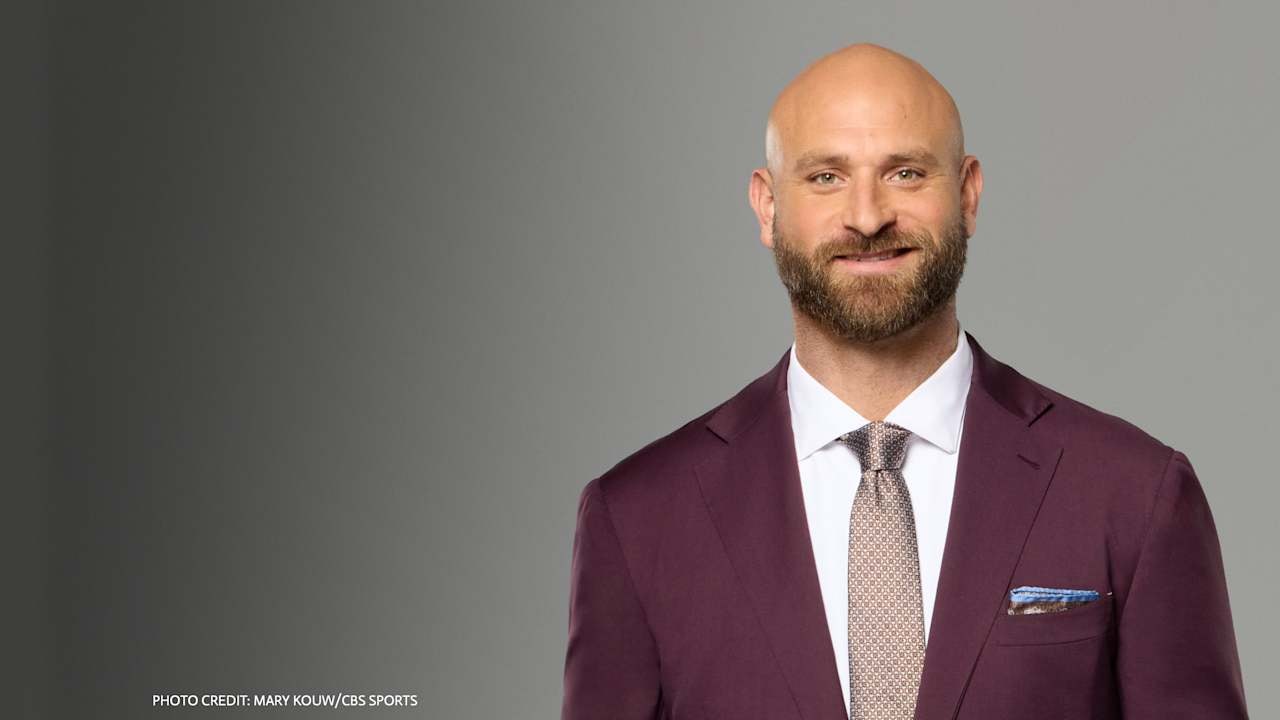
Kyle Long has built a public identity around football, but his latest work is aimed at something larger than the game. The retired Bears lineman, now the subject of a Minnesota Vikings long-form feature, is using his platform to talk more openly about mental health, including experiences tied to night terrors.
In the piece, Long discusses how sleep-related episodes can feel disruptive and frightening, describing waking up more than once in the throes of a night terror. The personal framing matters in the NFL context because sleep and mental health challenges are often kept private, even as they can affect day-to-day functioning, recovery, and performance preparation.
Long’s decision to speak publicly also reflects a broader shift in professional sports, where mental health is increasingly treated as health, not a weakness. For athletes who spend years under the expectation to endure, the barrier to discussing distress can be especially high. When a former offensive lineman known for durability and grit talks directly about fear, panic-like sensations, and the need for support, it challenges that old model of silence.
The Vikings publishing the feature is notable for another reason: it positions mental health advocacy not as a one-off charity theme, but as part of football’s everyday human story. Teams and leagues have in recent years increased attention to wellbeing initiatives and behavioral health resources, but the strongest public impact often comes when recognizable players connect those resources to real moments in their own lives.
Long’s football background also shapes the tone. Offensive linemen operate in close-quarters, high-contact environments where physical toughness is valued and emotional disclosure is rarely routine. Long’s willingness to describe night terrors in plain terms can resonate with current players and fans because it treats mental health symptoms as something that can happen to anyone, not as an exception reserved for other people’s lives.
As with any personal account, readers should keep in mind that Long’s story is not a medical diagnosis or a substitute for professional care. Still, the practical takeaway is clear: seeking help, naming what is happening, and talking about it earlier can be steps toward better outcomes, whether the issue is sleep disruption, anxiety, or broader mental wellbeing.
What to watch next is whether more current NFL players and team platforms follow the lead of veteran voices like Long, continuing to normalize conversations about mental health and sleep. In a league where offseason training, travel, and game-week pressure all influence recovery, sustained cultural change can matter as much as any new policy.
Why It Matters
- A public account from a recognizable former NFL lineman can reduce stigma around mental health symptoms, especially sleep-related distress.
- Sleep and mental wellbeing affect recovery and readiness, making the conversation relevant to performance even when the topic is not football itself.
- Team platforms elevating player voices can help normalize help-seeking as part of professional athlete life.
- Long’s focus on night terrors highlights a less-discussed category of mental health that many fans may not associate with athlete wellbeing.
Key Facts
- Kyle Long, a retired offensive lineman who previously played for the Chicago Bears, is featured in a Minnesota Vikings long-form story about mental health advocacy.
- The feature describes Long waking up more than once while experiencing night terrors.
- The story is published as part of a broader “Getting Open” style long-form segment.
- Long’s discussion centers on how mental health challenges can show up in everyday life, including during sleep.