
THE APEX TIMES
Revisiting 2024’s Carlos Estévez deadline deal, and what it says about building a contender
An MLB trade-deadline reflection looks back at the logic and fallout of the Carlos Estévez move, using the Phillies- and Angels-adjacent cast as a lens on roster construction, bullpen value, and the volatility of midseason decisions.
There are trades that change a team’s season in a single week, and there are trades that change the way a team thinks. A recent Yahoo Sports conversation, framed around a question of whether you “make the Carlos Estévez trade again,” revisits the 2024 trade-deadline decision and tests it against the baseball that followed. The premise is simple, and the implications are not, because Estévez was a bullpen piece whose value is measured in leverage and reliability, not innings or highlight reels.
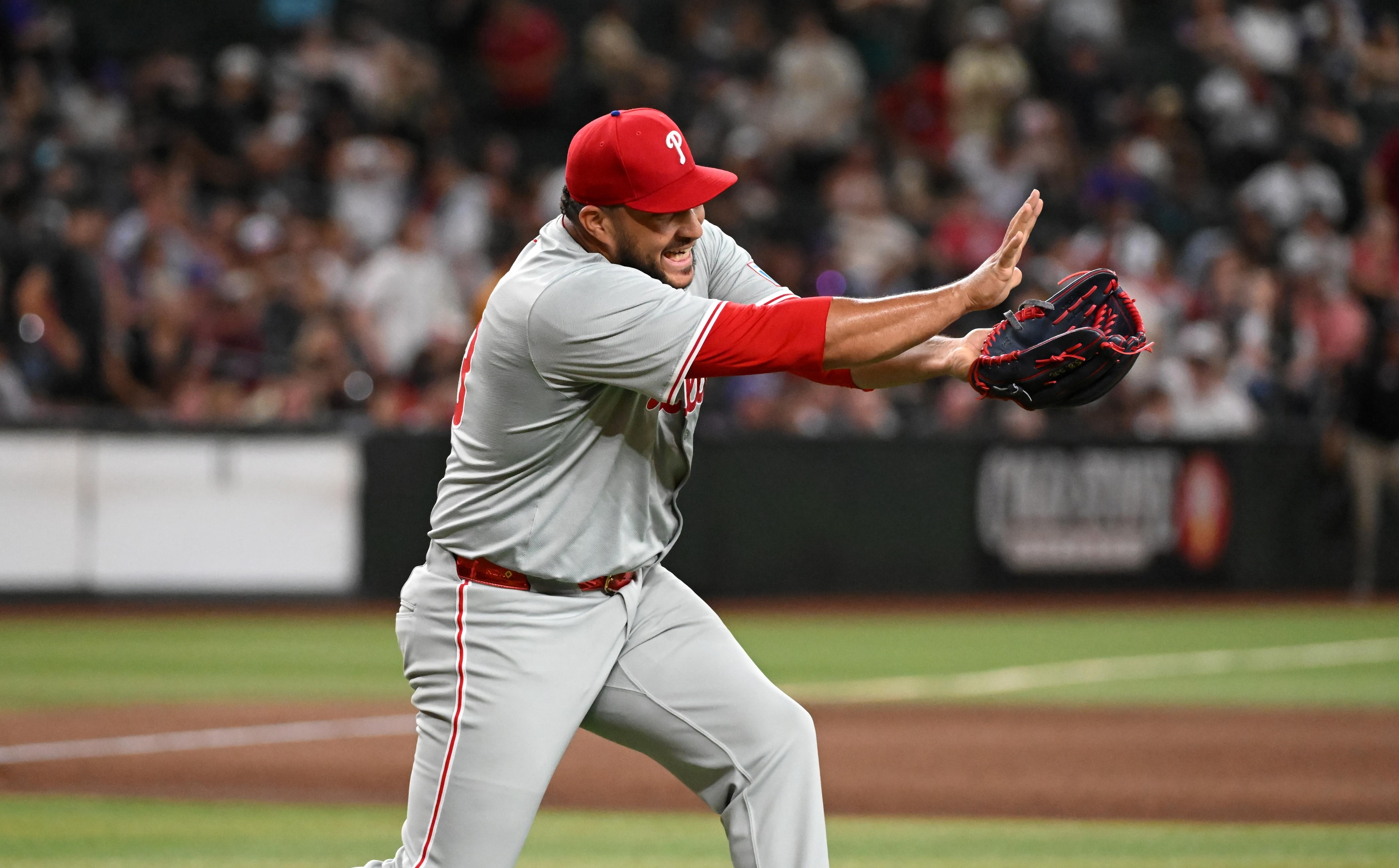
The timing matters. The discussion points to the summer of 2024 as a period when the Angels and their roster construction choices were fresh, and when the Phillies were already in the orbit of the deadline shuffle that defined the sport that year. In that context, the piece uses the Phillies’ presence on the schedule as an excuse to time-travel to the kinds of conversations contenders have at the trade deadline: how much to pay for bullpen stability, how to weigh near-term wins against development, and whether the move solves the right problem.
The reflection also leans into the personnel churn that deadlines produce. It references Johan Rojas and Christian Pache as center-field platoon options before Pache was dealt to Baltimore, illustrating how quickly a team’s “everyday” plans can become a trade chip once the season enters its final act. That is the practical risk of deadline decision-making: players who look like role solutions in June can become roster punctuation by August.
On the Angels side of the mental exercise, the Estévez trade is presented as the sort of move teams often debate in public, but that executives must defend internally. Estévez, as framed by the article title, is the centerpiece of the reassessment, meaning the central question is not whether teams make trades. It is whether this one aligned with a contender’s needs, and whether the opportunity cost was worth it when viewed against what other teams were doing with the players and positions in the surrounding orbit.
The article’s framing also nods to how minor-league logistics and positional depth can look inevitable on paper and then turn strange in real life. It mentions Jeff Hoffman and the idea of “Miguel Rojas” in the background of the conversation, indicating how players can become linked in fans’ minds even when the direct transaction trail is complicated. That matters because it reminds readers that deadline deals do not occur in isolation. They happen inside a larger market, where multiple teams are competing for similar levers.
Still, the debate has limits, and readers should treat it as a retrospective question rather than a verdict. With no official recap of results or transaction documentation included in the visible excerpt, it is best understood as an evaluation of process and team-building philosophy rather than a precise accounting of every outcome from the 2024 deadline.
So what to watch next is less about one trade matching or unmatching a scoreboard outcome, and more about how teams keep using the bullpen market. If the central lesson of the Estévez debate is that late-inning leverage is the currency of October, then contenders will continue to stress-test whether the next bullpen acquisition is “repeatable,” even when the roster ripple effects are hard to predict. For fans, the question is the point: would you do it again, knowing what you know now, and knowing that baseball rarely gives clean answers?
For the Phillies and Angels, the weekend backdrop described in the Yahoo setup adds a human layer to the analysis. Schedule matchups turn abstract roster-building arguments into something tangible, where the same organizations you remember from a deadline can feel closer to the players and decisions you associate with that era. The trade-deadline market will keep moving, but the underlying debate about value, timing, and opportunity cost is one teams will keep reliving, until they find a version of “again” that feels right.
Why It Matters
- Bullpen acquisitions at the trade deadline can swing playoff odds, making the “repeatability” of a deal an enduring organizational test.
- Deadline trades create roster volatility, turning role players and platoon pieces into moving parts across multiple teams.
- The discussion highlights how minor positional depth and future lineup plans are often reshaped quickly by midseason market pressure.
- Viewing transactions through a question-and-answer lens helps explain why even successful teams re-evaluate their trade logic after the fact.
Key Facts
- A Yahoo Sports piece revisits the 2024 trade-deadline decision centered on Carlos Estévez and frames the question as whether you would make the trade again.
- The article’s framing connects the Estévez deadline discussion to a Phillies- and Angels-related weekend matchup.
- The discussion references Johan Rojas and Christian Pache as center-field platoon options at the time, and notes that Pache was later dealt to Baltimore.
- The Yahoo excerpt also references Jeff Hoffman and Miguel Rojas in the broader deadline-era context.
- The piece is written as a retrospective discussion of roster-building choices, not as a point-by-point transaction recap in the provided material.