
THE APEX TIMES
Robert Gasser’s boost, and why starting pitching matters more in a best-of-seven NLCS
Milwaukee’s streaking starter has become a focal point as the National League Championship Series shifts the strategic balance toward starting pitching against the Los Angeles Dodgers.
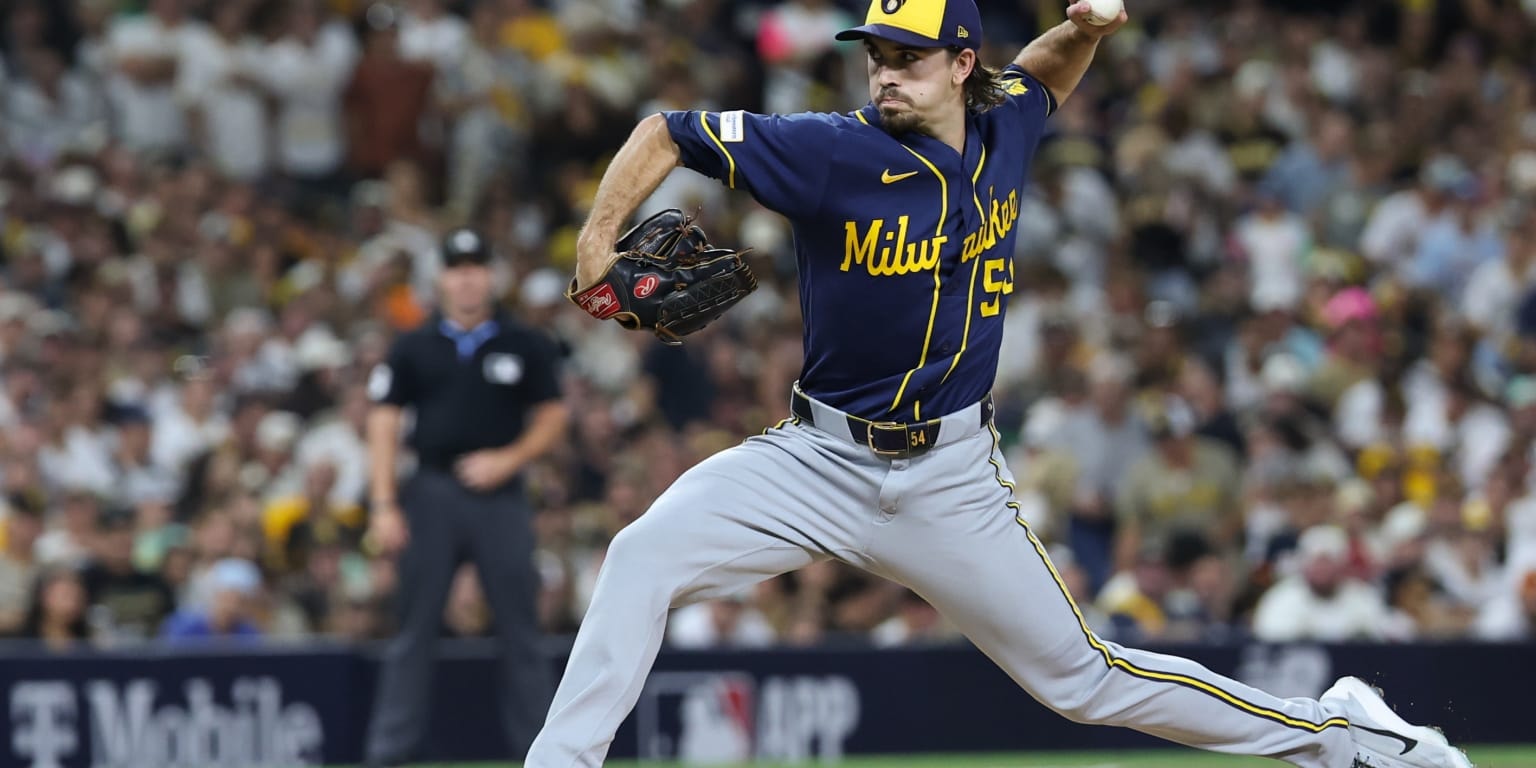
The National League Championship Series against the Los Angeles Dodgers is a different kind of test than a best-of-five matchup, and Milwaukee’s Robert Gasser is being treated as one of the key beneficiaries of that change. In an feature, the emphasis is clear: when a series stretches to a best-of-seven format, the value of the starting rotation rises, and confidence from a hot run can be just as important as raw execution.
For the Brewers, the argument is not that one pitcher fixes everything. It is that the longer margin of error in a best-of-seven puts more plate appearances and more innings in the hands of starters, which forces opponents to plan deeper. That is especially relevant against the Dodgers, a lineup built to punish mistakes and to extend at-bats until a pitcher’s command gives out.
Gasser’s “dominant run” has been positioned as the kind of form that changes how a manager sets the rotation day to day. ’s write-up centers on a confidence component, describing how the right-hander’s recent stretch provided him with the belief needed to keep his preparation in sync with the moment. In postseason baseball, that mental sharpness can look like steadier pitching patterns, quicker recoveries after traffic, and less overthinking when the first inning does not go perfectly.
The Brewers’ situation is also shaped by what best-of-seven baseball does to bullpen usage and late-inning planning. Even without detailing specific outings or workloads, the basic postseason logic remains: more games means more opportunities for both teams to lean on starters, and it also means managers can be more deliberate about when to bring in relievers. That can be a strategic advantage for a club that believes it can get meaningful innings from its top options rather than treating every start as a must-win sprint.
There is another layer to the “secret weapon” framing. A pitcher on a roll tends to become a reference point for the entire staff. As Gasser finds comfort in his approach, other Brewers starters and pitching coaches can adjust their game plans with more certainty about what that approach looks like when it is working. That matters in a matchup like the NLCS, where teams are forced to repeat scouting conclusions until the series either breaks open or tightens further.
Still, the postseason is not a lab experiment, and a feature story is not a box score. Confidence helps, but it does not guarantee results on any given night, particularly in a matchup against Los Angeles, where hitters can change the pacing of an inning through discipline and timely contact. The Brewers will need more than one strong outing, and the Dodgers will look to disrupt routines with aggressive baserunning and pitch selection that aims to turn small command issues into bigger counts.
What to watch next is how Milwaukee manages the rotation rhythm and how often it can convert Gasser’s momentum into run prevention at the start of games. In a best-of-seven, early innings matter because the series provides multiple chances for a pitcher’s effectiveness to become a pattern. If the Brewers can sustain that starting-pitching edge, the confidence described in the feature will feel less like a story beat and more like a structural advantage in the NLCS.
In the end, the theme is straightforward: format matters, and starting pitching becomes more central when a series offers more games to sort out who can execute their plan over time. With Gasser positioned as a driver of that advantage, Milwaukee’s postseason path may hinge on whether the confidence he built in the regular stretch holds up under the Dodgers’ relentless adjustments.
Why It Matters
- In a best-of-seven NLCS, starters get more influence over the series, making rotation management a strategic centerpiece rather than an afterthought.
- If a team’s top starters are pitching with confidence, it can affect how aggressively it uses relievers and when it chooses to prioritize matchups.
- A pitcher who is functioning as an “anchor” can help a staff maintain consistent planning across multiple games, even as opponents adjust.
Key Facts
- reported on Robert Gasser’s role for the Milwaukee Brewers during the NLCS against the Los Angeles Dodgers.
- The coverage highlights that the NLCS is a best-of-seven series, which increases the importance of starting pitching compared with a best-of-five format.
- The article frames Gasser’s current stretch as a “dominant run” that has boosted his confidence.
- The story connects starting-pitching confidence to how Milwaukee can plan longer and leverage its rotation more effectively in the series.