
THE APEX TIMES
Rockets’ Kevin Durant trade scenario grows as teams face looming deadline decisions
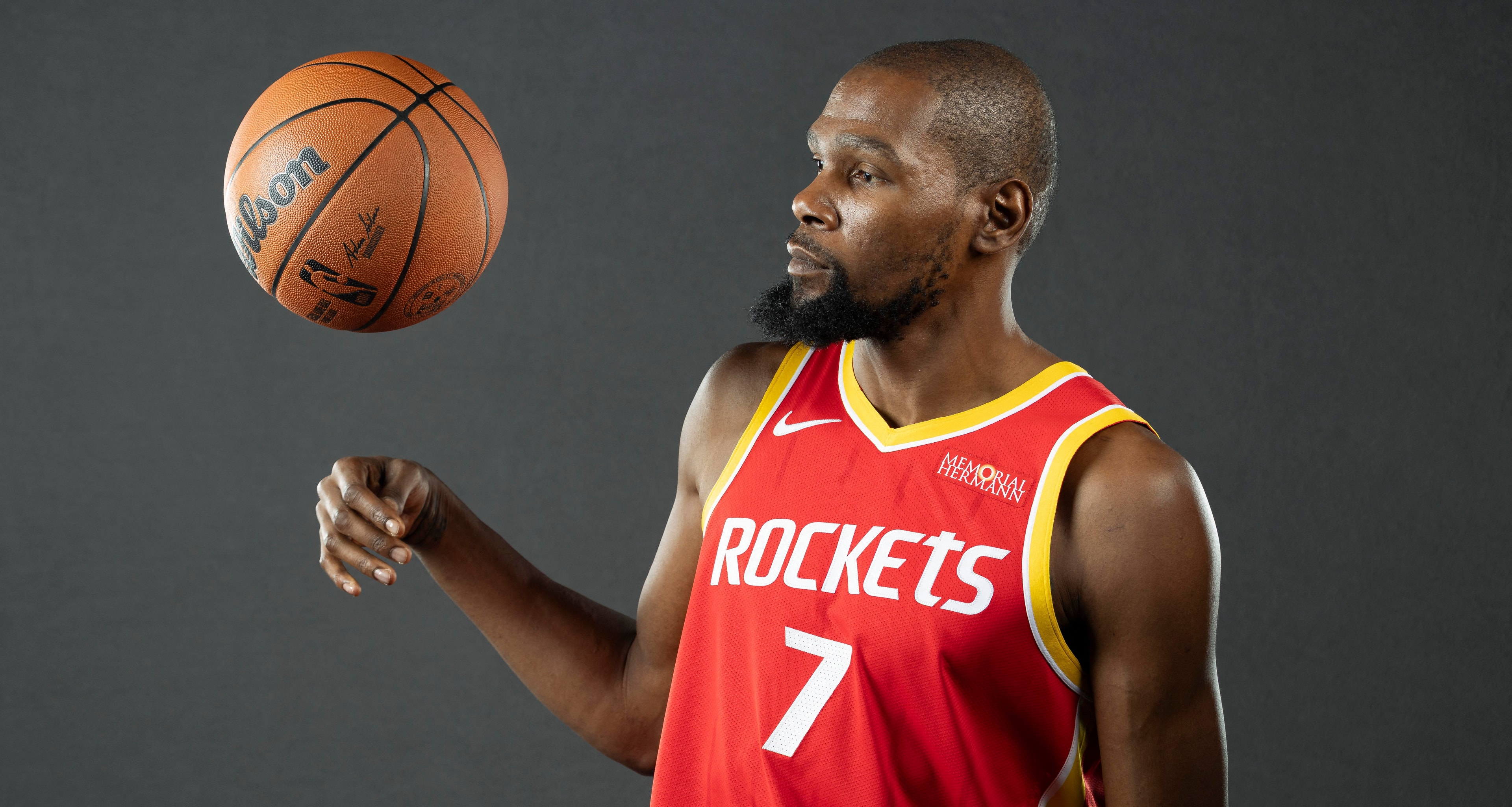
With the NBA season moving toward the trade deadline, Houston’s roster-building flexibility raises a familiar question: if results stall, could the Rockets explore a deal involving Kevin Durant?
The possibility of the Houston Rockets trading Kevin Durant is back in the discussion, framed around a common NBA dilemma that tightens as the calendar nears the trade deadline. In an offseason era where stars can change teams quickly and team-building strategies can pivot midseason, the question is less about whether a trade is possible and more about when it becomes rational for a team whose performance is not matching expectations.
Kevin Durant is the kind of player who, in most basketball conversations, represents the upper tier of trade value. But whether any team can pursue that value depends on more than talent. The NBA’s trade mechanics, salary matching constraints, and the contractual details that govern what can be moved and when all shape what is realistic. Even when the league’s rules are broad, practical limits still determine the shape of deals and how aggressively teams can act at the deadline.
From the Rockets’ perspective, the decision would likely come down to timing and competitive direction. If Houston’s season does not trend toward a playoff position or a clear upward trajectory, teams often evaluate whether to maintain flexibility for the future or to accelerate a present-tense rebuild into a sharper title-contending push. That is the core “difficult choice” described in the discussion of whether Durant could be on the move, tying roster decisions to the standings picture rather than to sentiment.
Equally important is that NBA team-building is rarely a single-needle event. A trade that centers on a star typically triggers a cascade of roster math, including the redistribution of minutes and the rebalancing of roles around a new centerpiece. For Houston, that would mean deciding not only whether Durant is attainable as a trade destination or target, but also what the Rockets would look like afterward: the types of complementary players needed, the defensive and offensive fit, and the kind of lineup stability the team can still build within the remaining months.
The league context matters as well. The NBA’s trade deadline environment tends to concentrate uncertainty and urgency. Teams that are buyers in one month can become sellers in the next if results diverge from internal plans. That dynamic is why star trade talk can surface even when there is no verified, immediate intent to transact. The mere existence of trade flexibility, in other words, can keep high-profile player questions circulating until the deadline passes and the team’s direction is forced to harden.
For fans, the most practical way to interpret this kind of scenario is to watch Houston’s positioning as the season progresses, then track the usual indicators that precede any major move. Those include changes in rotation emphasis, whether the team’s strategic identity becomes clearer under pressure, and whether front-office messaging shifts from development to results. Until there is confirmation of trade discussions or a finalized deal, the Durant question should be treated as a framing device for the Rockets’ potential pivot, not as an announcement of action.
What to watch next is the deadline window itself. If Houston’s performance forces leadership to weigh competing priorities, the trade market will tighten and the range of plausible outcomes will shrink. If the Rockets remain on a path that justifies a contender posture, star-centric trade speculation typically fades. If not, the trade deadline becomes the moment when the league’s “loose” overall roster-building flexibility meets the reality of what teams are willing to do.
Why It Matters
- A Durant-centered move would represent a major roster reconfiguration for Houston, impacting team identity and on-court structure.
- Whether Houston is a buyer or seller approach at the deadline can report the franchise’s competitive timeline and playoff intent.
- High-profile star trade talk can change how teams around the league prepare, including future trade leverage and negotiation posture.
Key Facts
- The discussion centers on whether the Houston Rockets could consider trading Kevin Durant if the season does not go well by the NBA trade deadline.
- The argument highlights that NBA team-building rules allow roster flexibility, but practical constraints still affect what trades are feasible.
- The scenario is framed as a potential midseason decision point tied to competitive direction rather than a confirmed transaction.