
THE APEX TIMES
Rockies and Giants meet again in NL West rubber match as Colorado looks to climb back toward fourth
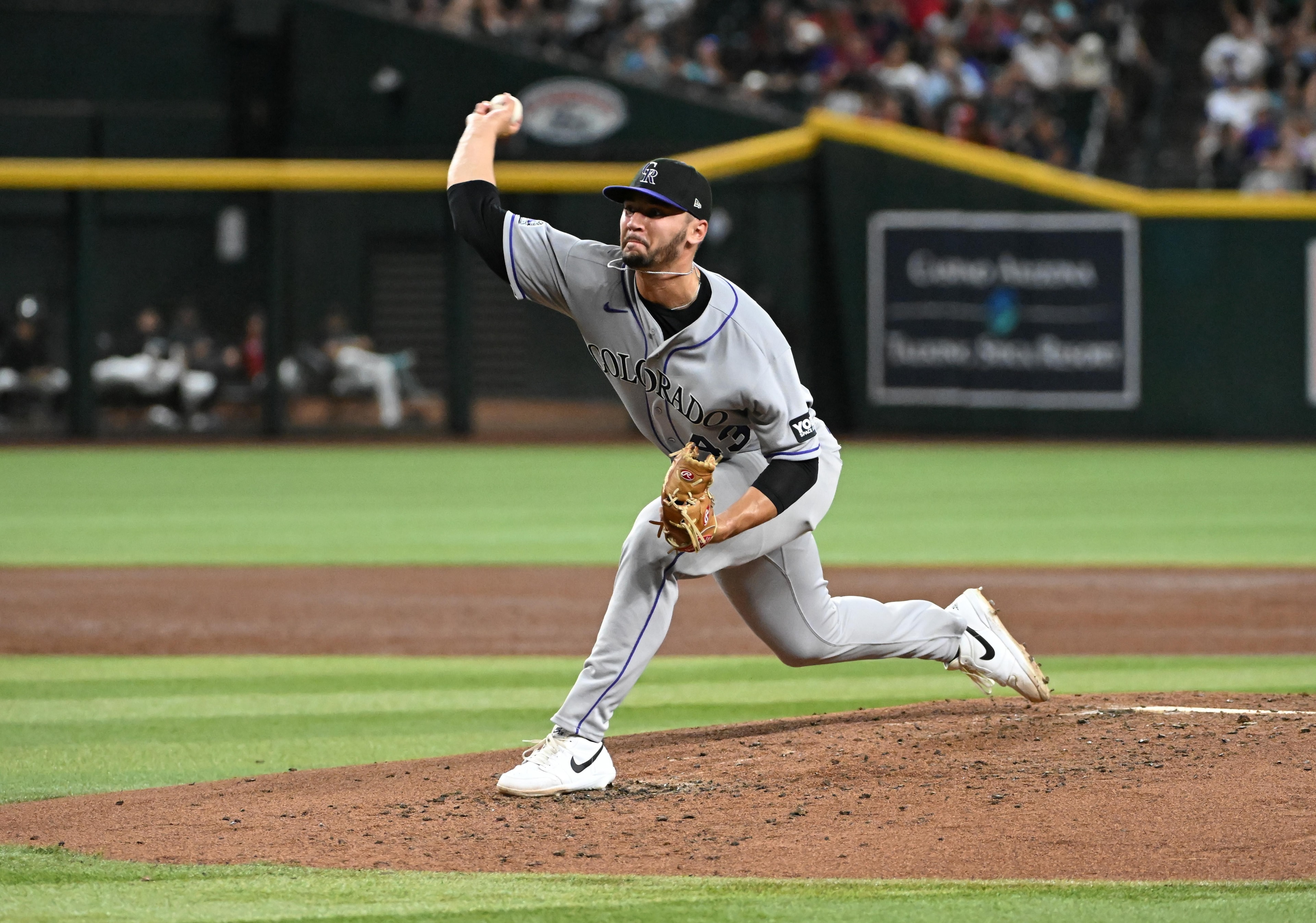
With both clubs still chasing positioning in the NL West, Sunday’s matchup pairs Colorado’s Gabriel Hughes against San Francisco’s Blade Tidwell as the Rockies attempt to keep their season from slipping into a total sprint for the offseason.
The Colorado Rockies and San Francisco Giants meet for the third time in the series in Sunday’s rubber match, a game that carries outsized importance for a Rockies club trying to stay within reach of the NL West’s current mid-pack. Colorado enters the day at 49-74, and the Giants sit at 51-72, two games ahead for fourth place in the division. Even if neither team is positioned for immediate October talk, that small gap matters for who finishes the year with the most momentum heading into next season.
The Rockies’ urgency is straightforward, they are operating from a deficit and every game against a division opponent changes the arithmetic. Clawing closer to San Francisco does not just affect standings, it also shapes how Colorado’s staff and lineup are used late in the schedule. When a club is within striking distance of a specific place in the division, the decisions around innings management, leverage at-bats, and late-game pitching can be more deliberate than in an out-of-contest scenario.
For the pitching matchup, Sunday’s game discussion centers on Colorado’s Gabriel Hughes facing San Francisco’s Blade Tidwell. A starter-versus-starter contrast like this is often where the difference-maker emerges, because the winning team typically forces the opponent to swing through counts rather than letting their lineup settle early. For a Rockies team still trying to avoid falling too far behind in division positioning, limiting big damage early is essential, especially against an opponent that can turn a single extra-base hit into multi-run innings.
The Giants, meanwhile, are not resting on their current edge. With Colorado two games back, San Francisco can afford to treat the rubber match as a chance to pull further clear of the logjam, while still leaning on the standard rhythm of an NL West division series. Tidwell’s outing also becomes a referendum on how effectively San Francisco can keep Colorado’s offense from stringing together extended rallies, because Rockies scoring often depends on whether opponents allow too many pitches per plate appearance.
How Hughes’ start goes will likely determine what Colorado can realistically do offensively. If Hughes can keep the ball in the strike zone and prevent the Giants from working into early counts, Colorado’s lineup will have a clearer path to manufacturing runs rather than chasing them. If he struggles, Colorado’s task becomes more difficult, because the game would move from a manageable deficit to one where the bullpen absorbs the majority of the stress. In late-season, standings-adjacent games, those swing points tend to be amplified.
There is also a broader context beyond the single contest. With both clubs separated by only a couple of games, Sunday’s result can affect the psychological edge that often follows a division series. If the Rockies win, they narrow the distance and keep the chase alive. If the Giants win, they strengthen the case that fourth place belongs to San Francisco as the season winds down.
The next thing to watch is whether the starters can give their teams a platform. For Colorado, that means Hughes competing through the middle innings while preserving the bullpen for a potentially decisive stretch. For San Francisco, it means Tidwell setting a tone that limits the Rockies to fewer clean looks. In a rubber match, there is little room for a slow start, because the margin created by an early inning is often the margin that decides the series.
At this stage, both teams are still sorting out how to finish the year with the right combination of evaluated performances and dependable late-game execution. Sunday’s game is not just another chapter in a divisional schedule, it is a concrete test of whether Colorado can keep staying within two games of the Giants for fourth place, or whether San Francisco will widen the gap and reduce the Rockies’ ability to catch up over their remaining slate.
Why It Matters
- Because the Rockies are only two games behind the Giants for fourth, each result directly affects late-season standings in the NL West.
- A division rubber match often influences managerial decisions on leverage and bullpen usage, particularly when standings are close.
- The Hughes-Tidwell pitching matchup can shape the series tone early, which is especially important for a club trying to stay within striking distance.
- How each team plays in the first two innings can determine whether the game becomes a controllable rally attempt or a prolonged deficit.
Key Facts
- Sunday’s game is a rubber match between the Colorado Rockies and San Francisco Giants.
- Colorado enters at 49-74, and San Francisco is 51-72.
- The Giants lead the Rockies by two games for fourth place in the NL West.
- The game discussion lists Gabriel Hughes for Colorado and Blade Tidwell for San Francisco as the featured pitching matchup.