
THE APEX TIMES
Rockies Reacts survey frames 2026 as a 100-loss watch, with fans split on how many wins are left
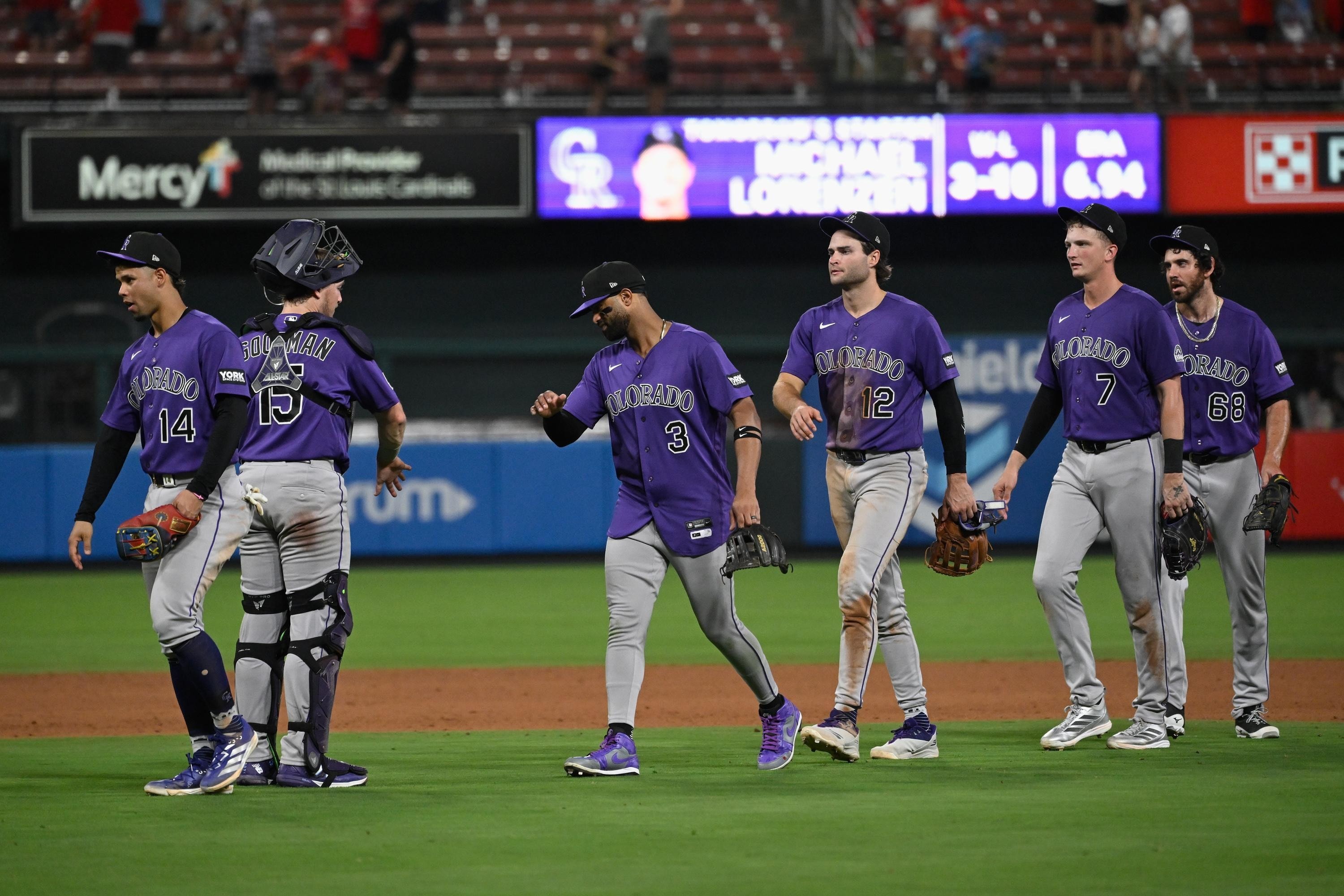
In an MLB SB Nation Reacts-style fan survey published by Yahoo Sports, Rockies supporters debated whether Colorado can add enough victories down the stretch to avoid a potential 100-loss season. The question is built around the math of the remaining schedule and how the club answers it.
Colorado’s 2026 season has reached a point where even conversations inside its own fan base are turning into a binary exercise. In a new Rockies-focused Reacts survey published by Yahoo Sports, the central prompt asks whether the Rockies can avoid losing 100 games, given the remaining slate and the possibility that the current trajectory could land near that mark.
The framing matters because “100 losses” is more than a headline number. In Major League Baseball, a season that deep into the 90s for defeats typically indicates a mix of roster limitations, inconsistency over months, and trouble both scoring and preventing runs across multiple pitching roles. It can also shape the stakes of the final weeks, from how much urgency fans place on the current product to how much attention the organization places on building plans for the next roster cycle.
According to the Yahoo Sports write-up, the survey’s core scheduling question is whether Colorado can reach 13 additional wins with its remaining schedule. The prompt is designed to test how likely fans believe the team is to swing enough results to move the loss total away from 100, rather than simply trading comfort for optimism.
The Reacts format, as described in the published piece, polls “the most plugged-in Rockies fans and fans across the country” over the course of the year. That approach does not measure clubhouse performance or official standings, but it does reflect how people who follow the team closely interpret what is happening on the field. In this case, fans are essentially debating whether the Rockies’ remaining games can deliver enough separation from a rough baseline.
Even without turning the survey into a standings projection, the question points to a real tension that often arrives late in an MLB schedule. Teams chasing a steep deficit typically have to do more than win a few close games. They need sustained run production, reliable middle-inning pitching, and defensive consistency, because small streaks can disappear quickly over the final month if results revert to the broader season pattern.
For Rockies followers, the “13 more wins” framing also suggests what to watch in the last stretch: whether Colorado can string together winning series rather than isolated days, and whether pitching matchups allow the offense to set the tone. If the club keeps winning low-to-moderate scoring games while also converting opportunities into runs, the path away from 100 losses becomes more plausible. If results remain heavily weighted toward defeats, the loss number can solidify regardless of short-term effort.
At the same time, it is important not to treat a fan poll as evidence of outcomes. This survey captures belief and expectation, not the club’s measurable probability. The most concrete indicator will be the team’s results game to game as the remaining schedule is played out, particularly how often Colorado can reset after tough losses.
For now, the story is about perception as much as it is about baseball. With fans focused on whether 100 losses is avoidable, the final weeks in 2026 become a referendum on momentum and execution, not just a calendar ending. Whether the Rockies can generate enough wins to change the narrative will determine how that debate closes.
Why It Matters
- Avoiding 100 losses is a major late-season narrative marker in MLB and usually corresponds with a sharper profile of results across the season.
- The remaining-schedule question raises the practical bar for the Rockies, because it implies a need for sustained success rather than a few isolated wins.
- Fan expectations can influence how supporters process the club’s urgency in the final weeks, including emphasis on near-term performance.
- Late-season outcomes typically shape organizational attention, from evaluating current roster components to planning the next phase of team-building.
Key Facts
- Yahoo Sports published a Rockies-focused SB Nation Reacts survey asking whether the Rockies will lose 100 games in 2026.
- The survey prompt centers on whether Colorado can earn 13 more wins with its remaining schedule.
- The piece describes the Reacts format as a recurring fan survey across the MLB, including Rockies-focused and widely distributed supporters.
- The survey topic is tied to late-season scheduling math and how fans interpret the team’s trajectory.