
THE APEX TIMES
Roger Craig discloses vascular dementia diagnosis in Pro Football Hall of Fame speech
The former Nebraska standout and San Francisco 49ers running back, inducted into the Hall of Fame this weekend in Canton, Ohio, said he has been diagnosed with vascular dementia.
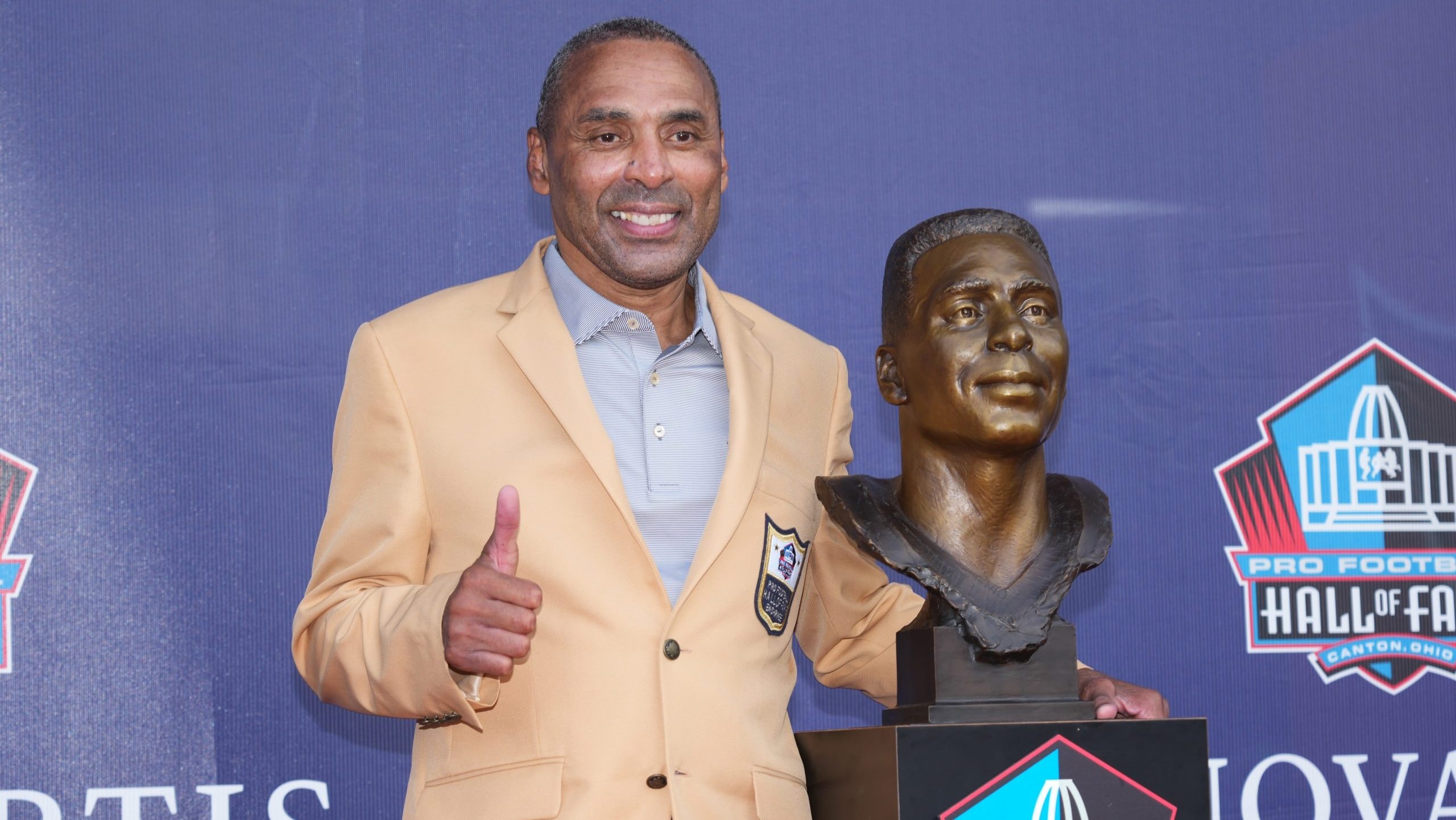
Roger Craig used his Pro Football Hall of Fame enshrinement speech in Canton, Ohio, to disclose a new chapter in his life: he has been diagnosed with vascular dementia. Craig, a running back whose career helped define an era for the San Francisco 49ers, made the announcement publicly during the formal moment when new Hall of Famers deliver remarks before family, teammates, and the broader football community.
Craig’s comments arrived as the 2026 Hall of Fame class was being celebrated. According to the report, the announcement came during the weekend ceremony following his induction, placing his personal health update at the center of an otherwise tradition-heavy sports stage. The disclosure shifts the focus from the usual Hall of Fame themes of achievement and influence, toward the realities that can follow even long after the final carry and the last season transcript.
Craig is closely associated with two football identities, and both were referenced in the framing of the day. He was a Nebraska legend before turning pro, and he later became a recognizable figure as a 49ers running back, where his role went beyond simple production. In the modern memory of the franchise, Craig’s name continues to stand for balance, versatility, and the ability to contribute in more than one phase of the game.
The condition Craig described, vascular dementia, is a form of cognitive decline linked to reduced blood flow to the brain. While the report does not provide medical detail beyond the diagnosis itself, the mention carries weight because dementia can affect memory, language, judgment, and daily independence. That is why public disclosures like this often prompt renewed attention to support systems for former players and how families navigate illness after football.
Craig’s announcement also underscores a broader point about how sports institutions handle the post-career experience of their figures. The Hall of Fame ceremony is designed to preserve legacy through on-field accomplishments, but the personal stakes do not end when a career does. With the news made public at the event, the moment serves as a reminder that recognition does not prevent health challenges, and that the football family tends to measure responsibility in more ways than statistics.
For viewers and readers, the next watch will be how Craig’s statement resonates across the sport, including from fellow alumni and the platforms that cover Hall of Fame weekends. Beyond tributes, the most practical impact will likely come from the conversations that follow any public dementia diagnosis: what resources exist for aging players, how medical support is coordinated, and how teams and leagues can continue to stay connected long after the spotlight moves on. For now, Craig’s priority is clear from the reported news, he chose to speak about his condition plainly during the ceremony itself.
If you are looking for additional medical context or follow-up statements, those would need to come from Craig, his family, or an official source, as the report available here focuses mainly on the fact of the diagnosis and the setting of the announcement. Without further detail, speculation would be inappropriate. Still, the core news item is confirmed by the coverage, Craig publicly revealed his vascular dementia diagnosis during his Hall of Fame speech.
Why It Matters
- Hall of Fame moments typically center on career accomplishments, but Craig’s disclosure brings attention to post-career health realities in the sport.
- Publicly naming a dementia diagnosis can influence awareness and prompt conversations about support for former players and their families.
- The announcement places a high-profile legacy figure at the center of a conversation the football community often discusses only indirectly.
- Craig’s dual identity with Nebraska and the 49ers adds cross-audience visibility for the message within both college and pro football cultures.
Key Facts
- Roger Craig disclosed that he has been diagnosed with vascular dementia during his Hall of Fame enshrinement speech.
- Craig’s disclosure was made during the Pro Football Hall of Fame ceremonies in Canton, Ohio.
- The report identifies Craig as a former Nebraska running back and a 49ers legend.
- The announcement was tied directly to the weekend’s induction proceedings, not a separate appearance.