
THE APEX TIMES
Role Call: PJ Locke brings scheme familiarity and two-way defensive value to the Cowboys
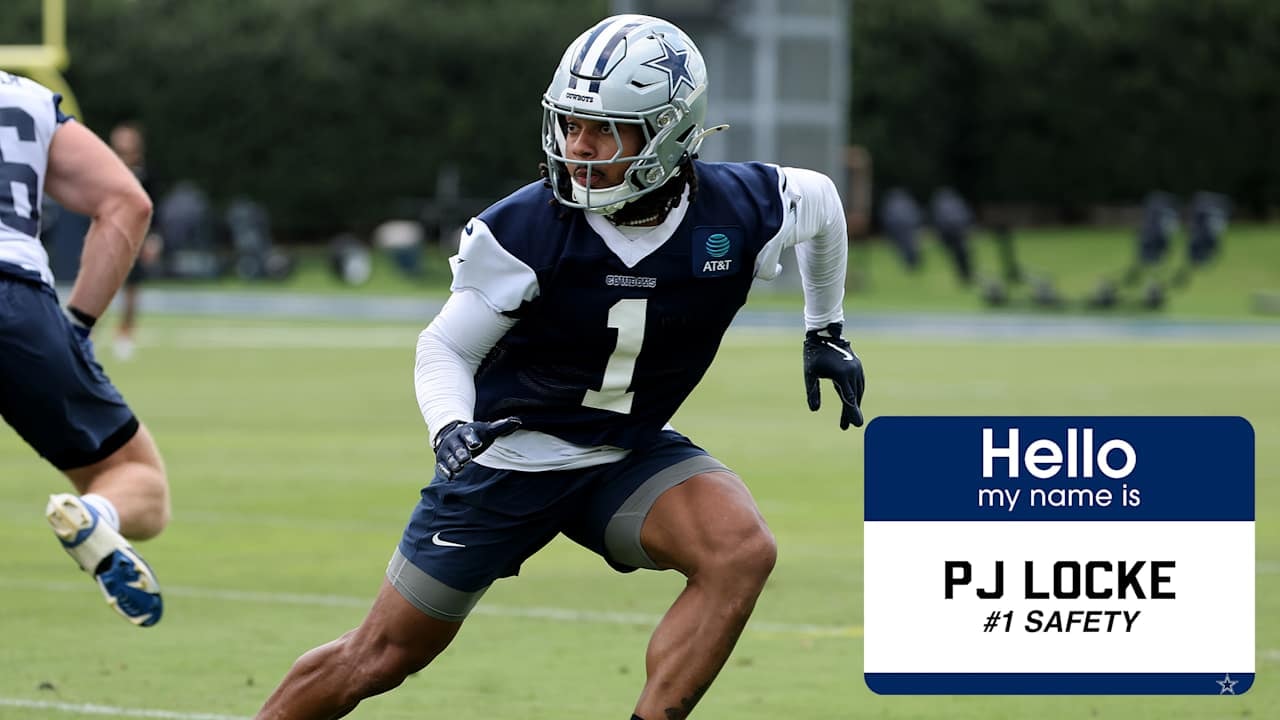
Dallas safety PJ Locke is entering his Cowboys role with an extra edge, having worked within a defensive framework that mirrors the system shaped around Christian Parker. The club is also highlighting Locke’s ability to contribute across defense and special teams, with a track record of helping younger teammates adjust early.
The Dallas Cowboys are leaning on familiarity and versatility as they assemble their defensive depth, and in that mix PJ Locke is being presented as a plug-and-play option. In a team profile published June 23, described Locke as a safety who understands the nuances of the defensive scheme, including how it fits with the work Christian Parker has been associated with, and as a defender who can help in more than one phase of the game.
According to the Cowboys’ own breakdown, Locke’s value starts with his familiarity with Parker’s approach to the system. For a defense, that kind of continuity matters because communication and assignment discipline often separate routine execution from breakdowns. Instead of learning a fully new set of concepts from scratch, Locke’s background is framed as something that can shorten the adjustment curve, especially when the Cowboys are looking for reliability from the safety group and the rotation behind their starters.
Dallas also highlighted that Locke has shown a mentoring streak with younger players. The team referenced the example of Caleb Downs, noting that Locke has served as a resource early for players who are still learning what the NFL game demands from them physically and mentally. That sort of internal guidance is often hard to quantify, but it can show up in the way a defense communicates on the back end, and in how quickly younger contributors are able to process pre-snap looks.
Beyond the scheme and the classroom element, the Cowboys’ write-up emphasized that Locke’s role is not limited to standard defensive snaps. The team described him as versatile, with the ability to contribute on special teams as well. In practice, that means coaches can treat a safety like Locke as a chess piece, using him to cover multiple needs in roster construction, especially across a long regular season when injuries and workload management force frequent lineup adjustments.
For the Cowboys, that versatility fits a broader offseason priority that teams routinely face: building depth that can perform at a baseline level even when the lineup shifts. A safety who can defend multiple alignments and also help on coverage and return units gives the staff more freedom when they want to match personnel and game plan rather than simply react to who is available.
What to watch next is how Locke’s early understanding of the system translates into consistency once the Cowboys move through full-speed work. If the familiar concepts show up in improved assignment sharpness and communication, that would validate Dallas’s emphasis on readiness. If the special teams contribution becomes more visible, it will also report that the Cowboys view him as more than an organizational-depth name.
As always, it is worth separating profile-based optimism from on-field proof. A team can describe role readiness and versatility, but the league ultimately settles the matter through performance during live reps and game situations. Locke’s season outlook, at minimum, now comes with a clearer path: apply scheme familiarity, reinforce the safety unit from behind the starters, and make his two-way value undeniable.
Why It Matters
- In the NFL, safety depth is often the difference between stable coverage and late-game defensive failures when rotations change.
- Scheme familiarity can reduce miscommunication, particularly on the back end where quarterbacks test seams, safeties, and leverage decisions.
- A player who contributes on special teams gives the Cowboys roster flexibility and helps maintain coverage quality across the season.
Key Facts
- described safety PJ Locke as coming into Dallas with familiarity related to Christian Parker’s scheme concepts.
- The Cowboys emphasized Locke’s versatility, describing him as useful on both defense and special teams.
- Dallas’ profile noted Locke has supported younger teammates early, including an example involving Caleb Downs.
- The article framed Locke’s background as something that may help accelerate adjustment and improve reliability within the safety group.