
THE APEX TIMES
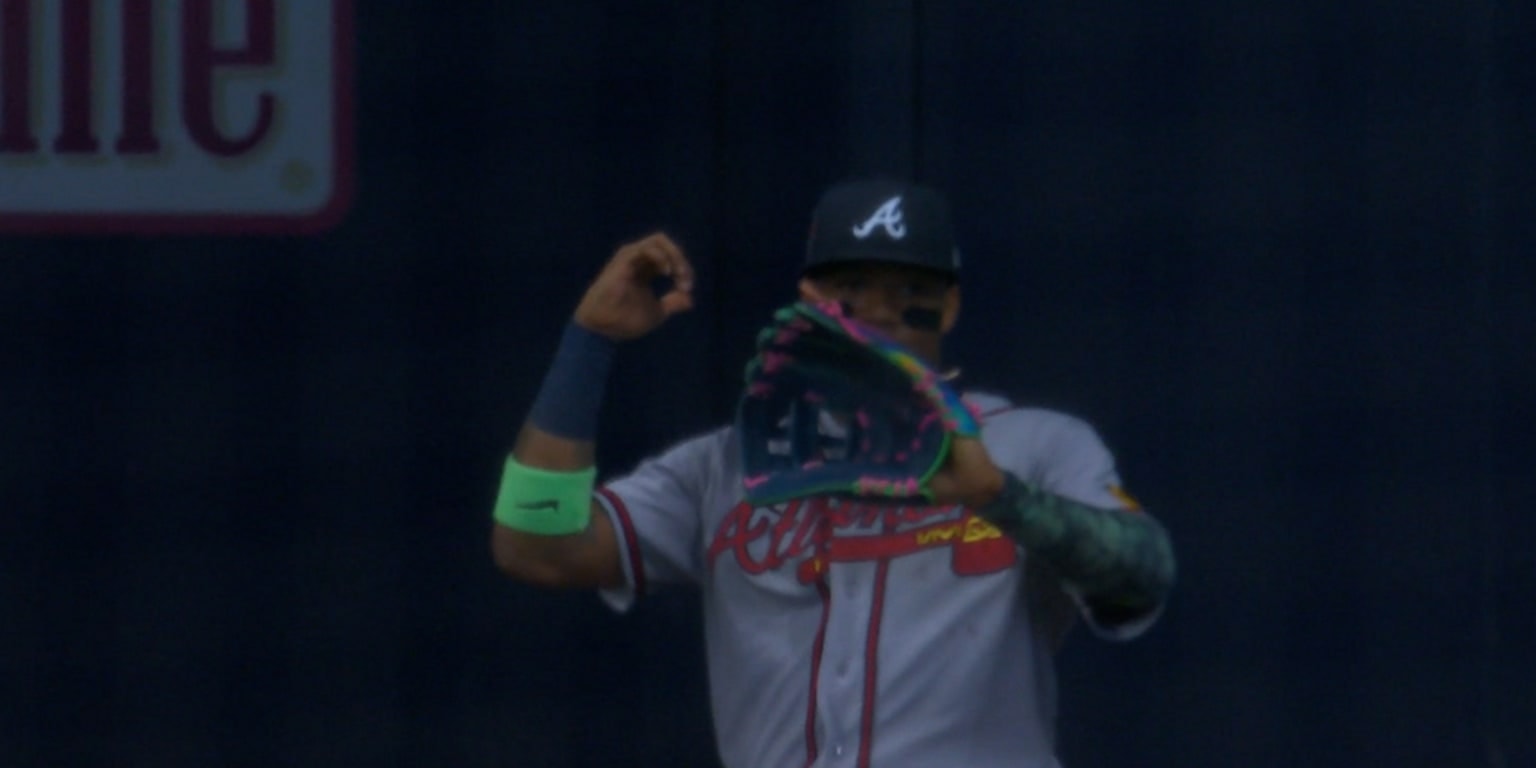
Ronald Acuña Jr. guns down Luis Lara at second base with 92.3-mph throw
A double that was not meant to be. In Milwaukee, Luis Lara tried to stretch a line-drive into extra bases, but Ronald Acuña Jr. erased the attempt with a quick cut-off and a rocket throw that reached second base at 92.3 mph.
Milwaukee was the setting, and the inning was the fifth, when Luis Lara took an extra-base chance that looked real for a moment. Leading off the frame, Lara hit an 81-mph slider from Chris Sale down the right-field line and started for second as the ball headed toward the corner. The play had all the early signs of a double, because the ball carried far enough to pull the infield and test the outfield’s angles.
What changed was the decision-making speed in the right place. Ronald Acuña Jr. was positioned to handle the hit, cut it off before it could reach the wall, and then transitioned from tracking the ball to throwing on the move. According to MLB’s report on the sequence, Acuña spun after taking the cut-off and unleashed a 92.3-mph throw that traveled on a line.
The throw’s target was second base, and it met its mark. Mauricio Dubón was the receiver, and MLB described the outcome as Dubón catching the ball just in front of second base, a step or two ahead of Lara’s stretch. The result was an out, turning what Lara had tried to make into extra bases into a momentum-stopping defensive play.
The mechanics mattered here, but so did the numbers. The fact pattern centers on two speeds, Lara’s and Acuña’s, and how they converged. Lara’s hit came off a Sale slider at 81 mph, enough pace to keep the runner aggressive. But Acuña’s 92.3-mph delivery from right field is the part that ultimately decided the geometry, because it left little time for the baserunner to complete a safe slide and beat the relay.
There is also a pitching context embedded in the play description. Chris Sale’s delivery produced a ball struck hard enough to reach the line, which tells you the runner had a legitimate reason to commit to second. Yet the outfield conversion, including the cut-off and the throw to a precise spot near the bag, shows how a strong defensive exchange can negate that kind of base-running intent.
In terms of team impact, the value of an outfielder’s cannon from the corner is straightforward. Preventing an extra-base hit in the middle innings can swing run expectancy even when the rest of the inning is unsettled. A baserunner thrown out at second is also different from stopping a single, because it removes both a base and a scoring opportunity that would follow if the hit holds up for two.
What to watch next is how Atlanta’s outfield defense continues to cover the margins when balls are hit toward the lines. Plays like this are often the difference between “almost” extra-base traffic and outcomes that show up as outs in the scoring ledger. If Lara’s drive was the kind of hit that typically becomes two bases, then Acuña’s ability to turn a long look into an immediate out becomes a recurring theme for this team’s defensive reputation.
For fans, the headline takeaway is simple and rare in its clarity: the ball looked like a double off an 81-mph pitch, but it ended with a 92.3-mph throw that caught the runner trying to stretch it, with Dubón making the tag at second. In a season defined by fine margins, that combination of hit placement and outfield arm strength can decide an inning in seconds.
Why It Matters
- An extra-base attempt stopped with an out at second can swing run expectancy and inning momentum.
- Acuña’s ability to cut off balls near the wall and convert them into quick, accurate throws underlines why right-field defense matters on line-drive doubles.
- The play shows how even well-hit balls off top-end pitching can be overturned by elite outfield range and arm strength.
- Base-running aggressiveness is directly affected by how quickly a team can get the ball from the corner to the infield target.
Key Facts
- Luis Lara led off the fifth inning with a hit down the right-field line.
- Lara’s ball was struck off Chris Sale, described as an 81-mph slider.
- The hit carried toward the corner as Lara took off for second base.
- Ronald Acuña Jr. cut the ball off before it reached the wall.
- Acuña’s throw to second base was recorded at 92.3 mph.
- Mauricio Dubón received the throw just in front of second base to erase Lara at second.