
THE APEX TIMES
Royals face a key offseason question in center field as they map next year’s defensive plan
Kansas City’s long tradition at the position puts extra weight on who will handle the deepest outfield spot going forward.
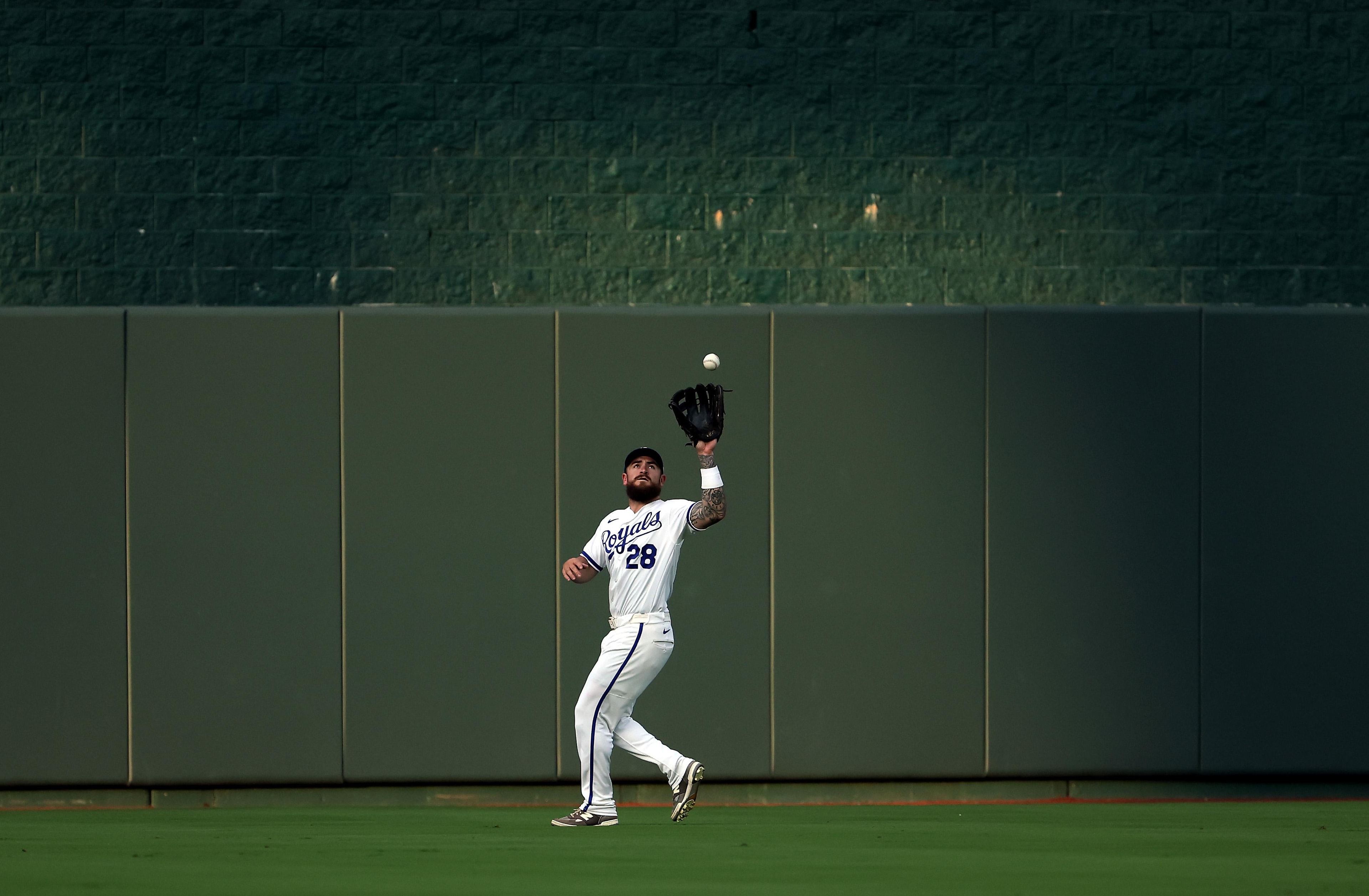
The Kansas City Royals are entering the offseason with an unavoidable roster question in center field, and the debate starts with the club’s own player in that spot. In a recent discussion from Yahoo Sports, the focus is on whether Isbel should continue as the starting center fielder when the Royals try to finalize their outfield alignment for next season.
Center field is one of those positions that demands more than arm strength and gap coverage. It is where a team’s defensive identity shows up most clearly, because the player is tasked with tracking fly balls off the bat path, reading angles toward the warning track, and then converting those reads into routes that keep runners from taking extra bases. The Yahoo Sports piece frames Kansas City’s situation in that context, noting the franchise’s history of strong center field defenders and how that standard can shape internal decisions.
The “figure out center field next year” theme matters because it touches multiple parts of team-building. If the Royals keep Isbel in the role, the offseason work becomes about maximizing fit, including what the rest of the outfield can do behind him in left and right, and whether the club wants more range or a different mix of skills in the outfield. If the Royals decide they need an upgrade, the center field problem stops being about a single spot and becomes about the entire outfield strategy, including how quickly the team can turn any change into reliable defensive output.
Kansas City’s historical emphasis on the position is part of why the decision carries extra meaning beyond the regular-season standings picture. The team’s center field legacy has long been tied to premium defense, and that sort of organizational through-line tends to make teams more cautious about settling for “good enough” when the stakes are run prevention and overall outfield efficiency. In practical terms, the Royals will have to weigh the continuity benefit of sticking with their current plan against the value of adding a center fielder whose skill set matches the manager’s coverage expectations.
The offseason also brings a second consideration: how the Royals want their outfield to play on different types of pitching. A center fielder who can consistently convert on balls to the gaps matters, but so does the ability to adjust when opponents change their approach, pull the ball more often, or try to hit high fly balls that shift the timing of the catch. Even without making claims about specific performance levels, the structural point is clear from the way the question is posed, the club will be thinking about more than one day of batting practice when it looks at the outfield.
Because this is a forward-looking discussion rather than an official roster move, the most important detail to watch is what the Royals actually decide to do with the starting job. The immediate next steps, such as spring-training plans or internal evaluations tied to the 2027 roster build, will show whether Kansas City views Isbel as the answer or as a placeholder while the club searches for a better fit for center field.
Beyond the center field spot itself, the Royals’ choice will also influence how quickly the rest of the outfield can settle into roles. Teams that get the outfield configuration right often experience a downstream benefit, fewer misplays and better reads across the outfield grass, particularly on plays that require coordination in the first seconds after contact. In a division where margin for error is limited over a full season, the Royals will likely treat center field as a foundation position rather than an afterthought.
Why It Matters
- The Royals’ center field decision affects run prevention through outfield range, route efficiency, and catching on balls to the deepest part of the field.
- It can change how the outfield operates as a unit, including coordination with left and right fielders.
- A clear starting answer in center field helps teams stabilize their defensive alignment over the long run of a season.
- Kansas City’s organizational standard for premium defense at the position raises the importance of the choice beyond day-to-day performance.
Key Facts
- Yahoo Sports’ discussion focuses on whether Isbel should continue as the Royals’ starting center fielder next season.
- Center field is portrayed as a defense-first position, with an emphasis on fit and reliability.
- The piece connects the Royals’ decision-making to the franchise’s history of strong center field play.
- The Royals are framed as needing to resolve their next-year center field plan rather than assuming the current setup will remain unchanged.