
THE APEX TIMES
Entering Saturday at Truist Park, Atlanta’s offense has produced only limited scoring behind Sale, highlighting how quickly a start can swing on run support.
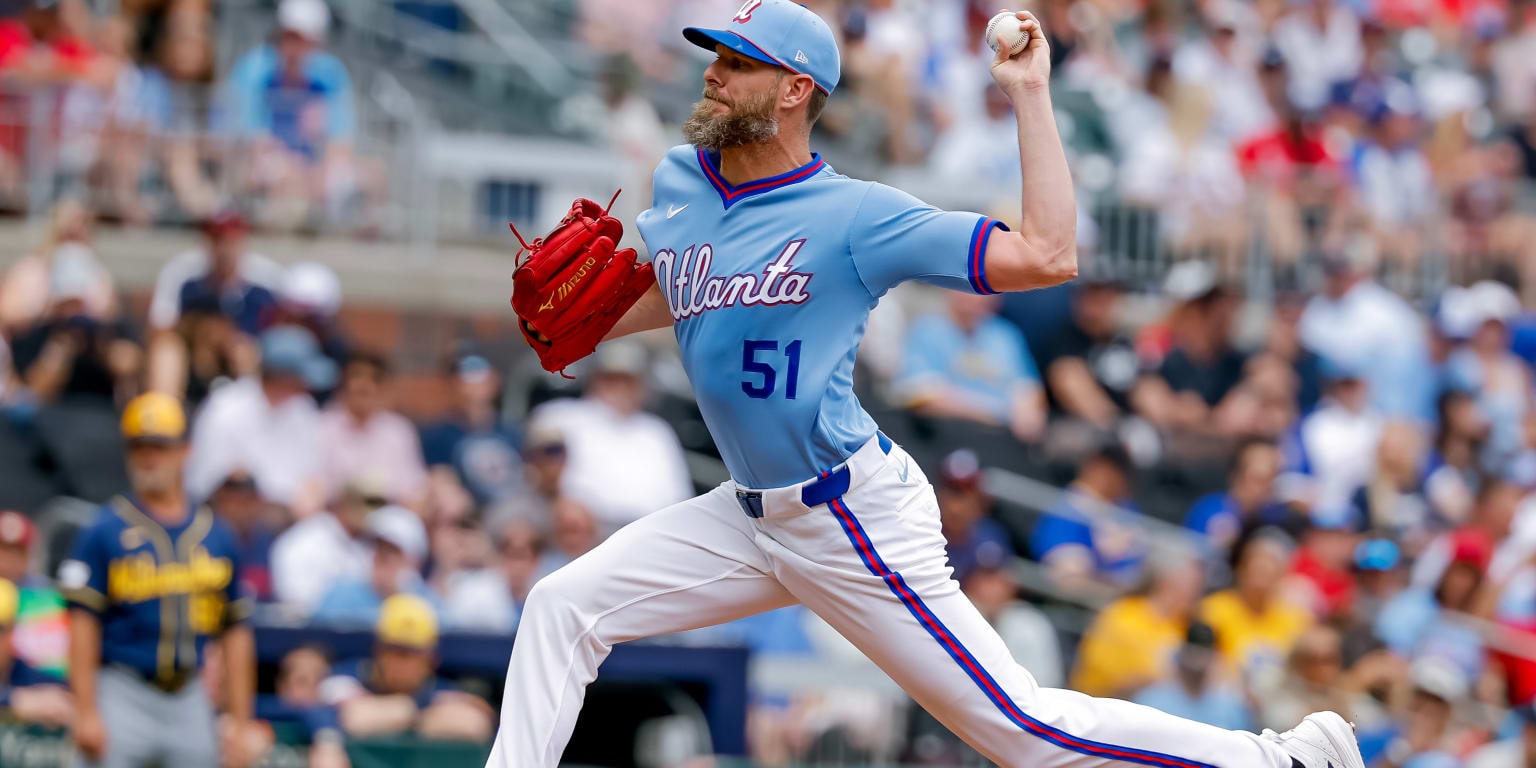
Chris Sale’s latest stretch has been defined as much by Atlanta’s scoring output as by his own pitching. Ahead of his start against the Milwaukee Brewers on Saturday afternoon at Truist Park, the Braves offense had posted one or fewer runs while Sale was the pitcher of record in recent games, according to an MLB report from the Braves beat.
The broader context is that Atlanta’s offense has not been a bottom-feeder this season. The same report notes that the Braves rank sixth in the league in runs scored, which makes the disconnect particularly notable. Even when a lineup is among the better run producers overall, the timing of production relative to a specific starter’s innings can still determine whether that season-long offensive profile shows up in the box score on a given day.
For the Braves, this matters because Sale is entering the game with the kind of role that amplifies run-support issues. When a starter is working to keep a game close early, innings can easily be framed by what the bullpen did not have to rescue, or what the middle innings could not manufacture. A run or two changes the leverage of each plate appearance and the way opposing managers choose matchups as the game develops.
Sale’s situation is also a reminder that “offense rank” does not automatically translate into consistent results from starter to starter. League-wide scoring ranks are built across many different pitchers, lineups, and game states. A team can be capable of scoring in bulk while still having stretches where a specific game script produces fewer runs for the starter who begins it.
Against the Brewers, Atlanta’s challenge will be straightforward in concept even if it is difficult in execution: convert chances into early runs before the game compresses into late-inning leverage. Truist Park can play a role in how quickly swings happen, but the more practical question for the Braves is whether their higher-end run production can show up in the first time through the batting order and keep pressure on Milwaukee’s pitching throughout the middle frames.
What to watch from here is whether Atlanta’s scoring that has been more uneven during Sale’s appearances returns to the level that matches the team’s broader offensive standing. If the Braves can support Sale with multi-run frames, the pressure shifts quickly, and the game becomes less about bullpen management and more about how long Sale can work through Milwaukee’s lineup without needing Atlanta to “catch up” later.