
THE APEX TIMES
Ryan Day calls NFL-to-college commitment chaos “frustrating,” indicates Ohio State would push back if it happens again
Ohio State coach Ryan Day addressed the growing debate around a recent high-profile case of a player moving from the NFL back into the college football recruiting cycle, using his comments to outline what he believes programs should do when the rules and the timeline collide.
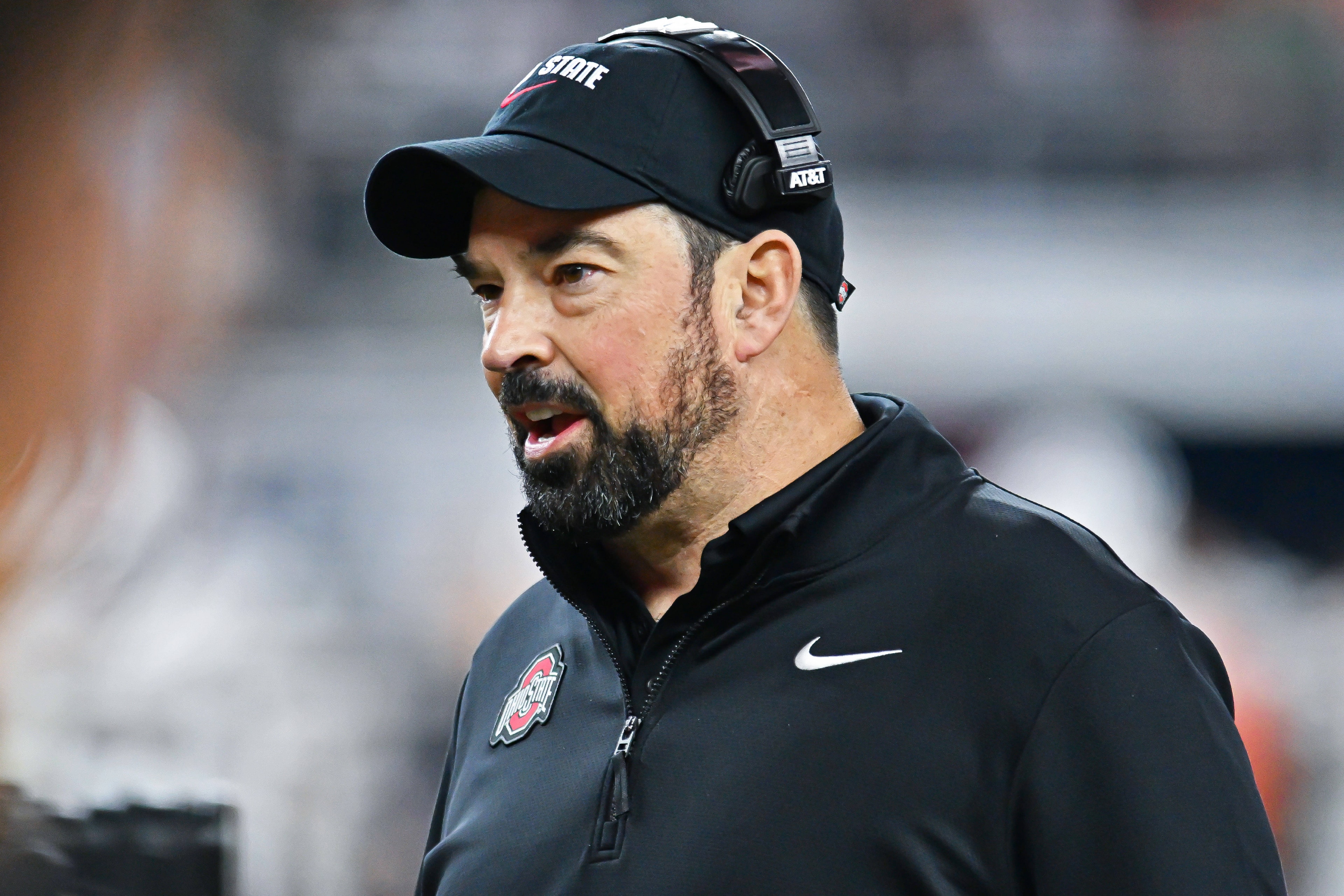
Ohio State head coach Ryan Day did not mince words on Thursday regarding a controversial situation that has become a flashpoint in college football. Speaking in the context of a player who committed to a college program after previously being an NFL player, Day characterized the broader trend as “frustrating” and made clear that the Buckeyes are watching how these cases play out, with an implied stance that Ohio State would respond if a similar scenario reached Columbus again.
The case at the center of Day’s remarks involves Dae’Quan Wright, who has been described as an example of the unusual and destabilizing issues programs can face when an NFL player re-enters the college football recruiting and commitment landscape. According to the report, Wright’s situation has raised questions about how often such controversies might surface, and what college programs should do when the boundaries between the professional and college football timelines blur.
For Day and Ohio State, the core issue is not only competitive, but operational. College programs build rosters through scholarship planning, development cycles, and recruiting calendars that assume certain norms around eligibility, offseason availability, and commitment processes. When an NFL-to-college pathway becomes part of that process, it can change how quickly programs can evaluate players, how stable commitments are, and how much uncertainty teams must absorb during periods when roster decisions are typically locked in.
Day’s comments, as reported, also suggest he is concerned about precedent. The Ohio State head coach discussed the frequency of these controversial issues in college football and, importantly, “made Ohio State’s intentions clear” about what the program is likely to do if it encounters a similar situation. While the report does not lay out a specific policy in detail, the thrust is that Ohio State expects clarity and intends not to be swept into a mess it did not create.
The broader debate extends beyond one player or one school. College football has increasingly been asked to adapt to situations that test eligibility rules, commitment norms, and public expectations as players move between levels and leverage media visibility. When a case like Wright’s draws attention, it can influence how other prospects and programs view the process, and it can also force conferences and schools to address concerns about fairness and competitive integrity.
What to watch next is whether Day’s remarks translate into a visible policy posture from Ohio State in future recruiting or return-to-college scenarios. Fans will also be looking for how quickly eligibility and procedural questions are resolved in cases involving NFL-affiliated players, since delays or ambiguity can affect roster planning not just for the school that is recruiting, but for everyone trying to manage recruiting timing and scholarship allocation.
At the same time, there is a caveat in how much can be concluded from a coach’s reaction alone. The report frames Day’s statements as a response to the chaos of these situations rather than a complete blueprint for how Ohio State will handle every edge case. Still, the fact that Day chose to address the issue publicly underscores that Ohio State views this as more than noise, and that it believes the sport’s institutions must decide how to respond when the usual pathway is disrupted.
Why It Matters
- These cases test how college programs plan rosters within the normal recruiting and commitment timelines.
- A public stance from a major program like Ohio State can influence how other schools approach similar situations.
- The debate also touches competitive integrity and fairness when players move between the NFL and college football cycle.
- If precedent spreads, it could increase uncertainty across recruiting, scholarship decisions, and offseason roster stability.
Sources
Key Facts
- Ohio State head coach Ryan Day described the NFL-to-college commitment trend as “frustrating,” in comments tied to a recent high-profile example.
- The case referenced involves Dae’Quan Wright, described as illustrating the chaos that can follow an NFL player committing to a college program.
- Day discussed the frequency of such controversial issues in college football.
- The report says Day made Ohio State’s likely response clear if the program finds itself in a similar situation.