
THE APEX TIMES
Ryan Day’s Ohio State season arrives with expectations, not a countdown clock
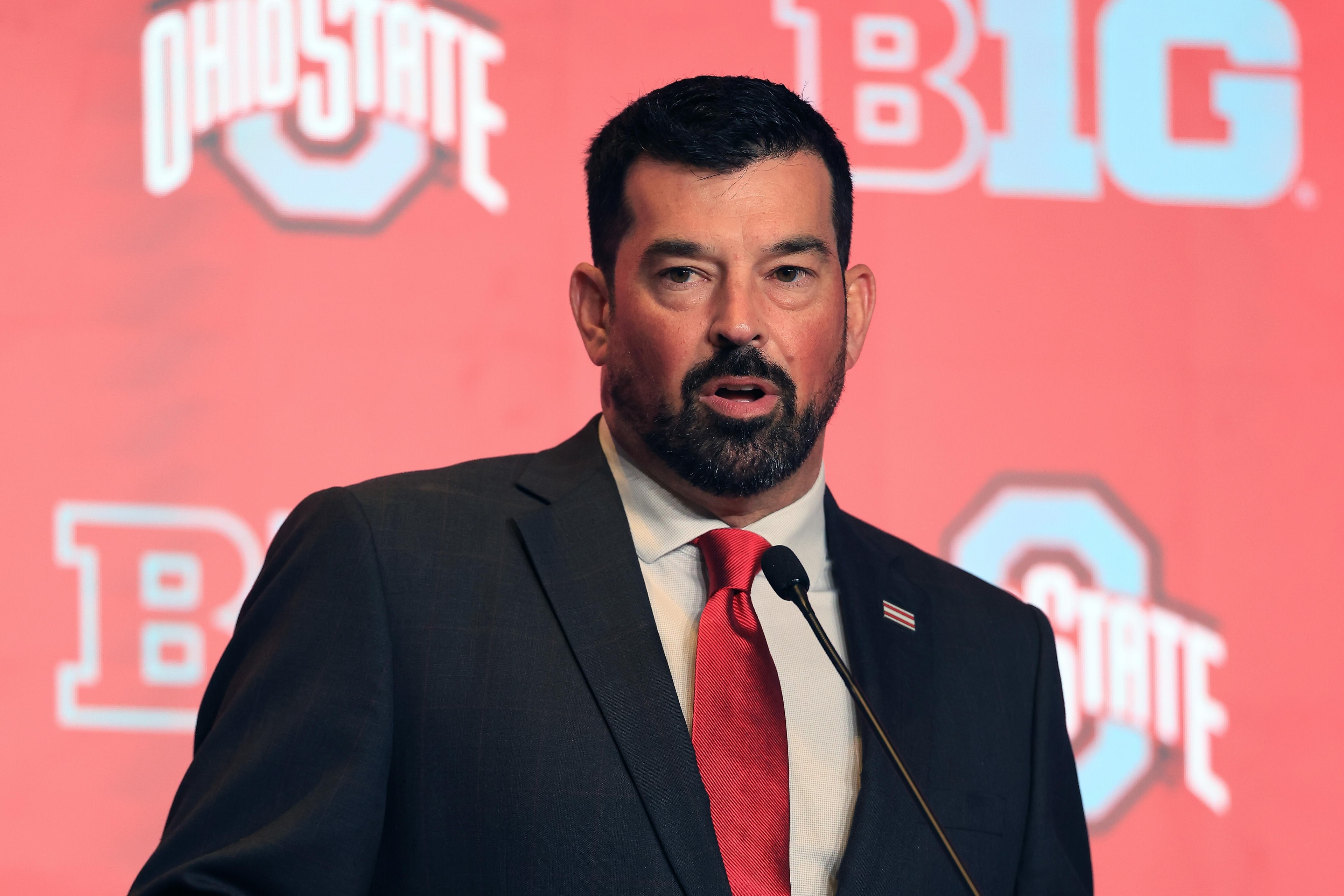
After a national-title run, Ohio State coach Ryan Day starts another season with the usual pressure, the kind that comes from history, standards, and the reality of college football’s impatient calculus.
Ryan Day enters the next Ohio State season with something coaches rarely receive and almost never get to enjoy for long, relief. He has already delivered a national championship to Columbus, a result that should, in any reasonable sports universe, purchase time. In college football, though, time is rarely granted in full. The question is not whether Day can win, but whether he can do it again quickly enough to match the job description that Ohio State, the Big Ten, and the college football landscape have collectively written for him.
A recent Yahoo Sports column frames the situation as pressure that is more psychological than mechanical. The point is not that Day’s seat is suddenly hot. It is that the sport evaluates every season as if it is the next audition. Ohio State’s fan base and media ecosystem do not treat a national title as a completed chapter. They treat it as the baseline that the program will be expected to surpass, season by season, opponent by opponent, and week by week.
That is what makes the “beyond the box score” perspective relevant. Wins and losses are the headline, but the broader measurement is trajectory and coherence. In a league where roster turnover is constant and schemes have to be rebuilt every year, programs like Ohio State are judged on more than a single result. They are judged on whether the team looks structurally sound, whether it handles adversity without losing identity, and whether it can keep producing high-level performances even as personnel changes.
Day’s history matters because it changes the expectation curve. When a coach wins a national championship, the program does not simply celebrate. It raises the standard for what follows. That creates a different type of pressure for Day, one that is less about job security and more about external certainty. The louder the confidence becomes that Day should repeat, the more every misstep is interpreted as a break in an established pattern, even if the misstep is statistically explainable or roster-based.
There is also a practical aspect to how Ohio State will be watched. College football’s competitive landscape is crowded, with every elite program believing it can reload. A national championship does not slow down recruiting, resources, or the pace at which other contenders close gaps. So even if Day’s underlying work remains strong, the comparison set never rests. The “what have you done lately” logic is not a plot twist, it is the default setting of the sport.
Going forward, what to watch is not only results. Watch how quickly Ohio State settles into its intended rhythm, how it responds to early-season challenges, and whether the team’s identity holds under the normal strain of a long schedule. If Day’s process produces steady improvement and visible continuity, the season will feel less like survival and more like momentum. If the program wobbles early, the narrative pressure will intensify, regardless of the reality beneath the scoreboard.
Why It Matters
- Ohio State’s standards shape how the entire college football coaching market is evaluated, especially for programs that win at the highest level.
- Pressure affects messaging, preparation, and how quickly teams are expected to show form, particularly in early-season weeks.
- The “lately” standard is a reminder that even championship-level work can be followed by scrutiny if results dip.
Sources
Key Facts
- The discussion centers on Ryan Day and Ohio State as Day begins another season.
- The column notes that Day led the Buckeyes to a national championship in 2024.
- It argues that, despite that achievement, college football still judges coaches by recent results.
- The theme is that pressure can exist even when job security is not the immediate issue.