
THE APEX TIMES
Ryan Dunn gets another runway with the Suns as preseason rotation questions linger
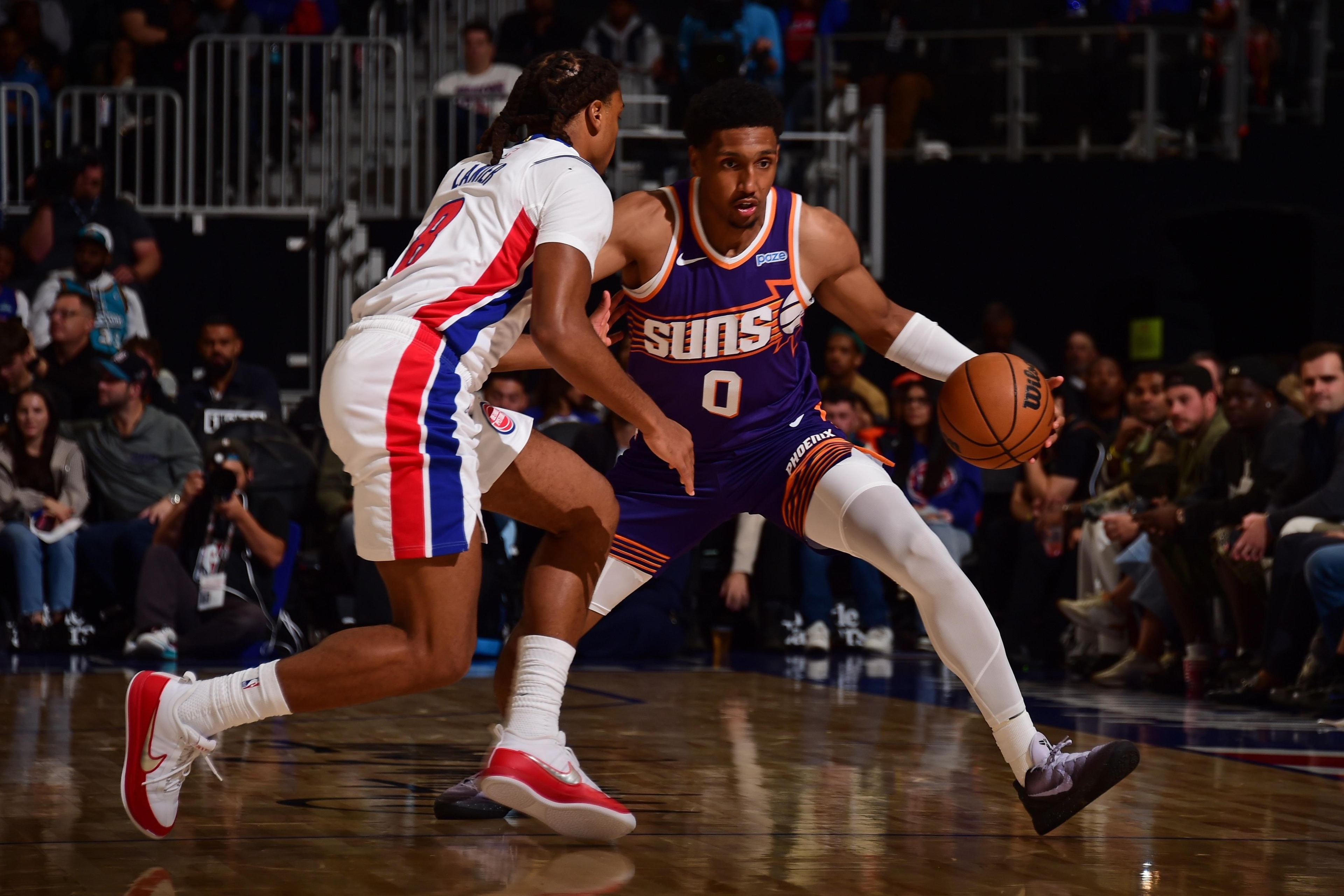
Phoenix is leaning on its developmental look at the wing spot, giving Ryan Dunn time to translate offseason growth to the first meaningful court reps, while the rotation framework around other young options is still forming.
The Phoenix Suns are using their early rotation windows to answer a basic question: which young players can turn practice habits into real-game decision-making. In that context, Ryan Dunn is being positioned for another chance to prove himself, with coaching staff reps set up to reveal whether his offseason development shows up when possessions count.
The larger theme is roster construction. Preseason rotations are more than evaluation for individual players, they are a test of how a coaching staff intends to build lineups once the regular season begins. For Phoenix, that means watching how Dunn fits within the defensive and spacing requirements of the Suns’ standard rotations, and whether his role expands beyond an end-of-bench look.
In the same breath, the Suns appear to be managing expectations for another younger option, described in the reporting as “Fleming,” who is waiting for his chance to contribute. That contrast is significant. Dunn’s opportunity suggests the staff sees immediate value in what he can do now, while Fleming’s path suggests the staff is still deciding when and how he can be trusted with consistent minutes.
Because preseason performances are inherently limited, the evaluation is usually as much about process as production. Coaches look for repeatable instincts: how quickly a player recognizes a screen, how reliably they close out, and whether their offensive involvement is controlled and within the team’s spacing plan. For Dunn, “another chance” implies the Suns are weighing prior looks against what they believe has improved since the last time he had the runway to establish himself.
Dunn’s assignment also lands in a league where young wings and developmental defenders can swing the feel of entire lineups. In modern NBA lineups, the ability to cover ground on defense, stay attached to assignments, and not disrupt offensive spacing can create the difference between a player being a true rotational piece and being relegated to short, matchup-based stints.
Still, preseason rotation tests do not settle everything. The next step is the regular-season translation: how often the staff trusts those minutes under pressure, how the rotation changes after early-season scouting, and whether the Suns’ preferred lineup patterns reflect what the preseason suggested. If Phoenix’s comfort with Dunn grows, it can open a clearer lane for him to earn a more stable role.
For fans, the most practical thing to watch next is how quickly Phoenix turns preseason reps into decision-making. If Dunn’s minutes increase with the quality of opponent and end-of-game scenarios, that would report the staff is confident in his development. If Fleming’s contributions remain limited, it would indicate the coaching staff is waiting for a specific readiness marker or a better matchup fit before expanding his role. Either way, Phoenix’s early rotation choices are laying out the hierarchy of its young group, and Dunn is at the center of that evaluation.
This story centers on a reported plan for preseason evaluation rather than a confirmed regular-season role, and it does not, by itself, guarantee outcomes for either player. The immediate takeaway is straightforward: the Suns are giving Dunn time to prove he belongs, because the rotation decisions coming soon will require answers that preseason games can partially provide.
Why It Matters
- The early rotation pecking order can determine whether a young wing becomes a consistent rotational piece or remains matchup-dependent.
- How quickly Dunn earns trust in preseason can shape Phoenix’s defensive lineup options early in the season.
- Differentiating Dunn’s runway from Fleming’s wait-and-see approach reflects the staff’s internal development priorities.
- Regular-season rotation formation often begins with preseason patterns, even when adjustments follow early scouting.
Sources
Key Facts
- Phoenix is giving Ryan Dunn another opportunity to establish himself through preseason rotation reps.
- The Suns are using preseason rotations to assess how offseason development translates to the court.
- Reporting indicates “Fleming” is also part of the youth group, but is waiting for his chance to contribute.
- Preseason rotations are framed as a window into how Phoenix may construct regular-season lineups.