
THE APEX TIMES
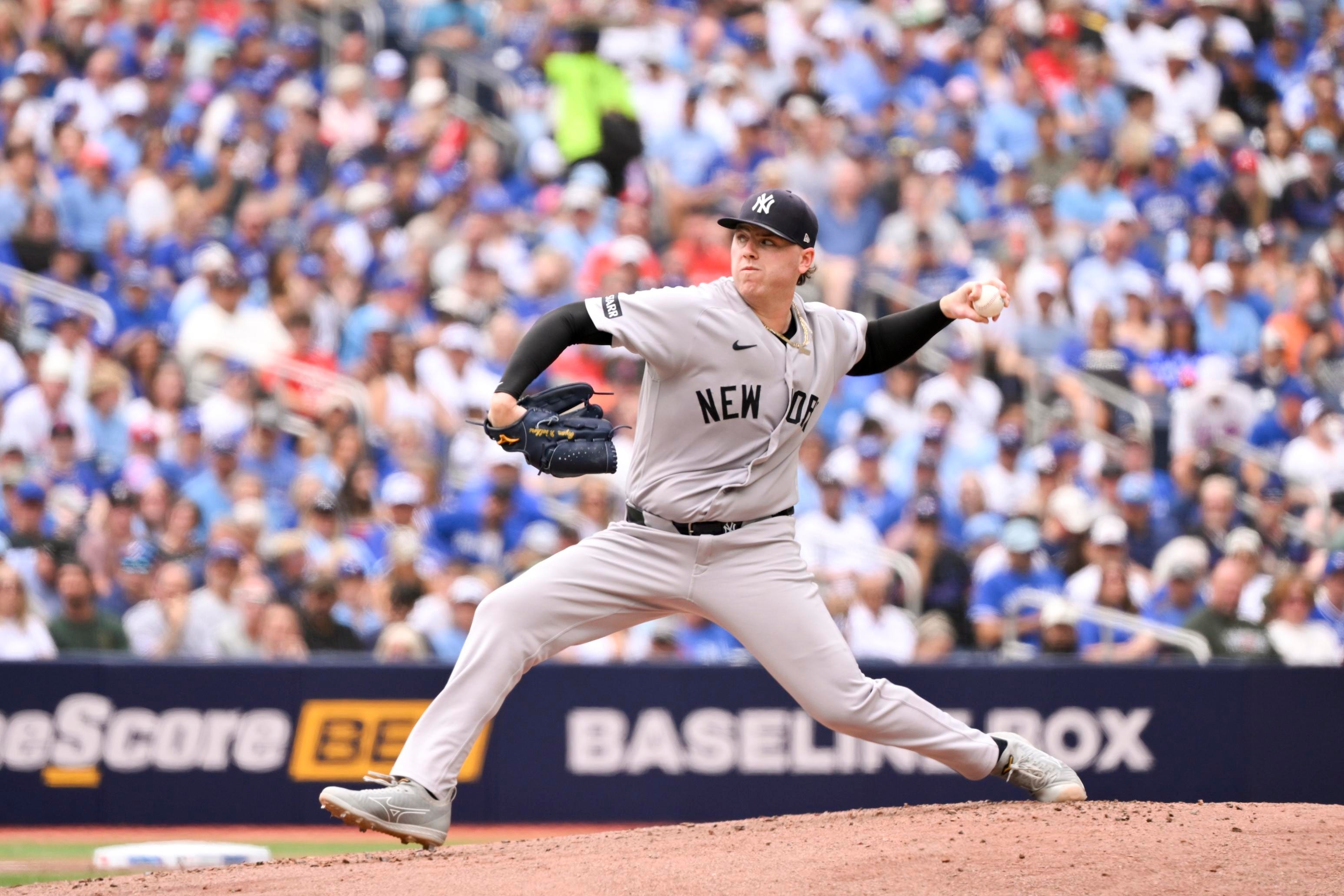
Ryan Weathers leans into the sinker, helping Yankees turn the screws on Blue Jays in extra innings
A shift in pitch philosophy has changed how Ryan Weathers controls contact, and it showed up in a Yankees win that lasted into the late frames against Toronto.
Ryan Weathers’ recent stretch has carried a clear theme, he is leaning more on his sinker and less on his four-seam fastball, and that adjustment translated into tangible dominance during a Yankees extra-innings win over the Blue Jays. The shift is not presented as a simple preference change. It is framed as a deliberate effort to reduce the damage created when hitters square up the wrong offering, while maximizing the effectiveness of the ball that stays down and runs into hitters’ swing paths.
In a matchup against a Toronto lineup, Weathers’ results were described as “dominating,” with the improvements tied directly to the new approach. The key idea is sequencing and damage control. By carrying a sinker-first plan instead of a four-seam-heavy posture, he is better positioned to induce weaker contact and keep the game on his terms, even when the Yankees are relying on him to navigate a quality opponent over multiple looks.
The report characterizes the Yankees’ weekend performance as an extension of Weathers’ earlier improvement. In other words, the change was already in place, and this start functioned as reinforcement that the adjustment is working against live MLB hitters, not just in bullpen work or earlier, less critical outings. For a starting pitcher, especially one operating in August where bullpen usage can become a competitive advantage, that kind of consistency matters.
For the Yankees, the extra-innings context raises the stakes of early control. When a game reaches the late innings, each plate appearance becomes more expensive. A starter who can repeatedly put hitters into difficult counts, limit hard-hit contact, and prevent early baserunners can shorten the path to a late-inning advantage, even if the finish is not decided immediately.
The Blue Jays, meanwhile, are the type of lineup that forces pitchers to be precise with pitch selection and intent. A strategy built around the four-seam can leave a pitcher vulnerable if the fastball gets into a hittable window and the rest of the sequence does not compensate. The sinker-first approach, as described in the story, is designed to avoid those “damage” outcomes and create more at-bats where the defense and the pitcher benefit from the quality of contact.
There is, however, a caveat worth noting. The discussion centers on pitch philosophy and observed effectiveness in recent starts, but it does not, in the accessible material here, provide a full statistical ledger such as strikeout totals, walk rates, or slugging splits. The most supportable takeaway is directional: Weathers’ sinker usage and reduced reliance on the four-seamer have aligned with improved results versus Toronto in this particular contest.
Looking ahead, the practical question for the Yankees is how well the approach holds over time. Pitching “arsenal” changes can influence how opposing hitters adjust, and hitters will eventually look for patterns in sinker location and the fastball that replaces the four-seam role. For Weathers, the next test is whether the sinker-heavy plan continues to suppress the damage across a variety of opponents, not just a single weekend start.
For Blue Jays fans, the next chapter is straightforward but challenging. If a pitcher’s sinker is producing trouble, it invites counter-adjustments at the plate, including earlier swing decisions and different protection plans. The Yankees, on the other hand, will want to see if they can keep winning games where the starter’s new shape of contact drives the bullpen plan, especially as August games stack toward the postseason picture.
Why It Matters
- Pitch-arsenal adjustments can directly change a starter’s contact quality, which becomes more valuable as games stretch into late innings.
- Extra-innings outcomes often depend on earlier control. A pitcher who limits costly damage can shift the leverage of the bullpen.
- If Weathers’ sinker-heavy plan holds up, it gives the Yankees a more stable way to manage at-bats against strong lineups.
- For the Blue Jays, the matchup indicates they may need specific hitting plans to counter a sinker-centered attack.
- As the season moves toward postseason positioning, continued evidence that the approach works versus elite opponents matters for team-building and rotation planning.
Key Facts
- Ryan Weathers has been using a sinker-first approach more than his four-seam fastball in recent starts.
- A Yankees win over the Blue Jays extended into extra innings during the weekend described in the report.
- Weathers’ performance versus Toronto was described as “dominating” against the Blue Jays lineup.
- The reported purpose of the adjustment is to minimize damage created on mistakes while maximizing the sinker’s effectiveness.
- The improvement is portrayed as meaningful enough to merit focused attention on pitch-arsenal changes.