
THE APEX TIMES
Sabres rally from two goals down to beat Wild 3-2 in overtime, extending a three-game run
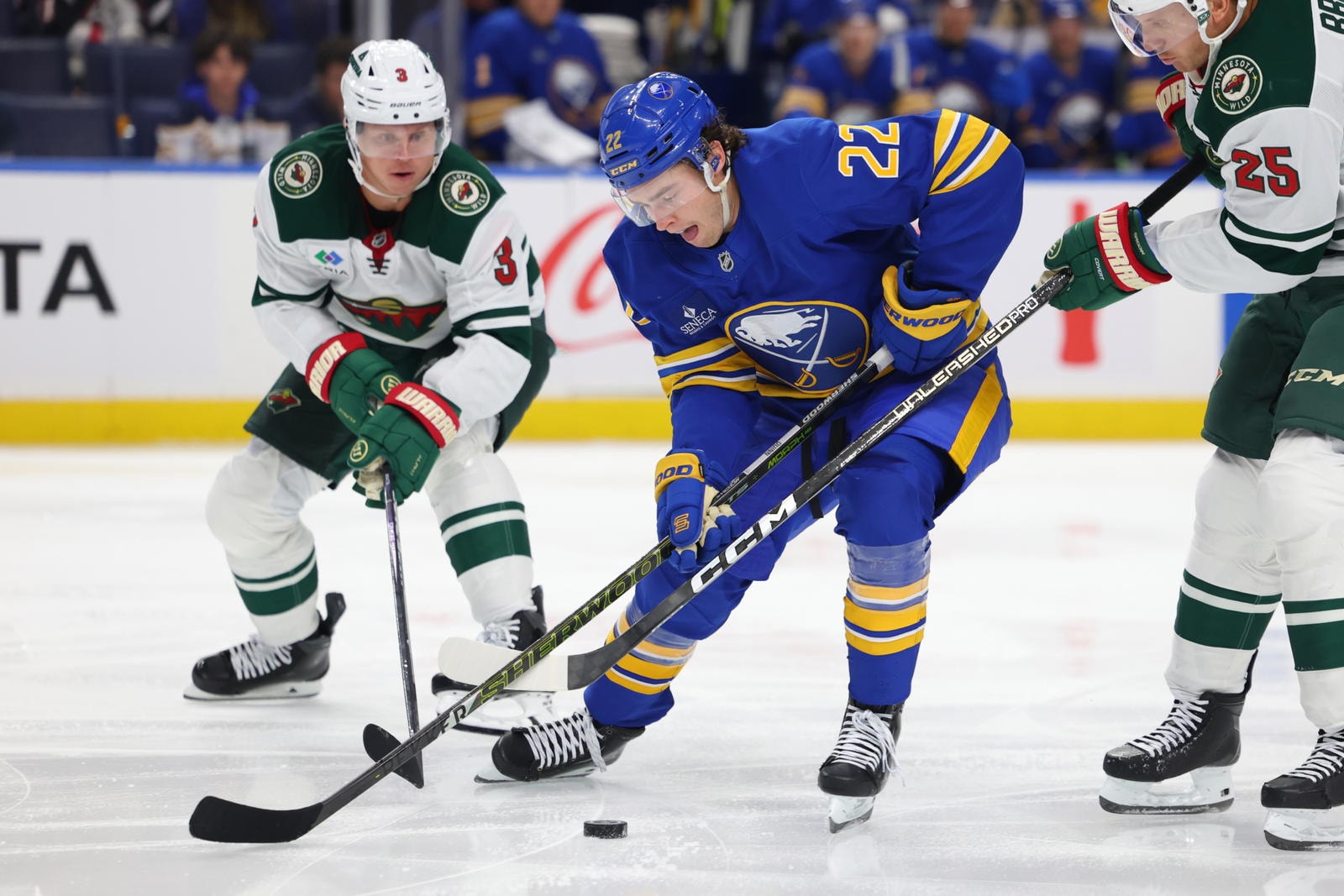
Buffalo rebounded after an opening-night loss and, with another late-game push, earned a 3-2 overtime victory over Minnesota on Tuesday.
The Buffalo Sabres got the kind of response teams want after a rocky beginning. According to Buffalo’s post-game report from Tuesday night, the club dropped its first game of the 2026-27 season, then steadied itself by winning three consecutive contests, including a 3-2 overtime victory over the Minnesota Wild.
The win carried a specific storyline that mattered on its own terms: Buffalo dug into an early two-goal hole before rallying to force extra time. Their ability to bend without breaking, as described in the post-game account, set up a late finish that kept the momentum from carrying over from the end of regulation.
The game’s final result also suggests a tight, low-margin contest. A one-goal game that went to overtime often reflects that neither team was able to create sustained separation, and Buffalo’s late scoring push did more than erase the deficit. It flipped the leverage in a matchup that featured Minnesota as the opponent, giving the Sabres a signature “third-period or later” win that can help set tone for how they manage pressure.
From a season-building standpoint, the timing of the streak is notable. The Sabres’ first loss of the year came early, but the team has since strung together wins, implying a quicker stabilization than what fans often hope for and rarely get. Even without diving into the specifics of goal scorers, power plays, or goaltending, the pattern described in the report is clear: Buffalo responded, then kept winning.
NHL teams often talk about process after early setbacks, but the practical translation is whether a club can avoid extended slumps. Buffalo’s three-game run, capped by the overtime comeback, indicates the group has found a workable formula, whether it is maintaining structure when Minnesota applies pressure or continuing to chase chances once the game turns against them.
For Minnesota, a 3-2 overtime outcome is the kind that leaves a bitter taste but can also inform what the Wild need to repeat and what they need to tighten. If Buffalo was able to dig out of a two-goal deficit, Minnesota’s coaching staff will likely look at the moments that allowed the shift, particularly late-game defensive coverage and how transitions were handled as the Sabres pressed for the equalizer.
Going forward, Buffalo’s immediate challenge will be proving the overtime comeback was not an outlier but part of a repeatable identity. If the Sabres keep finding a way in close games, the opening-loss-to-win-streak arc could become an early foundation. If the results flatten out, the emphasis will shift from “can they rally” to “can they consistently create leads and manage games before they reach the edge of regulation.”
Why It Matters
- Early-season bounce-back wins can set the tone for how a team responds to adversity, and Buffalo’s overtime rally is a prime example.
- Overtime outcomes often reflect game-state management, and a comeback from two goals down points to resilience under pressure.
- Close, one-goal games can shape team identity, especially when they require late execution rather than cruising on control.
- For the Wild, an overtime loss after a lead introduces immediate questions about closing out, which could influence how they approach future tight finishes.
Key Facts
- Buffalo lost its first game of the 2026-27 season before winning three straight afterward.
- The Sabres beat the Minnesota Wild 3-2 in overtime on Tuesday.
- Buffalo trailed by two goals during the game but rallied to force overtime.
- The result extended the Sabres’ early-season winning stretch described in the team’s post-game reporting.