
THE APEX TIMES
Sam Howell’s preseason push shifts the quarterback race, according to Cowboys beat report
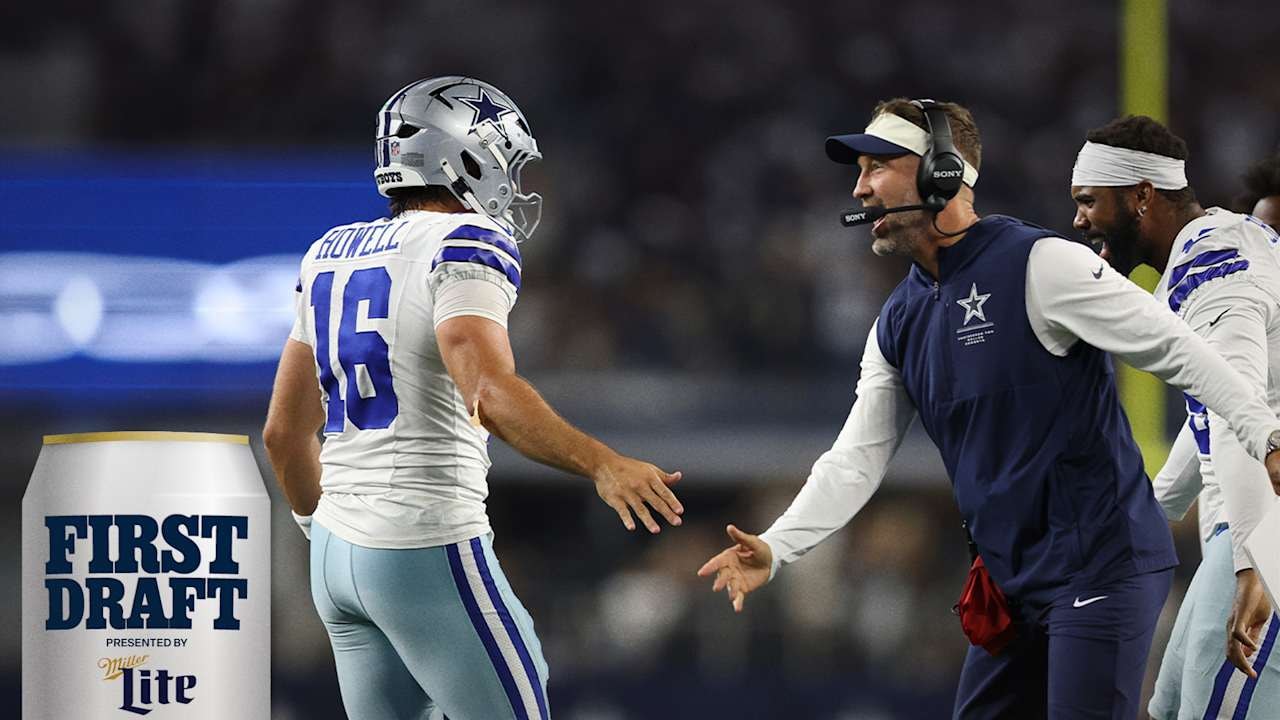
In the Cowboys’ final preseason game, backup quarterback Sam Howell did enough to strengthen his case for the regular-season roster, a development that reshuffles the internal battle behind starter play.
Dallas’ quarterback competition did not suddenly become simple in the final preseason game, but one storyline separated itself from the noise. In a beat report published Monday, Cowboys writer Tim Eatman argued that Sam Howell “just took someone’s spot,” suggesting Howell’s performance made a stronger case for keeping a specific backup role on the 53-man roster.
The takeaway is not that preseason evaluation is flawless. Coaches and teams treat the last exhibition as a final tuning window, not a complete truth serum. Even so, Howell’s body of work in that game, as characterized by Eatman, was enough to create clarity about the pecking order among quarterbacks who are competing for limited roster positions.
For the Cowboys, the quarterback room is more than a depth chart. It is also a risk-management plan. The starting quarterback’s health and availability largely determine how quickly an offense must adjust, and the team needs a backup who can operate the offense with continuity in case of injury. When a backup quarterback performs well enough in the most scrutinized preseason snap of the summer, it can change how the staff weighs upside versus day-to-day reliability.
Eatman’s wording points to the practical effect teams manage in camp. Roster decisions rarely come down to one player alone, because keeping one quarterback often forces difficult choices elsewhere. In that sense, the report frames Howell’s case as not only a personal improvement, but also a likely displacement of another player competing for the same valuable roster category.
There is a broader pattern around backup quarterback battles: teams can tolerate uncertainty early in preseason, but the final game compresses the window for questions to be answered. The regular season does not reset evaluation. Once rosters are finalized, the organization has to live with its decision, so the last preseason appearance can carry more weight than earlier weeks even when the play is still stylized.
What to watch next is whether Howell’s preseason momentum becomes reflected in the team’s regular-season quarterback roles and game-day usage. If Dallas keeps Howell as a clear top backup and structures the offense to match his skill set, the beat report’s implication will have landed. If the Cowboys still spread responsibilities broadly among quarterbacks, it would suggest the staff viewed the final preseason snaps as informative but not determinative.
Because the underlying report text is not fully reproduced here, this story focuses on what is directly supported by the beat account: Eatman’s assessment that Howell did enough in the final preseason game to “take someone’s spot.” For readers, the implication is roster, not just performance, but the specific identity of the displaced player is not confirmed in the information available for this draft.
Why It Matters
- Backup quarterback decisions affect how prepared a team is if the starter misses time, especially in the first weeks of the regular season.
- A late preseason shift can also influence roster strategy, because every additional quarterback has tradeoffs elsewhere.
- Howell’s perceived momentum could shape Dallas’ in-season offensive rhythm and practice emphasis.
- The way Dallas finalizes the depth chart can report how the organization values continuity versus specialization in backup play.
Key Facts
- Cowboys beat writer Tim Eatman reported that Sam Howell’s performance in the team’s final preseason game strengthened his case for making the roster.
- Eatman characterized Howell as taking “someone’s spot,” indicating the backup quarterback race likely shifted after that game.
- The report presents the preseason finale as a place where some clarity can emerge, even if preseason overall does not fully settle questions.
- The Cowboys quarterback room has built-in roster constraints because teams typically carry limited backup depth for the regular season.
- The practical impact described is displacement within the quarterback competition rather than a wide, league-wide change.