
THE APEX TIMES
Scaling the Rocks in the postseason lull: how the 2027 plan begins to form
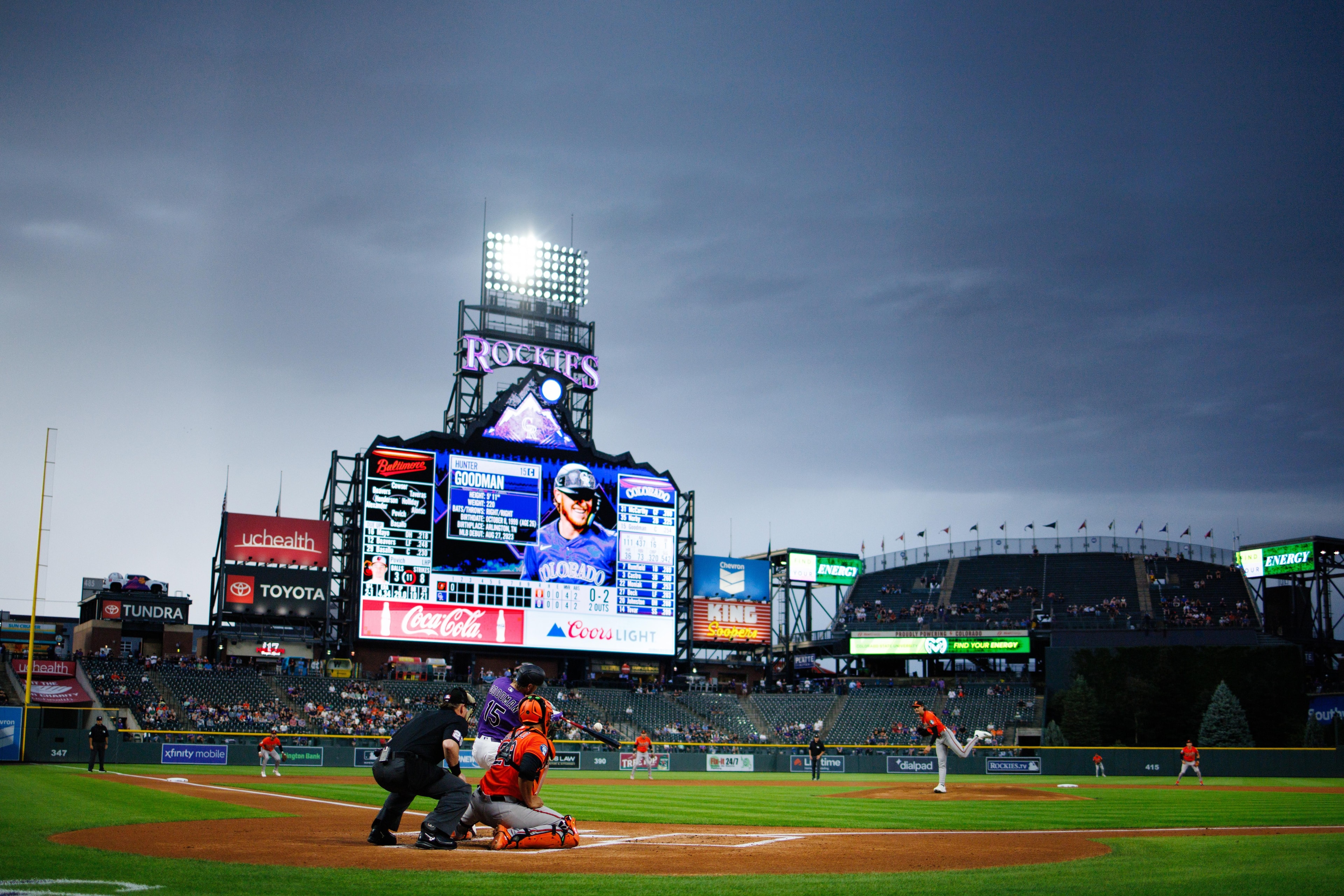
With the Division Series carrying the October spotlight, the Colorado Rockies’ attention shifts to the quieter work of shaping 2027, away from daily crowd noise and postseason urgency.
October’s loudest baseball moments are happening elsewhere, and that matters for how teams like the Colorado Rockies do their thinking. As the MLB Division Series runs its course, the calendar enters a slower stretch for clubs that are no longer playing postseason games. For non-playoff organizations, the daily churn of immediate results gives way to long-range evaluation, internal planning, and the early stages of building toward the next season.
A recent Rockies-focused roundup from Yahoo Sports framed the shift in practical terms. The piece points to the “slowest news cycle portion of the year” for teams outside October’s dance, where most public-facing attention naturally goes to the games with stakes and packed stadiums. In that environment, the Rockies’ task becomes less about reacting to one specific night and more about stacking incremental decisions that will eventually show up on the field in 2027.
The article’s emphasis is also emotional and logistical. It describes the Rockies’ offseason landscape as a move away from the din of regular crowds toward a quieter, more deliberate rhythm. That is not just a change in atmosphere, it is a change in what counts as progress. Instead of headlines tied to a single lineup decision, the work increasingly involves assessing player development tracks, looking for repeatable performance patterns, and deciding what kind of roster flexibility will be needed months later.
In MLB terms, this is the period when organizations often focus on preparation and prioritization. Even without new, high-profile announcements dominating the news, clubs still have to maintain continuity in how they evaluate talent across levels. For a franchise like Colorado, that typically means paying close attention to how skills translate as players move through the pipeline and into higher-leverage roles. It also means revisiting organizational needs, not as a one-summer problem, but as a multi-season process that spans incoming prospects and the refinement of existing players.
The Rockies’ “2027 starts to take shape” framing also highlights a key reality of modern baseball operations: the next season is never a clean reboot. Organizations build year-over-year, carrying forward lessons learned from player usage, development milestones, and roster construction experiments. When October is already filled with high-drama games for others, the Rockies’ parallel work becomes about aligning baseball decisions with what they expect to be available in the next cycle, rather than what is visible only in the immediate present.
For fans, the challenge during a slower news cycle is that it can feel like nothing is happening. But baseball planning is built on the kind of decisions that do not always arrive with urgency. When the Division Series winds down, more concrete updates usually become easier to verify, including clearer direction on roster-building targets and how the organization intends to address the gaps it believes exist.
What to watch next for Colorado is less about one specific transaction and more about the shape of the team’s priorities. As the offseason planning calendar moves forward, the Rockies’ public agenda will likely reflect what internal evaluations have surfaced: where the organization believes it can grow from within, where it may need outside help, and what types of players it wants to see in the next stage of the project. In other words, the “scaling” described in the roundup is not a single climb. It is the slow, methodical work of setting a route for 2027 before the next opportunity to compete arrives.
Why It Matters
- For the Rockies, early offseason planning is where long-term roster direction is set, even when public announcements are limited.
- The postseason lull changes what fans and reporters see, shifting attention from single-game results to evaluation timelines and organizational priorities.
- How Colorado builds toward 2027 will depend on translating minor-league and development assessments into MLB-ready roles over time.
- The next months will be important for understanding which internal areas the Rockies believe they can develop and which areas they may seek to supplement.
Sources
Key Facts
- The Yahoo Sports roundup focuses on the Colorado Rockies during MLB’s Division Series period.
- It describes a slower October news cycle for teams not playing postseason games.
- The story frames the moment as the beginning of shaping “2027” planning for Colorado.
- It emphasizes the contrast between postseason crowds and the quieter, internal work period for non-playoff teams.