
THE APEX TIMES
SDSU’s Stadium Scrimmage Offers a Glimpse of What the Aztecs’ Defense Could Be in 2026
A successful practice at Snapdragon Stadium has San Diego State looking to build momentum on defense, even with a defensive coordinator change heading into a new conference era.
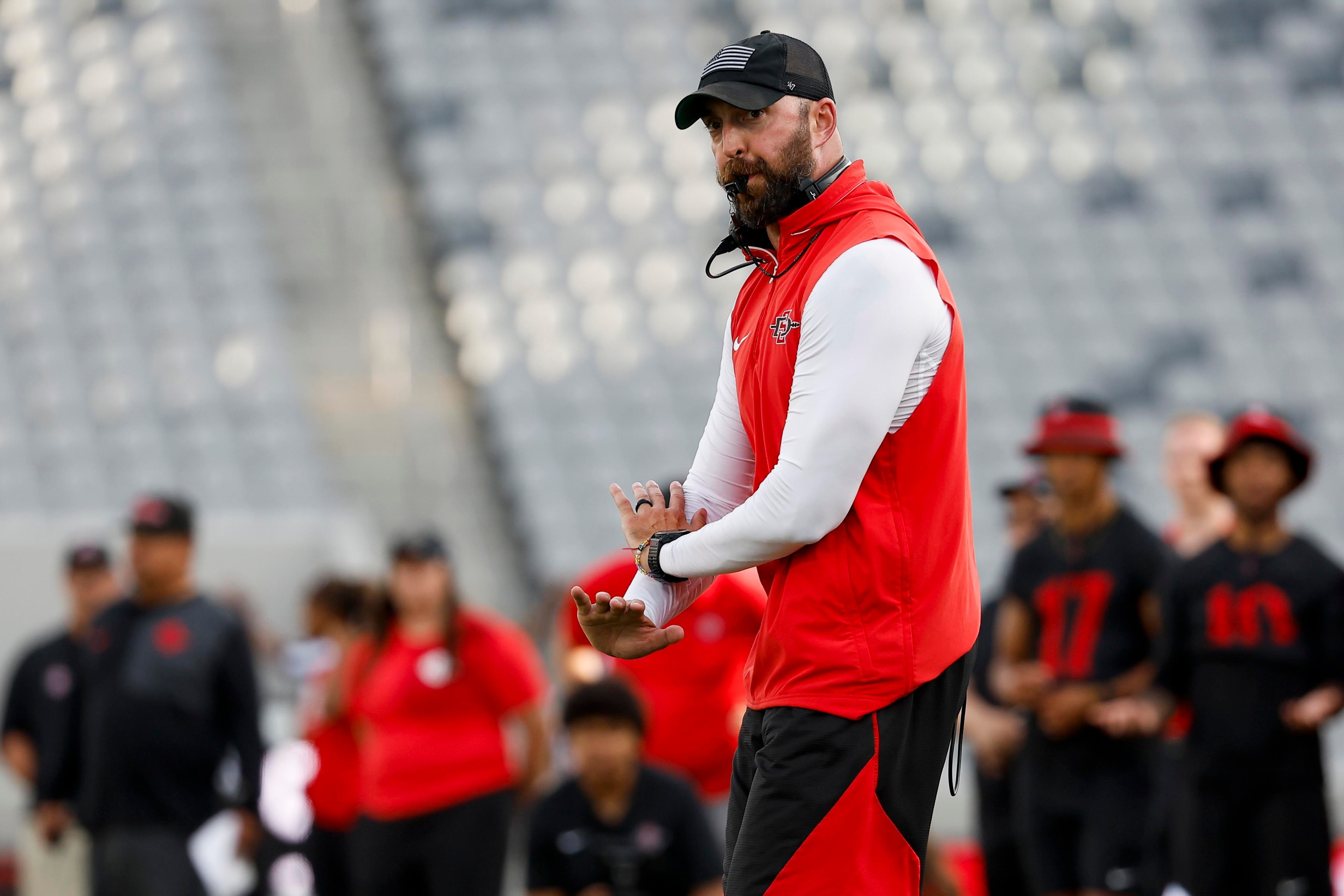
San Diego State’s fall camp has started with a defensive note of optimism. In a Saturday stadium scrimmage at Snapdragon Stadium, the Aztecs looked organized enough that the question is no longer whether the defense can function through change, but whether it can still play at a level comparable to last season, according to Yahoo Sports’ coverage of the session.
That matters because defensive identity is often less about a single game plan and more about the habits that show up every down. When a program loses a defensive coordinator, players must adjust to new calls, new rules for coverage and pressure, and a different “language” for what the sideline wants. The Yahoo Sports piece frames that coordinator turnover as an obstacle most programs would not choose, especially while preparing for a conference transition.
In this case, the report suggests the Aztecs treated the stadium scrimmage as a proving ground. A stadium setting is usually louder, faster-moving, and logistically different than routine practice fields, so the ability to hold structure and execute fundamentals becomes more visible. The story’s central point is that the scrimmage went smoothly enough to raise the possibility that the Aztecs can recreate the defensive intensity that characterized their recent success.
Beyond the coordinator change, there is a second challenge that comes with an offseason reset: re-establishing communication. College defenses rely heavily on indicates, pre-snap reads, and adjustments, and those mechanisms typically take time to standardize after staff changes. A “successful Saturday practice,” as described by Yahoo Sports, can be read as an early indicator that the unit’s communication and assignment discipline are coming together rather than fracturing under new leadership.
The Aztecs’ defensive staff will still be measured by how well the plan holds up when games force quicker decisions and when opponents test the scheme with repeated formations. Scrimmage performance is not the same as a regular-season opponent, but it does help coaches answer practical questions early: Are the linebackers making the right trigger decisions? Are the defensive backs aligned consistently? Are the front’s pressure concepts matching the coverage responsibilities?
This is also a timing story for SDSU’s recruiting and roster development. When a defense appears to be rebuilding efficiently, it can stabilize how coaches talk about roles to younger players and how experienced players respond to new expectations. If the defense is trending in the right direction, it can shape confidence on the roster and reduce the number of “teaching moments” coaches have to spend in August and early September.
Looking ahead, the key to this “return to last season’s heights” storyline will be whether the Aztecs can carry the scrimmage momentum into live-game rhythm. That means that the offseason questions behind the coordinator change must translate into consistent performance under full-speed pressure, not just controlled looks. If SDSU’s defense continues to show structure while absorbing new guidance, the Aztecs’ conference transition could arrive with the kind of stability that strengthens both recruiting credibility and on-field identity.
Why It Matters
- A defensive coordinator change can disrupt calls, communication, and assignment discipline, so an early sign of cohesion affects how quickly the unit can become game-ready.
- If SDSU’s defense plays with the same intensity as last season, it can shift the team’s ceiling and how it matches up defensively in a new conference slate.
- Scrimmage performance can influence both internal confidence and how coaches clarify roles for developing players ahead of the season.
Key Facts
- Yahoo Sports reported that San Diego State held a successful stadium scrimmage at Snapdragon Stadium.
- The Yahoo Sports story frames the scrimmage as an early test of whether SDSU’s defense can return to last season’s level.
- The report notes that the program is preparing for a new conference period while also dealing with the loss of its defensive coordinator.
- The article characterizes the coordinator change as a common obstacle teams face during offseason transitions.