
THE APEX TIMES
Seahawks’ 2025 rookie class has yet to deliver the same second-year payoff
A group that helped power Seattle’s Super Bowl run in 2025 has not yet shown the same level of steady, week-to-week impact in its second season, leaving the team’s “draft depth” narrative unfinished.
When the Seattle Seahawks won the Super Bowl last season, their rookie class was not just part of the story, it was a major one. According to Yahoo Sports, several of those 2025 draft picks became regulars or high-leverage contributors quickly, including Grey Zabel at left guard and Nick Emmanwori as a prominent defensive presence. Other rookies carved out defined roles as well, which helped make the Seahawks’ roster-building feel unusually efficient for a single draft cycle.
The same Yahoo Sports piece argues that the hoped-for second-year leap from that 2025 class has not materialized to the same degree yet. It frames the gap as a mix of factors, including the possibility of injury, the reality of roster math that can dilute playing time, and cases where performance has not matched early impact. In other words, it is less a claim that the players are gone or ineffective, and more that Seattle’s depth and development storyline has not repeated the sharp upward curve it showed during the championship season.
Among the names highlighted, Zabel is described as having started every game at left guard during the Seahawks’ breakthrough run. That kind of durability and trust can create expectations for a longer arc of improvement, but the second-year phase, as characterized by the report, has not delivered the same magnitude of contribution from the full group. The contrast matters because an offensive lineman who becomes an every-week starter in his first pro season typically sets the tone for both run game structure and pass protection continuity, making second-year growth a key marker for a team’s internal development.
On defense, Emmanwori is singled out for finishing second in Defensive Rookie of the Year voting as a sign of how productive and visible he was early. The article then points to a less dominant follow-up stretch in which the group’s overall “depth” value has not been as obvious. The Seahawks’ ability to pressure quarterbacks and create game-changing stops tends to depend on multiple players contributing simultaneously, so a defense that appears less saturated with young, high-impact talent can affect how opponents plan their protection and play-calling.
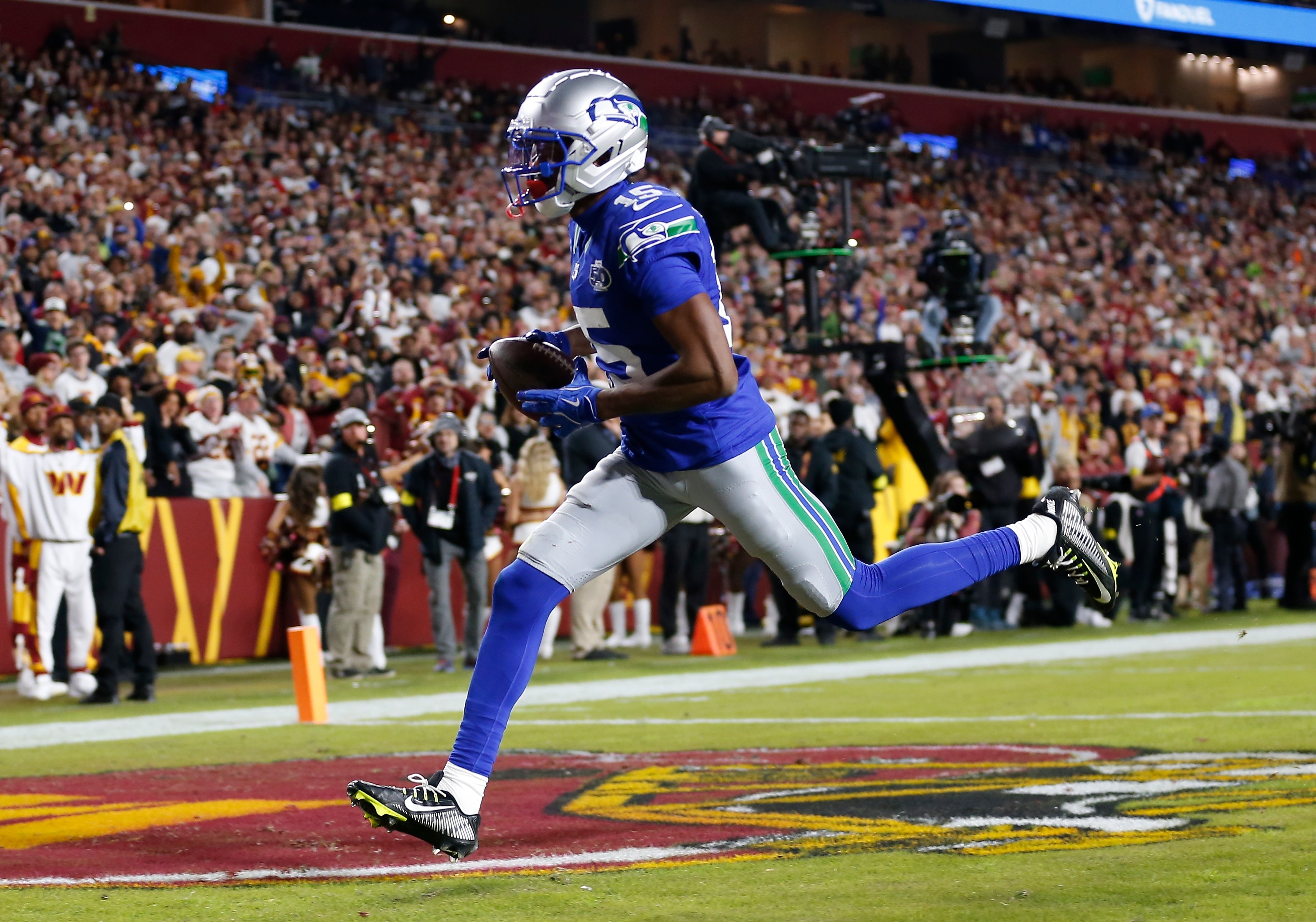
The report also credits Robbie Ouzts with receiving plenty of snaps as a big fullback, Tory Horton with scoring five touchdowns during the season before being placed on injured reserve for the year, and Rylie Mills with a quasi-redshirt path that included sacking Drake Maye in the Super Bowl. Those examples underline how the 2025 draft class contributed in different ways, from scoring and specialty roles to late-season postseason impact. The fact that the “finished” version of that development curve is not yet here, per the analysis, suggests Seattle may be leaning on a narrower set of contributors than it did in its title sprint.
The broader point is about how quickly fans and evaluators expect second-year players to confirm their rookie-season projections. In the NFL, even promising groups can be slowed by the natural churn of playing-time opportunities, scheme adjustments, and the constant need to earn snaps among established veterans. That said, the Seahawks drafted an unusually influential set of players in 2025, and a team that tasted championship-level benefits from rookies faces a high bar for replicating that same momentum.
For Seattle, what to watch next is not just whether individual players play, but whether the overall distribution of impact widens. If Zabel’s role continues to stabilize the line, and if the defensive rookies grow back into more consistently dominant weeks, the Seahawks could still convert their draft investment into a longer runway of roster flexibility. If not, then the second-year narrative will likely remain incomplete, and the 2025 class will be remembered more for its immediate championship utility than for sustained development gains.
Why It Matters
- A team’s ability to turn rookies into enduring starters often determines how much it can reload around a winning core.
- If the 2025 class is not producing the same weekly impact, Seattle may rely more heavily on veterans than it did during the championship run.
- Defensive depth influences how opponents game-plan, especially in late-game situations where pressure and stop-rate matter most.
Sources
Key Facts
- Seattle’s Super Bowl run included major contributions from multiple players selected in the 2025 draft.
- Grey Zabel is described as having started every game at left guard during the Super Bowl season.
- Nick Emmanwori finished second in Defensive Rookie of the Year voting, per the report.
- Robbie Ouzts received plenty of snaps as a big fullback, and Tory Horton scored five touchdowns before a season-ending injured reserve placement, according to the account.
- Rylie Mills’ developmental path included sacking Drake Maye in the Super Bowl, as described by the report.
- Yahoo Sports argues the expected “second-year leap” from this group has not yet happened, citing potential injury, roster-number effects, or uneven performance.