
THE APEX TIMES
Seahawks’ Mike Macdonald points to sharper fundamentals in second preseason showing
Seattle’s head coach said the operation-level work improved from the team’s opener, even as the preseason result did not swing the Seahawks’ way.
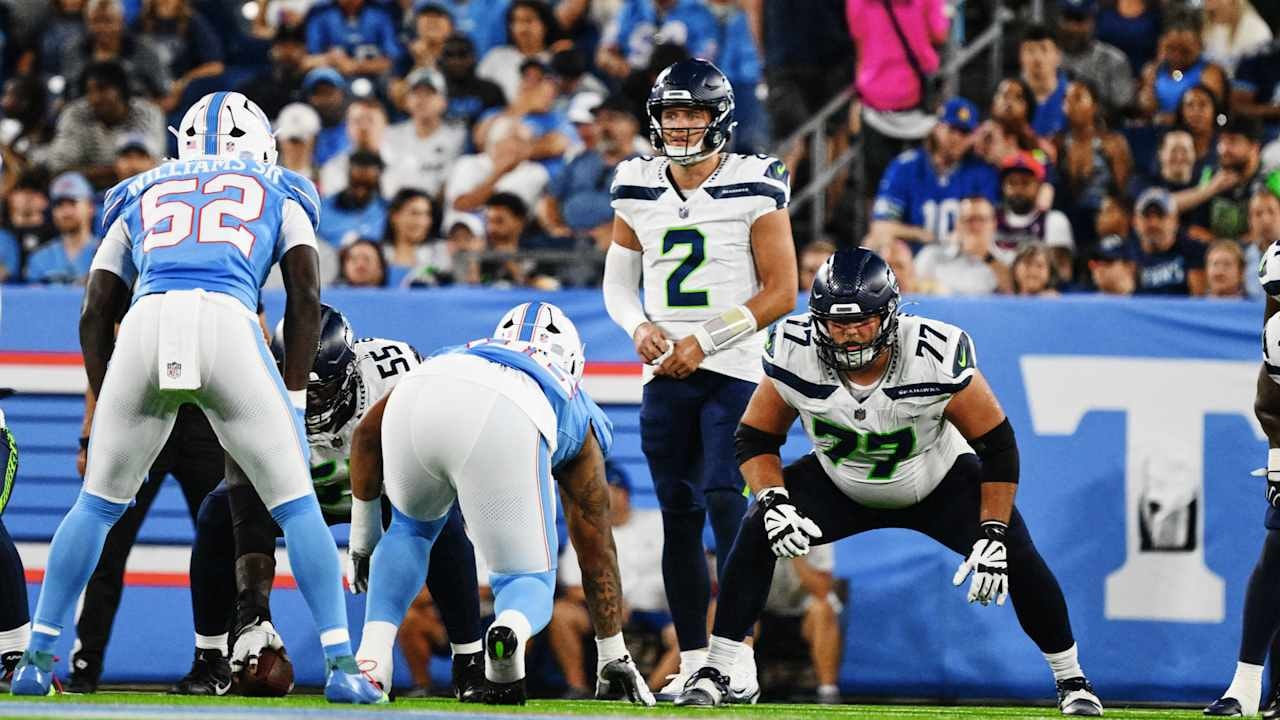
Seattle’s second preseason game offered a mixed picture for the Seahawks. While the team took a loss, head coach Mike Macdonald focused on what he believed was a meaningful step forward compared with the previous week, pointing to execution that was more consistent across offense, defense, and special teams. In his view, the clearest takeaway was not the final scoreboard, but the way the team approached the game plan and carried it out play to play.
Macdonald contrasted the effort with the Seahawks’ earlier preseason performance against the Dallas Cowboys, which he described as not meeting the standard he wanted. According to the team’s account of his comments, the first meeting fell short “up to par,” and the gaps were visible across phases. For the coaching staff, that made the second week’s emphasis on fundamentals and operation-level details especially important, because it turned the preseason into a live laboratory rather than a true evaluation of outcomes alone.
At this stage of the preseason, Macdonald is essentially coaching the “how” as much as the “what.” The Seahawks’ development work is focused on alignment, assignment discipline, and the small, repeatable habits that decide whether a play goes according to plan. In his remarks, he credited the week’s preparation for helping Seattle tighten its approach from one game to the next, even though the result did not show the same degree of improvement.
The coach also framed improvement as a process. He indicated that the Seahawks had taken the fundamentals message into the next preseason work, and that players executed with better clarity and consistency than they showed the week before. That kind of response matters in the preseason because rosters are fluid, roles are still settling, and the staff is trying to separate short-term flashes from dependable repeatability.
Special teams execution is part of that same standard, and Macdonald’s assessment described progress across phases rather than focusing only on one unit. In preseason, coaches often use the game to test communication and sequencing, including how quickly units react to movement and pressure and how efficiently they convert practice habits into live situations. Seattle’s staff, as portrayed in the team release, considered those operational elements a key benchmark.
Even with the improvements, the Seahawks still did not achieve the desired overall performance level in the matchup. Macdonald’s comments underscore a practical preseason reality: a team can look cleaner operationally and still lose a game because execution in football is cumulative, and preseason matchups can amplify mistakes by forcing players to adjust to different looks and personnel. The point for Seattle is to turn that friction into teachable corrections while the schedule still allows multiple repetitions.
Looking ahead, the relevant question is whether the fundamentals Macdonald emphasized continue to translate into each successive preseason plan. If the Seahawks maintain the clearer operational identity he described, the team’s remaining preseason work can become more productive for both player evaluation and role refinement. It would also suggest the coaching emphasis is landing in practice, not just in a single game day performance.
For fans and team observers, the next preseason week will likely be less about the score line and more about whether Seattle’s offense, defense, and special teams sustain the improved process. Macdonald’s framing makes the standard explicit: show that the corrections made from the Dallas game carry forward, and do it consistently enough that the staff can build confidence in the team’s baseline execution.
Why It Matters
- In the preseason, coaching staff priorities often center on repeatable execution, and Macdonald’s comments highlight how Seattle is judging progress beyond the scoreboard.
- Progress across offense, defense, and special teams can speed up role clarity for players competing for roster spots.
- If fundamentals carry forward, the Seahawks can use later preseason reps to refine more complex wrinkles rather than re-litigating basic assignments.
- The contrast with the Cowboys game makes each subsequent preseason week a test of whether corrections are sticking.
Sources
Key Facts
- Seattle played its second preseason game after a previous week loss to the Dallas Cowboys that coach Mike Macdonald said did not meet the standard he wanted.
- Macdonald said the Seahawks improved from the earlier preseason game, emphasizing more effective fundamentals and operation-level execution.
- His assessment included improvements across offense, defense, and special teams, rather than a single phase.
- Despite the reported improvements, Seattle still lost Sunday’s preseason game.
- The team’s comments framed the preseason as a process of correcting gaps from week to week, not simply chasing outcomes.