
THE APEX TIMES
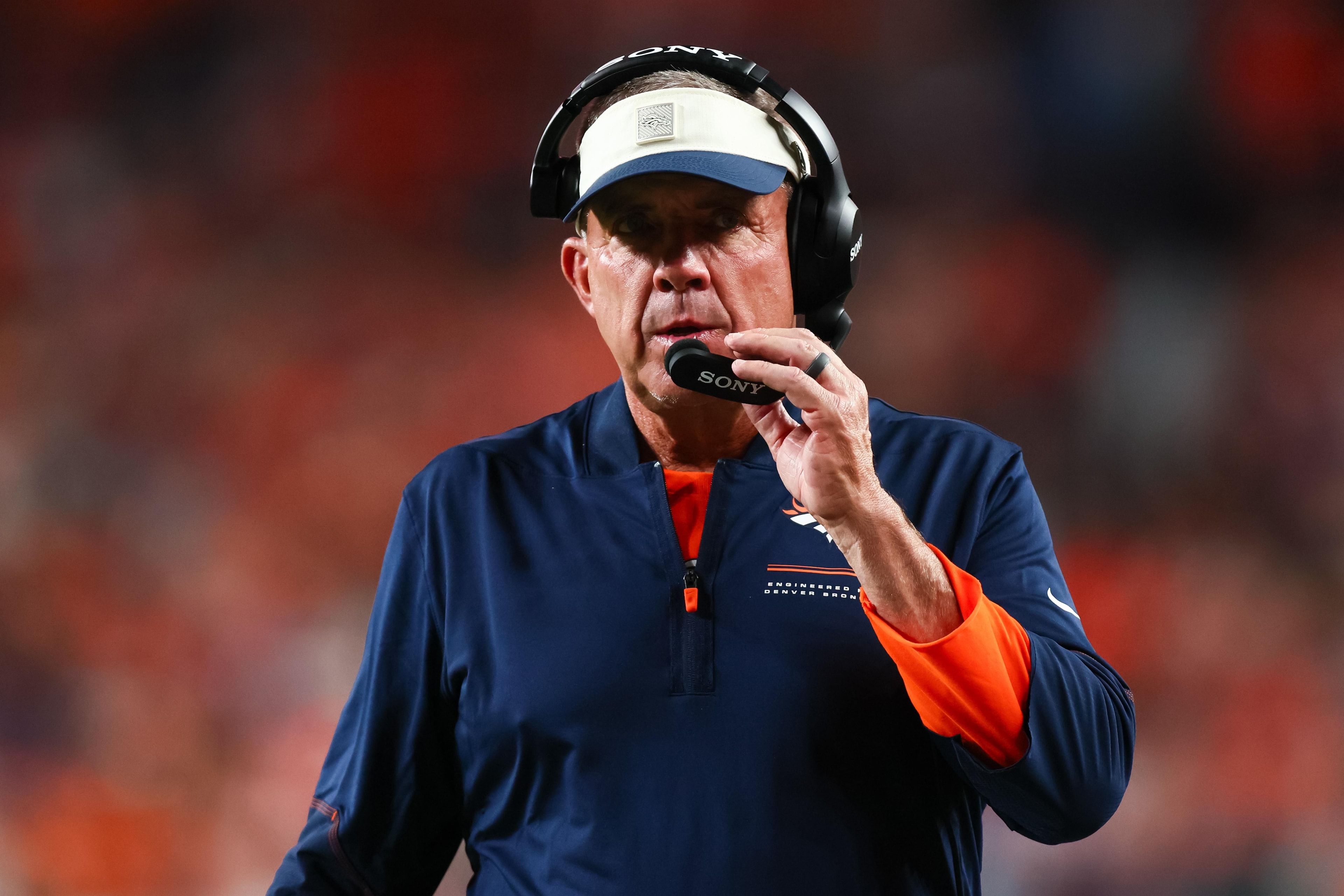
Sean Payton’s roster philosophy in Denver: make the roster bubble wrestle with hard choices
The Broncos coach’s message to players near the cut line, as the preseason winds down, is simple: your final audition should be your most demanding one.
Sean Payton has made his preference clear as the Denver Broncos move through the late stages of the preseason. In comments reported by Yahoo Sports, Payton said he wanted roster hopefuls, especially those on the bubble, to do the work that makes the organization’s final decisions as difficult as possible. In Payton’s framing, competing for a spot is not just about showing flashes, it is about forcing coaches to weigh value in real time when the calendar tightens.
The context matters because the final preseason game is treated as the last meaningful live window for players who have been one step away all August. Yahoo Sports’ report characterizes it as the last audition for roster bubble candidates, which turns Denver’s end-of-preseason evaluations into a high-stakes audition environment rather than a ceremonial closer. For fringe players, opportunities are still there, but the margin for error tends to shrink each week as teams sort out depth needs and special teams roles.
Payton’s approach, as described in the report, is built around competitiveness and clarity. Rather than settling early on favorites, the coach wants enough legitimate performance and separation to pressure the decision-making process. That does not mean everyone gets an equal outcome, but it does suggest Denver is aiming for a process in which players create their own momentum through execution, preparedness, and consistency in the moments that get evaluated.
For players on the bubble, the practical implication is that every drive and every rep in the late preseason becomes more consequential. In the usual roster math, coaches must not only decide starters and primary backups, they also determine who fits the team’s week-to-week ecosystem, including roles in pass coverage, run defense, situational offense, and the sport’s most unforgiving Swiss Army function: special teams. When Payton says he wants the decisions to be difficult, it reads like a demand for complete efforts, not highlight-only performances.
There is also a team-building logic behind Payton’s stance. When decisions are hard because multiple players have made legitimate cases, the roster can better reflect what coaches actually saw in game conditions. That can reduce the risk of carrying under-proven depth into the regular season or overreacting to limited samples earlier in camp. Payton’s comments, as reported, point to a coaching staff that wants the preseason to do its job, sorting out what is stable under pressure.
Still, it is important to keep expectations grounded. The report emphasizes the audition mindset and the desire to complicate roster calls, but it does not provide details on specific players, roster moves, injuries, or exact decision criteria. Coaches evaluate many factors that are not always visible in a single week, including practice habits, consistency across assignments, and how players process adjustments against live opponents.
What to watch next is how Denver’s final preseason evaluation translates into the initial regular-season roster shape. If Payton’s philosophy holds, the late preseason should produce clearer separation among players in the bubble segment, especially those competing for roles that require reliability rather than one-off impact. The Broncos’ week-to-week depth chart will ultimately show whether “spin the chair” becomes a catchphrase for accountability, or just another preseason line from a coach known for demanding execution.
In the end, Payton’s message to the roster bubble is about control: the club will make the cuts, but bubble players can influence how painful, or easy, those decisions feel. With the preseason closing in, the auditions are already underway, and Denver is indicating that the coaching staff wants them to be competitive enough to matter.
Why It Matters
- Roster bubble decisions can shape a team’s depth, special teams reliability, and flexibility in the regular season.
- Payton’s stated preference suggests Denver may put heightened emphasis on late preseason game performance when making final calls.
- How the Broncos respond to the “make us spin the chair” challenge can indicate whether internal competition produces clearer role definition.
- The approach can affect player confidence, because it indicates that coaches are watching for sustained execution late, not only early flashes.
Key Facts
- Sean Payton told players on Denver’s roster bubble that he wanted their final auditions to make roster decisions difficult for the coaching staff.
- The last preseason game is described as the last audition for roster bubble candidates.
- Payton’s comments emphasize competitive performance during the late preseason evaluation window.
- The report frames the late preseason as a high-stakes time for bubble players to show they fit Denver’s needs.
- The story focuses on Payton’s decision-making philosophy rather than specific roster moves or players.