
THE APEX TIMES
Sean Strickland says UFC fighters can’t retire on their own terms, citing lingering injuries and declining motivation
The middleweight champion raised questions about fighter pay and long-term security after describing how injuries have affected his desire to stay in mixed martial arts.
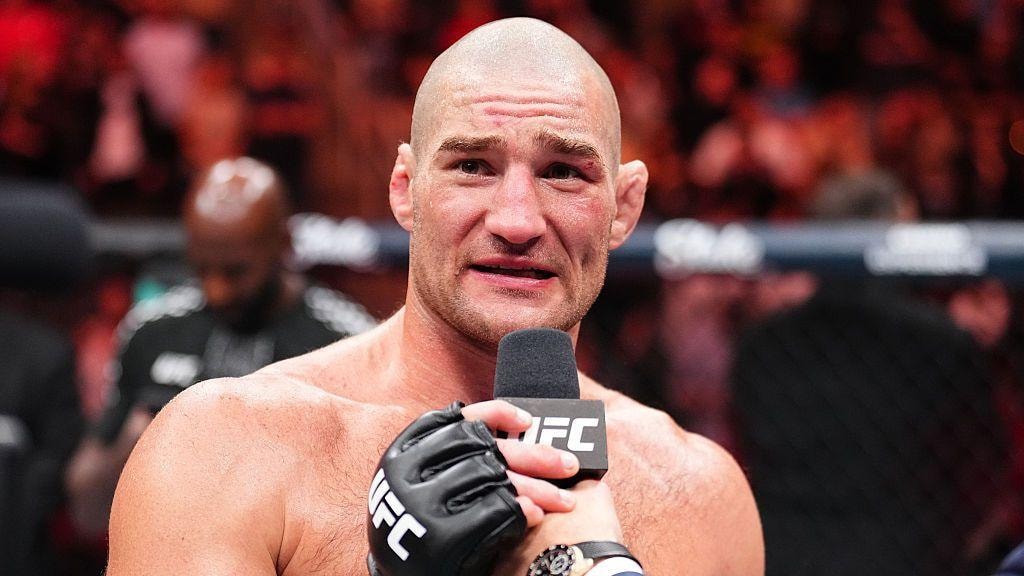
UFC middleweight champion Sean Strickland said UFC fighters are not paid enough to retire on their own terms, framing the issue as both financial and personal. In comments reported by Yahoo Sports, the 35-year-old said his “heart isn’t in MMA anymore,” adding that a run of injuries, including problems in his groin and shoulder, has shaped how he views the sport moving forward.
Strickland’s critique lands at a moment when UFC’s business model continues to be debated by fighters and observers. Fighters are expected to deliver marquee performances in a promotion that monetizes pay-per-view events, sponsorships, and streaming audiences, but Strickland’s central argument is that the compensation structure does not consistently match the physical cost of competing at the top level.
According to the report, Strickland criticized the promotion earlier in the week, tying his dissatisfaction to the reality that injuries can determine a fighter’s timetable. His point was not presented as a one-off complaint after a single setback, but as a longer-running concern that, once a fighter’s body is compromised, the usual option of stepping away cleanly may not be available without financial strain.
Strickland’s remarks also highlight a tension inside modern MMA careers. Many fighters do not choose retirement as a purely strategic decision. Instead, their departures can be driven by medical limitations, recovery timelines, and the uncertainty that follows a setback. By linking retirement timing to pay, Strickland put a monetary deadline on a sport that is already demanding on athletes’ bodies.
The champion’s comments come with a practical caveat: public frustration about compensation does not automatically translate into a negotiated change in a promotion’s payment practices. Still, vocal criticism from a reigning champion can influence how fans, media, and fighters interpret ongoing conversations about fighter upside, sponsorship exposure, and whether athletes can realistically plan for life after their competitive peak.
For the UFC, Strickland’s stance is a reminder that champion narratives can carry broader meaning beyond one titleholder. If other fighters decide to speak more forcefully about incentives and injury risk, the sport could face renewed pressure to address how earnings and protections are structured for athletes who build careers through intense training and high-impact competition. Fans will also watch whether Strickland’s message affects his public demeanor and preparation as his status as champion continues into whatever comes next in the division.
In the near term, the key question is how the UFC responds to critiques framed through the lens of retirement and injury. Even without immediate policy changes, the story matters because it reframes “heart” and motivation as part of a compensation debate, not only as an athlete’s personal condition. That framing could shape how audiences read future fighter comments about long-term sustainability in MMA.
Why It Matters
- Strickland’s comments add weight to ongoing debates about fighter pay and long-term financial security in MMA.
- By tying retirement timing to injuries, the criticism highlights how medical uncertainty can constrain career decisions.
- As a reigning champion, Strickland’s perspective may influence how other fighters and fans interpret UFC’s compensation structure.
- The remarks could increase scrutiny of how the UFC supports athletes once their bodies limit their ability to compete.
Key Facts
- Sean Strickland, the UFC middleweight champion, said UFC fighters are not paid enough to retire on their own terms.
- In the report, Strickland described a loss of motivation, saying his “heart isn’t in MMA anymore.”
- The comments linked his outlook to injuries, including issues in his groin and shoulder.
- Strickland made the criticism earlier in the week, according to Yahoo Sports.
- The discussion centers on the financial and personal realities of staying in MMA despite injury risk.