
THE APEX TIMES
Seaver King delivers the kind of defensive spark the Nationals covet
In Rochester, the Nationals’ shortstop prospect showed why his athleticism is more than highlight-reel energy, turning a midgame moment into momentum.
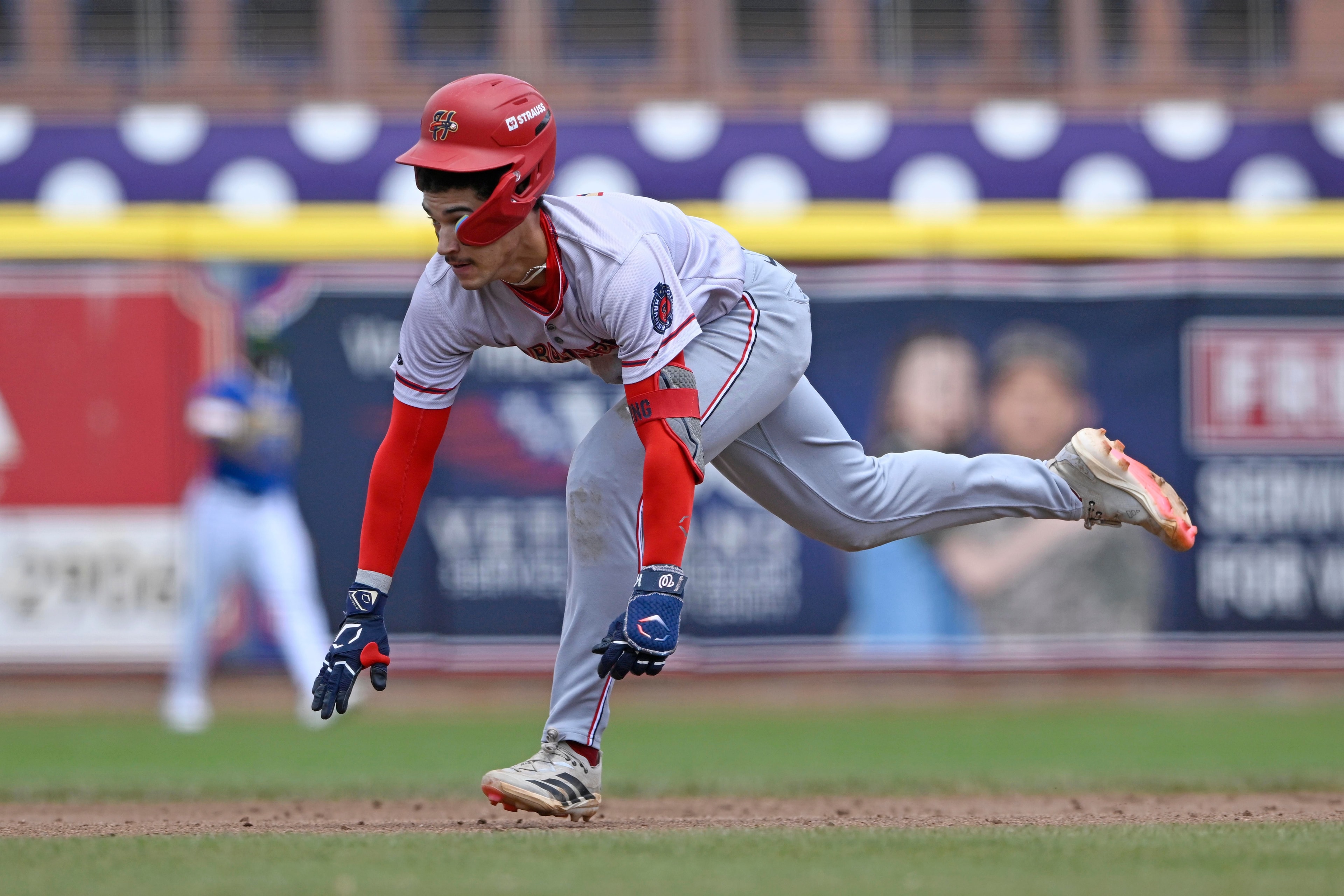
On Sunday, Seaver King’s two-way impact came through in a single sequence: with the game in motion in the fourth inning, the Washington Nationals’ shortstop prospect fired a 90 mph throw to first base to help complete an inning-ending double play. The play did not just erase a threat, it also underlined the specific brand of aggression and athletic tempo that has made teams value King’s defensive upside.
The setting matters. King was on the field for the Rochester Red Wings against the Charlotte Knights, a matchup that typically brings a fast pace and constant baserunning pressure, where middle-infield instincts are tested every inning. When an out is recorded or a double play is completed, timing and footwork have to line up perfectly, and King’s throw was described as a rocket that met the moment.
Beyond the mechanics, the account emphasized how King responded immediately after the play, visibly energized as he headed back toward the dugout. That reaction is not a stat, but in baseball development it often indicates how a player carries himself during the long stretches between impact plays, especially at shortstop, where every defensive half-inning can turn into another chance to make a difference.
For Washington’s organizational perspective, the shortstop position is where athleticism, range, and the ability to execute under pressure tend to show up first. King’s value, as described, is tied to the combination of movement and arm strength that can turn routine plays into outs in tight windows, and that same skill set is often what separates “promising” from “ready” as prospects climb levels.
It is also a reminder that development is cumulative. A single highlight can draw attention, but the most important part of King’s Sunday inning is that his best trait surfaced at the exact time a game sequence demanded it. An inning-ending double play changes the feel of a contest, and middle infielders are usually the catalyst when those turning points happen.
What to watch next is whether King can repeat this kind of defensive intensity over a full stretch of games. In the Nationals’ system, the path from prospect to dependable contributor is usually built on consistency: clean footwork on routine chances, quick transfers, and accurate throws when plays need to be made fast. If King keeps showing that mix of speed, arm, and competitive energy, this will be the kind of evidence the organization can point to as it evaluates its next shortstop options.
Why It Matters
- A successful double play is a high-leverage defensive impact, and shortstops often determine whether those opportunities turn into outs or runs.
- King’s combination of arm strength and competitive energy aligns with what the Nationals generally prioritize at premium middle-infield spots.
- If King’s flashes become repeatable, they can accelerate how quickly Washington can evaluate his readiness at higher levels.
- Defensive consistency in the middle infield can also influence how an organization plans around infield depth and development priorities.
Key Facts
- Seaver King, a Washington Nationals shortstop prospect, was featured in Rochester on Sunday against the Charlotte Knights.
- In the fourth inning, King made an athletic defensive play that helped complete an inning-ending double play.
- The throw described in the report was clocked at 90 mph to first base.
- After the defensive sequence, King showed visible enthusiasm as he returned toward the dugout.
- The report framed King’s play style as a blend of athleticism and energy.