
THE APEX TIMES
Seiya Suzuki looks back on five Cubs seasons, and the moments that almost were
In a reflective MLB interview timed to his time in Chicago, the former Cubs star talks about why his swing felt calm early, the fascination around his arrival, and the “what ifs” that followed during his five-year run.
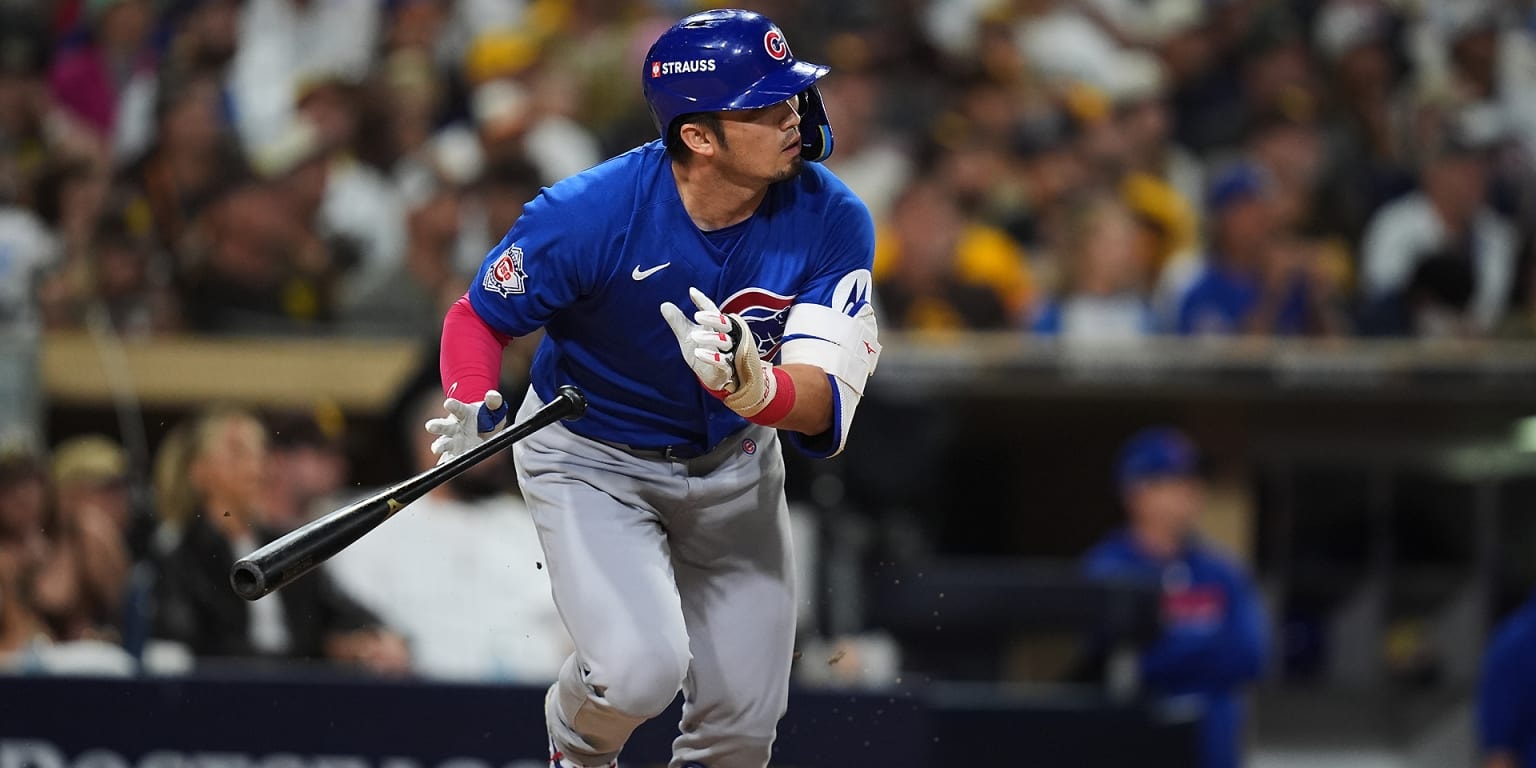
Seiya Suzuki spent the first morning of his Cubs experience at Sloan Park in Arizona batting practice, surrounded by a kind of attention that rarely has to be explained. The Cubs had signed him from Japan, and there was curiosity about what the hype would translate into once Major League pitching got real. In an interview with MLB, Suzuki described the scene as a “captive audience,” a moment where the swing mechanics drew instant focus, before the ballflight did the talking.
Suzuki’s explanation of his early approach centered on calm. He recalled the start of his swing with his front leg lifting and compressing slowly, the handle moving back like an archer drawing an arrow, and then the sequence that follows when power takes over. What stands out in his retelling is not just the imagery, but how he framed it as a process he could repeat, even with expectations around him. The fascination was there from the beginning, and Suzuki said his job was to let the routine carry him through it.
Five years later, the reflection turns less into technique and more into evaluation. Suzuki’s interview is anchored by two parallel ideas: the “good times” that came with making Chicago his home and the “what ifs” that lingered as seasons changed. He did not present a neat moral lesson about any single stretch. Instead, he described the way a player’s internal story can hold both pride and regret, especially when a career is measured in years rather than highlight clips.
That dual lens matters because Suzuki’s Cubs tenure has always been about transition. He arrived as an international centerpiece, and his role evolved as the franchise moved through different team-building phases. In the interview, he revisits that personal arc by looking back at the moments that felt on the verge of becoming something more, alongside the moments he learned from when they did not. The “what ifs” are presented as part of playing, not as a public debate, and they give the piece a quieter weight than a standard season recap.
What Suzuki does emphasize is the connection between expectation and experience. The early fascination, he suggested, was about projection, what scouts and fans believed could happen. The later reflection is about lived reality, what actually did happen when the game adjusted and seasons accumulated. By framing his mindset as calm, then candid, Suzuki offers a window into how players manage pressure, not through slogans, but through repeatable habits and honest self-assessment.
For Cubs followers, the interest now is mostly interpretive: what parts of Suzuki’s approach helped him feel grounded, and which parts of his story will feel incomplete to him as time moves on. His comments also set a tone for how to understand his years in Chicago, not only as a statistical summary, but as an experience shaped by adaptation, learning, and the inevitable branches in a professional career.
As the offseason context continues to take shape, Suzuki’s perspective can serve as a reminder that player legacies are built from routines as much as from outcomes. The Cubs, like every team, will be judged on production, but the human throughline matters too. Suzuki’s interview does not ask fans to revise the record. It asks them to understand the process that made the record possible, and the “what ifs” that still follow when the last chapter is written.
Why It Matters
- International signings often carry added projection, and Suzuki’s reflection helps explain how players translate hype into routine at the Major League level.
- For the Cubs, understanding the experience behind a five-year run adds context to roster history and the long arc of team-building.
- Suzuki’s emphasis on mindset highlights how professional hitters manage pressure through repeatable mechanics rather than momentary bursts.
Sources
Key Facts
- Seiya Suzuki reflected on his first days with the Cubs, including the batting practice atmosphere at Sloan Park in Arizona.
- Suzuki described his swing start as calm, with his front leg lifting and compressing slowly before the rest of the motion.
- The interview frames his time with Chicago as “five years” that included both “good times” and “what ifs.”
- MLB’s interview positions the early fascination around Suzuki as tied to the Cubs’ expectations for his power and transition from Japan.