
THE APEX TIMES
Seiya Suzuki’s grand slam ignites Cubs power surge at Coors Field
With the ball carrying at Coors Field, the Cubs’ offense reappeared in a big way as Seiya Suzuki delivered a home run performance that included a grand slam and capped the team’s first three-homer game since late April.
It did not take long for Seiya Suzuki to make a statement once the Cubs arrived at Coors Field. In Thursday afternoon’s game against the Rockies, the left field wall did its usual work, and once a pitch cleared down the left-field line, Suzuki immediately turned it into a moment that cut through a stretch of inconsistency for Chicago’s lineup.
The MLB account of the game describes Suzuki powering the Cubs into a rare offensive peak. His display included a grand slam, one of those swings that changes a contest’s rhythm by turning a normal inning into a scoreboard problem. The article further notes that his performance was part of the Cubs’ first three-homer game since April 25, a useful milestone for a team that has been searching for consistent production.
At Coors Field, offense can swing quickly due to the altitude and the way routine fly balls can end up as extra-base damage. Still, a three-homer game requires more than favorable conditions. The Cubs had to generate multiple chances, sustain pressure, and translate those opportunities into clean swings. Suzuki’s contribution provided the kind of single-event spark that can shift an entire game from chasing rallies to controlling the pace.
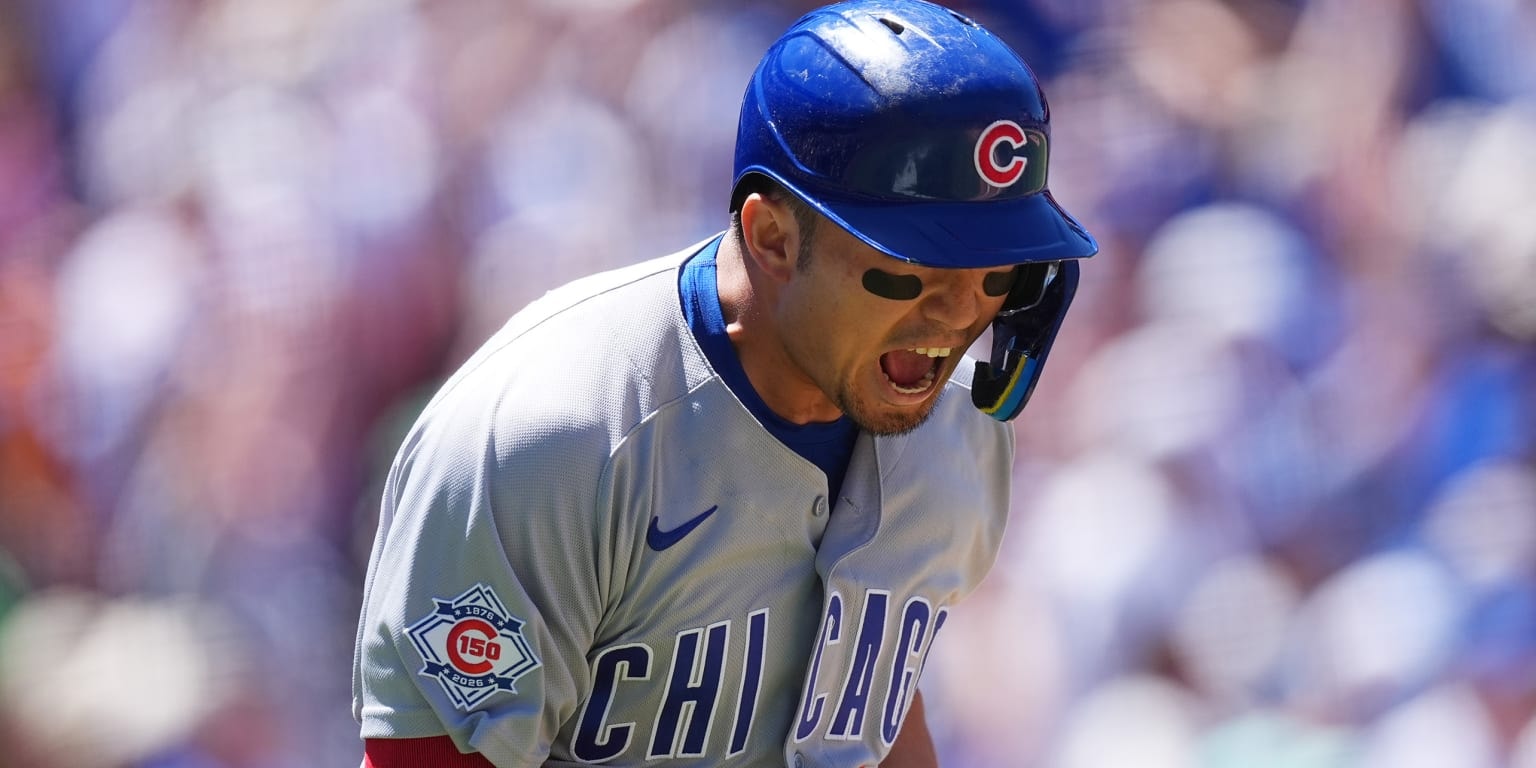
Suzuki’s circuit around the bases, as described in the MLB write-up, captured the emotional lift that followed. The reporting frames it as a release valve after several frustrating weeks, with the Cubs getting the kind of collective statement they were missing. In many dugouts, one hitter’s big blow serves as permission for others to be more aggressive, particularly against pitchers who may tighten up after falling behind.
While the grand slam stands out as the headline, the broader takeaway is the shape of the Cubs’ offense in that frame. A three-homer game is often an indicator that the lineup found its timing and sequencing, not just that one at-bat went well. For Chicago, returning to that output matters because sustained runs of offense are typically built on repeated execution, not one-off results.
For fans, the immediate story is how quickly the Cubs’ night-or-day turning point arrived. For the team, the larger question is whether the power output can be repeated when conditions normalize. Coors can flatter hitters, but it also tests them. Pitchers adjust, and boundaries matter. If the Cubs can draw from this game’s approach and apply it on other roads, Suzuki’s burst can become more than a single highlight.
The next step for Chicago is to see whether the three-homer standard holds up against different pitching styles and different ballparks. Suzuki’s ability to create game-breaking damage is a stabilizing force when the lineup needs to escape prolonged scoring droughts. Watching how the Cubs respond in subsequent games will show whether Thursday’s surge was an isolated surge or the start of something more durable.
Why It Matters
- Suzuki’s grand slam provides a clear example of how the Cubs can create separation quickly when their bats are timed and aggressive.
- A three-homer game is often a sign that a lineup found more than one productive look, which can be important for building momentum over a longer stretch.
- The performance is especially notable given the timing milestone, marking a return to that level of power production after late April.
- The Cubs’ ability to carry the approach from Coors Field to other venues will be a key storyline going forward.
Key Facts
- Seiya Suzuki hit a grand slam for the Cubs in Thursday’s game against the Rockies at Coors Field.
- The MLB report describes the Cubs’ first three-homer game since April 25.
- Suzuki’s home run cleared the wall down the left-field line at Coors Field, according to the game account.
- The grand slam and additional homers helped fuel an offensive breakthrough for Chicago after a stretch described as frustrating in the report.