
THE APEX TIMES
Sens Rewind: The 2011 Reset That Looked Inevitable, and the 2017 Rebuild That Took Years
Fifteen years after the Ottawa Senators began a rebuild that never quite found its footing, the storyline is still the same one fans remember: key pieces moved, replacements did not arrive quickly enough, and the playoff drought followed.
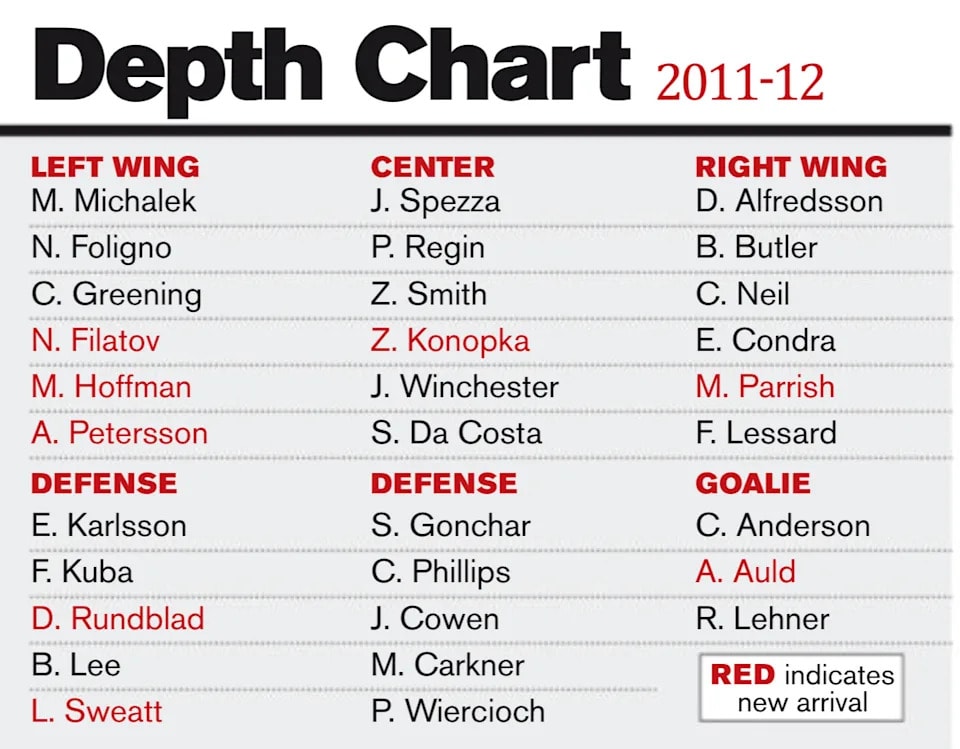
The Ottawa Senators have been through plenty of turning points, but two chapters stand out in the franchise’s recent memory, and both begin with the same uncomfortable theme. Entering the 2011 training camp, expectations were not particularly high, with the organization having moved some key players and not doing much to replace them on a fast timeline.
That approach, whether by design or necessity, matters because hockey rebuilds are judged on more than intent. They are measured by how quickly the team can replenish the roster with impact talent, and how soon the lineup can start producing meaningful results again. In Ottawa’s case, the “rewind” framing highlights that the early indicates were there, even before the rebuilding years became unavoidable in the standings.
By the time the Senators reached the 2017 Eastern Conference Final, the franchise had shown it could still push to the second round of the playoffs. But according to the review, the run did not slow the next shift in direction. Before long, the Senators began a major rebuild that, in hindsight, seemed to take forever.
What makes the second chapter especially striking is the consequence that followed. The Senators ultimately missed the playoffs for the next seven seasons, and that sustained absence is the through-line that turns an offseason change into a multi-year narrative. Rebuilding in the NHL can take time, but prolonged stretches without playoff hockey usually reflect more than “growing pains.” They reflect a broader mismatch between roster turnover and the arrival of the next wave of players.
The article’s core argument, as framed in its look back, is that the Senators did not merely transition from one roster to another. They made decisions that altered the competitive picture, and the replacement plan was not sufficient to keep the team in the playoff conversation for long. That is the kind of lesson that often defines front-office evaluations, because fan expectations and internal timelines collide most sharply when the team’s ceiling is repeatedly delayed.
For readers trying to understand what to watch next, the answer is less about the immediate past and more about how the franchise manages the space between “moving on” and “replacing.” When key players leave, the NHL requires a steady pipeline, whether through internal development or targeted acquisition. Ottawa’s history, as recalled here, suggests that if that pipeline is slow or uneven, the standings consequences can last far longer than any single season.
The Senators’ recent history is therefore not just a list of seasons and outcomes. It is a cautionary timeline in which rebuilds overlap with opportunity, and where the difference between a short reset and a drawn-out rebuild often shows up in playoff absence. That is what this rewind is getting at, and why it still resonates 15 years later.
Why It Matters
- The Senators’ playoff drought illustrates how long roster transitions can reshape a franchise’s competitive window.
- It highlights the importance of timing between player departures and the arrival of meaningful replacements in NHL rebuilds.
- The franchise’s rebuild narrative remains a useful yardstick for evaluating how quickly a team can return to playoff contention.
Sources
Key Facts
- The Senators had low expectations entering the 2011 training camp due to moving some key players and not replacing them significantly.
- After reaching the 2017 Eastern Conference Final, the Senators began a major rebuild.
- Ottawa missed the playoffs for the next seven seasons following that rebuild period.