
THE APEX TIMES
The Pirates’ No. 3 prospect used six scoreless innings to post eight strikeouts for High-A Greensboro, tying his best punchout total and reinforcing a swing-and-miss reputation that has caught MLB attention.
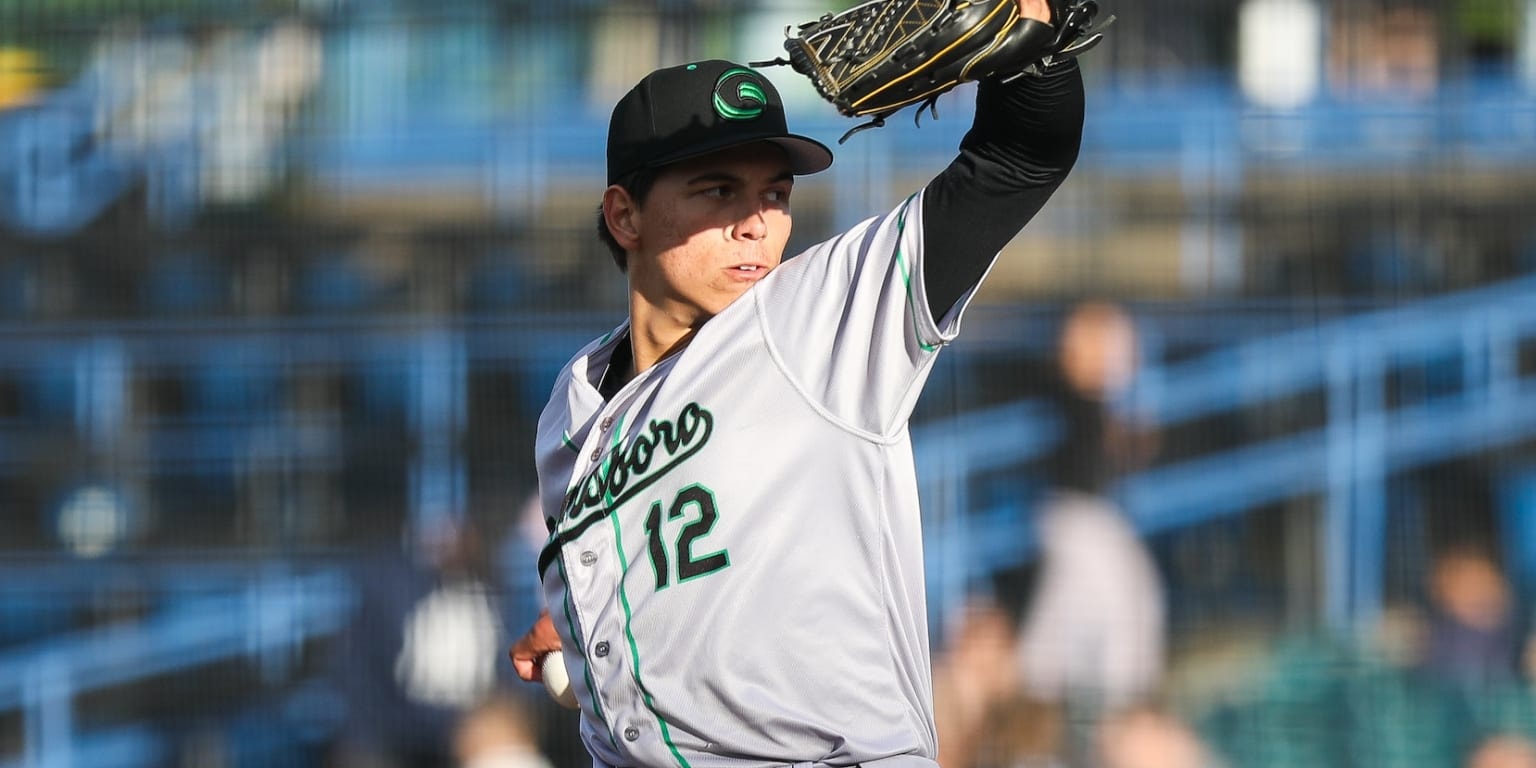
Seth Hernandez reminded everyone why the Pirates have viewed him as one of their more dynamic pitching prospects, returning to form with a sharp start in High-A Greensboro’s 5-1 win over Winston-Salem at Truist Stadium on Saturday. Hernandez logged six scoreless innings and finished with eight strikeouts, a total that matched the best he has recorded since joining the Grasshoppers. The performance also helped him reclaim the organizational and league-wide conversation around strikeout production in the minors.
This was not a “just survive” outing. According to MLB’s account of the start, Hernandez’s eight punchouts came while he kept the opposition off the scoreboard for the duration of his time through the lineup, giving Greensboro length it could build on and setting the tone for a day when the offense produced enough runs to secure the win. For a pitcher in High-A, the emphasis is often on development, command patterns, and repeatable sequences, but strikeouts remain one of the cleaner markers of a prospect’s ceiling, because they reflect both stuff and execution.
MLB framed the outing as Hernandez “reclaiming” the strikeout lead, adding a bit of historical context by comparing his current profile to Felix Hernandez, one of the game’s most notable high-velocity, high-rotation ace types from a different era. That type of comparison tends to resonate because Felix Hernandez’s peak is remembered for the combination of dominance and swing-and-miss over an extended stretch. It is a stylistic comparison more than a claim of identical career paths, but it underscores the level of attention Hernandez is drawing while pitching as an advanced prospect.
The setting matters, too. High-A Greensboro is a launching pad for pitchers who are expected to show more than raw talent. The ability to miss bats consistently at that level suggests a pitcher can create separation from hitters, not simply benefit from an early count. Hernandez’s eight-strikeout output, paired with six scoreless innings, indicates a repeatable advantage over at least that specific Winston-Salem lineup. It is also the kind of performance that can shift a prospect’s internal status, especially when his recent run has included enough variation to make “reclaiming” meaningful.
For the Pirates, the immediate value is twofold. First, it helps validate the organization’s pitching evaluation, particularly for a prospect labeled as the organization’s No. 3. Second, strong innings from a starting prospect can support future roster planning at the minor-league level, because innings accumulation matters for both development and measurement. Even when a player is several steps away from the majors, a start like this provides data points the system will weigh when determining whether to push him toward higher levels or allow time to refine command and pitch-to-pitch consistency.
The bigger watch item is what happens next, not just how good Hernandez looked on Saturday. Strikeout totals can rise quickly when a pitcher finds a sequencing groove, and they can also swing when hitters adjust. Because MLB highlighted this outing as a return to Hernandez’s best, the key question going forward will be whether he can sustain similar bat-missing performance across subsequent starts, keeping the strikeout pace aligned with the “ace” ceiling his comparisons imply.
For bettors and fans alike, the temptation is to treat a single game as a turning point. It’s better to treat it as a checkpoint. Hernandez has now shown the ability to deliver a high-impact start in High-A with both length and missing bats, and the Pirates will likely use that as one more foundation as he continues climbing through their pitching pipeline.