
THE APEX TIMES
Seth Trimble and Skyy Clark highlighted among early 5th-year college commitments for 2026-27
With NCAA eligibility rulings still reshaping the postseason picture, more players are locking in their plans for a 5th season. This week’s crop of notable commitments includes Seth Trimble and Skyy Clark, both drawing attention as teams build for next year’s rotation.
College basketball recruiting is moving faster than usual for next season, and a major reason is the continuing availability of court-ordered 5th years of eligibility. Over the past week, several players used the window to commit to schools for the 2026-27 season, either to return to a familiar program or to pursue a new opportunity through the transfer path.
The NCAA’s repeated losses in court have left the 5th-year framework in place long enough to become a central offseason recruiting storyline. Rather than treating it as an edge case, teams are now planning whole roster roles around players who can still add an extra season of development and eligibility.
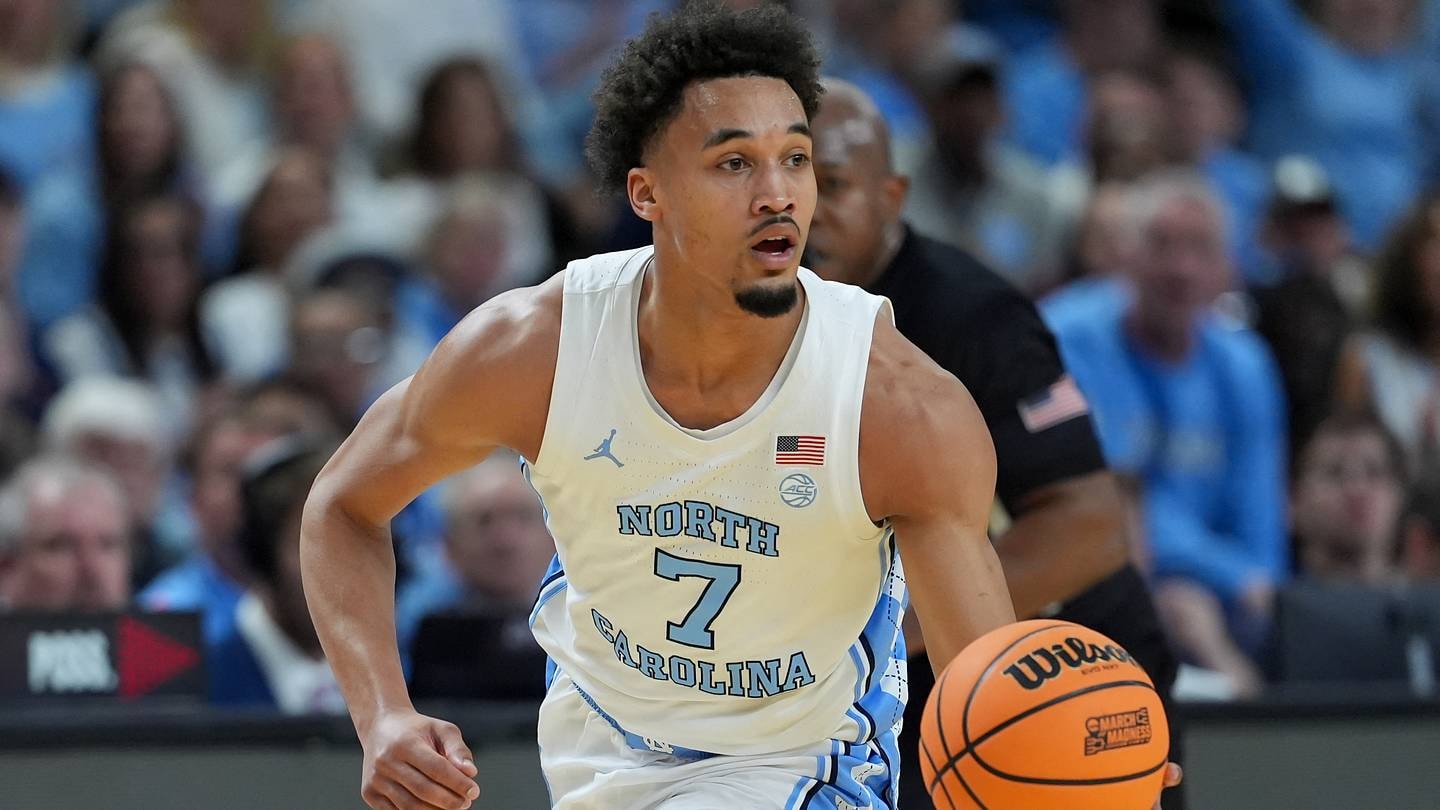
Among the names generating early buzz is Seth Trimble, who was listed among the week’s top 5th-year commitments. His decision matters less as a headline than as a roster template for what coaches are prioritizing in this cycle: experienced ball skills, proven on-court responsibility, and the ability to plug into an established team structure.
Another player included in the same week’s top group is Skyy Clark. Like many 5th-year prospects, the commitment indicates that a player’s next step is no longer purely about “what if” development. It is about securing a destination and a role, with the extra year functioning as leverage for both fit and timing.
The pattern across this kind of recruitment is straightforward. Players with a 5th year can weigh returning against transferring, and schools can pursue immediate contributions without waiting for full long-term development timelines. That gives offseason recruiting a sharper edge, especially for teams hoping to improve their balance at guard, wing, or frontcourt spots with an older, steadier presence.
What to watch next is whether the early commitments turn into a broader shift in team-building strategy across conferences. If more players follow Trimble and Clark’s lead, offseason depth charts may start to look more “final” sooner, while other recruits and transfers may adjust their own timelines to avoid being outflanked in the 5th-year market.
Why It Matters
- Fifth-year availability is changing how teams plan rosters, with recruiting now targeting experienced players for immediate roles.
- Early commitments can affect the transfer portal’s momentum, because destination schools fill spots sooner and remaining options narrow.
- If this pace continues, more programs may reshape their offseason strategy around fit and rotation needs rather than pure long-term development.
- The 2026-27 title picture could tilt based on which teams secure the most impactful 5th-year contributors early.
Sources
Key Facts
- A week’s list of notable 5th-year college basketball commitments highlighted players using court-ordered extra eligibility for 2026-27.
- The reporting attributes the surge in decisions to the NCAA repeatedly losing in court, keeping 5th-year eligibility available.
- Seth Trimble and Skyy Clark were named among the top 5th-year commitments of the week.
- The commitments include decisions to return to an existing program or to enter the transfer process to go elsewhere.