
THE APEX TIMES
Soto’s mistake turns the lights out for Pirates late, underscoring bullpen volatility
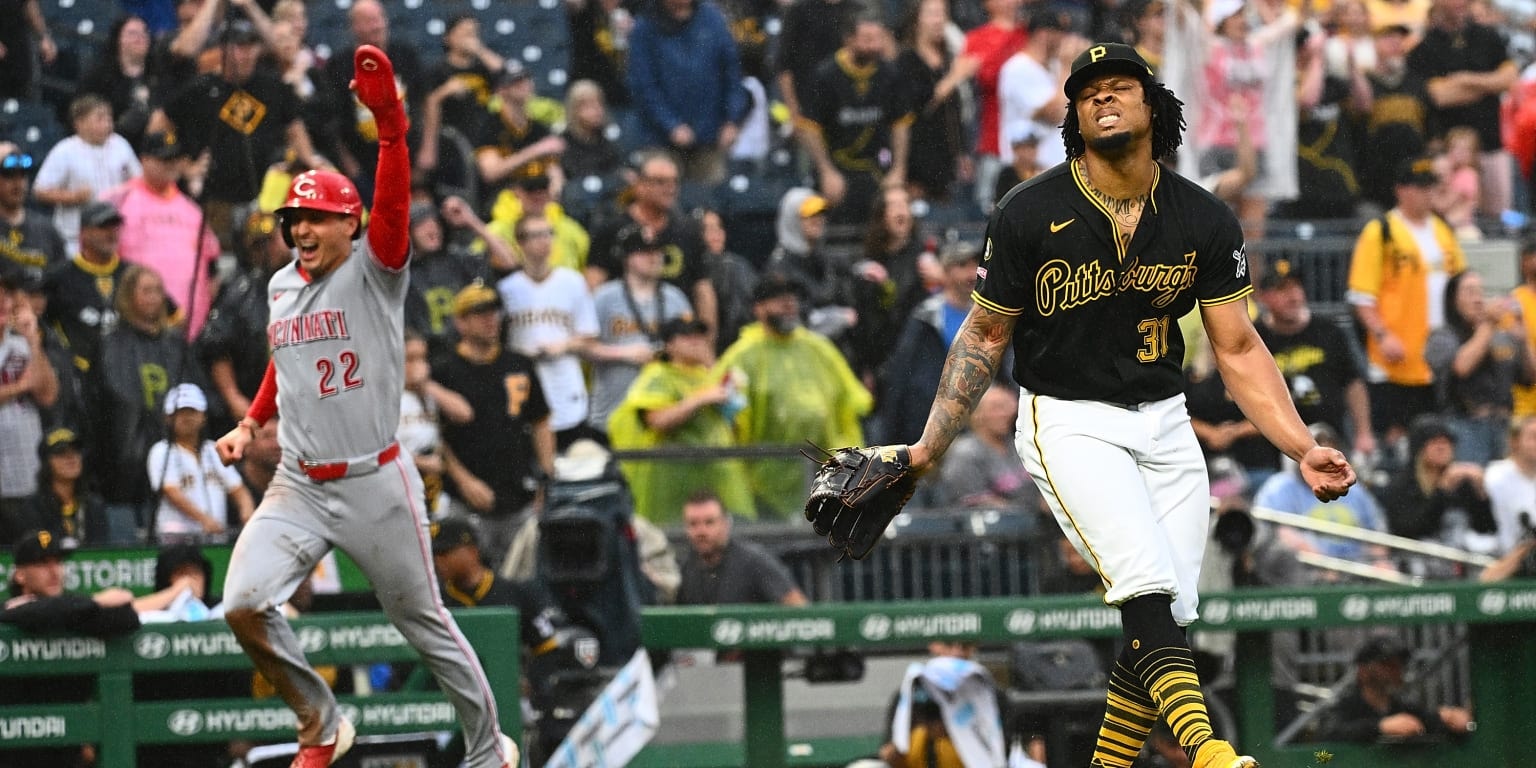
Pittsburgh needed one more strike to complete a comeback at PNC Park, but Gregory Soto’s 2-2 pitch choice backfired, a reminder that the margin for error has been razor-thin in late innings.
One more strike was all the Pirates needed to finish a comeback at PNC Park on Saturday. Instead, the leverage moment flipped quickly, and the bullpen, which has been charged with protecting leads and closing out tense finishes, hit a low point. Gregory Soto took the mound with a chance to end the inning and, on a 2-2 count, delivered a pitch that cost Pittsburgh the separation it needed.
According to MLB’s account of the game, Soto’s pitch was a fastball located over the middle of the plate rather than the more precise target that would have ended the at-bat. The result was a blown save, and the Pirates watched their late-inning plans unravel in the space of a single pitch. In close games, that is how quickly bullpen struggles can become permanent memory for a team.
The deeper issue for Pittsburgh is not simply one outing, but what one outing reveals. A closer’s job is to be consistent when hitters press and the plate gets small. When a team repeatedly needs late outs from the same high-leverage roles, every “almost” matters, because almost is not a win. Even without breaking down pitch-by-pitch beyond the one described, the storyline is clear: the Pirates were one strike away, and the bullpen failed to convert the opportunity.
For context, the Pirates’ season has placed a premium on getting to the late innings with a lead and then converting the final outs. When a bullpen unit cannot reliably secure those outs, it forces the offense into a more desperate script, because it has to manufacture runs knowing the margin for holding them is limited. A blown save at home also changes the emotional texture of the game, turning what could have been a defining comeback into a cautionary tale.
Gregory Soto’s role also amplifies the stakes. As the pitcher tasked with finishing, his mechanics, location decisions, and sequencing choices tend to be scrutinized more than those of earlier relievers. On this day, the MLB report described a 2-2 fastball served in the middle of the zone, a pitch that gives major-league hitters the best possible chance to make contact and keep the inning alive. In late-inning baseball, that is the difference between “one more strike” and “now you’re starting over.”
The Pirates will now be looking inward at what their bullpen needs to do differently in the moments that decide games: tighten decision-making on counts like 2-2, trust the pitch plan, and get the kind of location that prevents hitters from turning mistakes into fair balls. One outing does not define a reliever’s whole body of work, but it does expose where execution broke down under stress.
What to watch next is how Pittsburgh responds immediately after a high-profile bullpen letdown. The most practical questions are whether the team alters how it sequences late hitters, how it uses its bullpen arms in subsequent close games, and whether it can restore the calm, repeatable execution that turns a “needing one more strike” moment into a win rather than a reset.
Why It Matters
- Late-inning outcomes swing both game-to-game results and broader team momentum, especially when a bullpen is expected to finish.
- A blown save on a single pitch highlights how quickly bullpen performance can negate late offensive efforts.
- If the Pirates cannot consistently protect leads in the final frames, their playoff and standings path becomes harder and more volatile.
Key Facts
- The Pirates were in a late-game situation at PNC Park and needed one more strike to complete a comeback.
- Gregory Soto entered in the high-leverage moment and allowed a tying or game-changing outcome, resulting in a blown save.
- On a 2-2 count, Soto threw a fastball over the middle of the plate, according to MLB’s game story.
- MLB framed the appearance as part of ongoing bullpen struggles for Pittsburgh.