
THE APEX TIMES
South Side Sox reflect on the “punch” that defined the Chicago Crosstown, and the stakes of the next series
With another meeting between the White Sox and Cubs approaching, the 2006 brawl remains the rivalry’s loudest reference point, even as this season’s matchup carries fresh expectations for Chicago’s South Side.
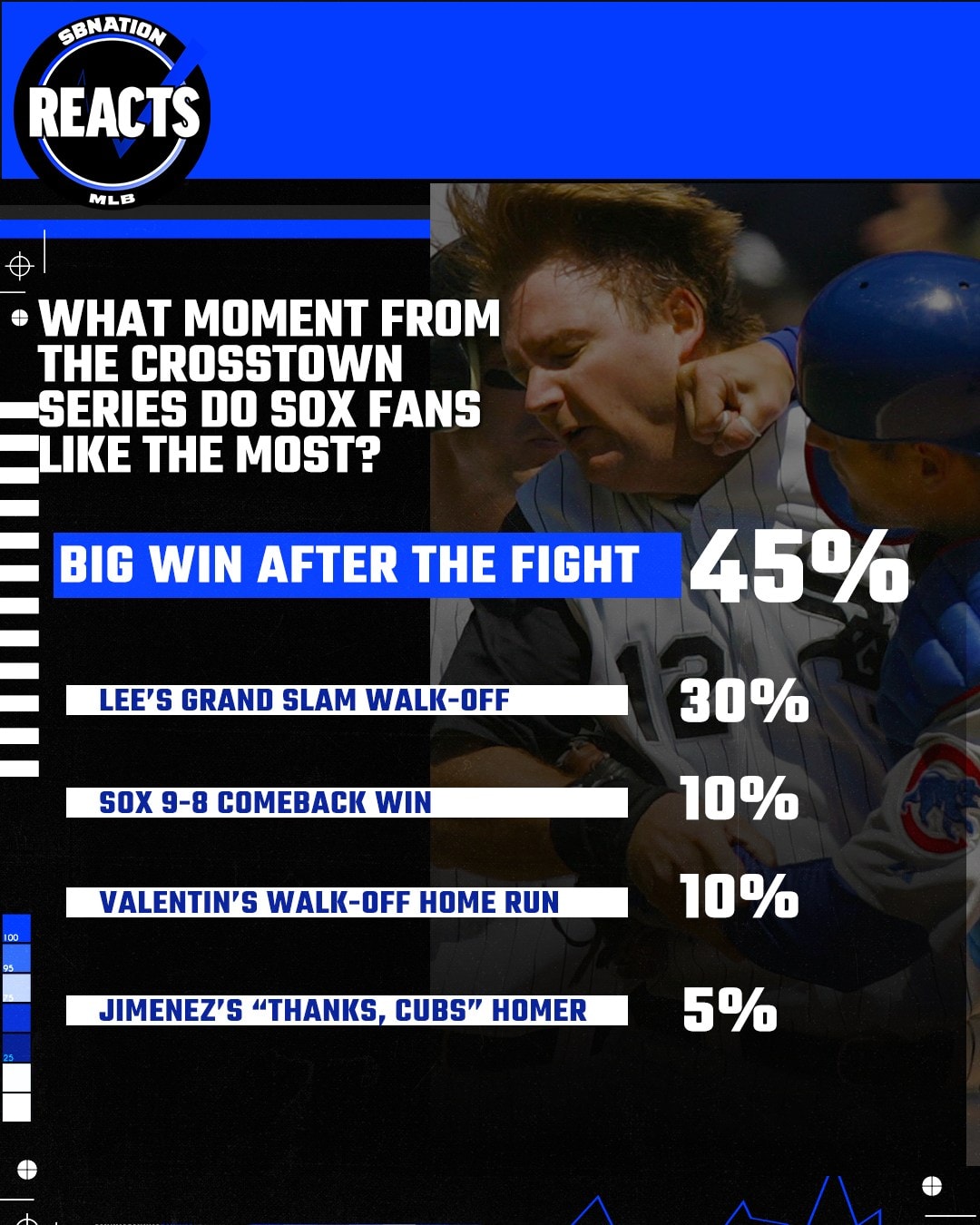
The Chicago Crosstown always has its share of built-in heat, but one moment still sits above the rest in the public memory, the 2006 brawl. In a review timed for the second Crosstown series of the season, South Side voices point to that incident as the rivalry’s defining “Punch” moment, the benchmark for how far these games can drift when tensions boil over.
Heading into this next set of games, the conversation is not only about history. The season’s second Crosstown series is being framed with more anticipation of success for the White Sox than the first one back in May, according to the way the moment is being revisited in current coverage. In other words, the rivalry story remains the same, but the emotional scoreboard has shifted.
What makes the 2006 brawl such a durable reference point is that it became shorthand for the Crosstown’s texture: two fan bases, two identities, and a long-running sense that bragging rights mean more than standings points. Even when the calendar moves on, the rivalry’s most extreme night keeps resurfacing as a way to measure every subsequent spike in emotion.
This kind of retrospective matters because interleague showdowns are often judged on the margins. For Chicago, the games with the Cubs are not simply another matchup on the schedule, they are recurring tests of momentum and focus, and they come with a heightened awareness that small decisions can look bigger under the rivalry spotlight.
The White Sox-Cubs relationship has also served as a kind of cultural touchstone for both sides. The 2006 incident is frequently treated as the peak example of what “classic Crosstown” can mean, and that framing shapes how fans interpret the next meeting, whether they expect fireworks or hope the teams can channel the rivalry energy without it spilling into chaos.
The immediate question for this second series is whether the White Sox can turn the higher expectations into results on the field, while also keeping the tone of the games where it belongs, competitive but controlled. The rivalry will still feel personal, but the difference now is that the narrative is tilting toward outcomes, not just memories.
For fans and observers, the most watchable element is how each club responds to early tension. Crosstown history suggests emotions can rise quickly, but the modern version of this rivalry is also about discipline and composure, because one charged sequence can define a game the way 2006 is remembered across generations.
Why It Matters
- Interleague rivalry games like this one are built not only on talent and standings, but on momentum and psychological edge.
- The White Sox’s expectation-setting, as described in coverage, makes this series about more than bragging rights.
- The durability of the 2006 brawl in fan memory underscores how single-game chaos can define long-term rivalry storytelling.
Key Facts
- Coverage ahead of the second Chicago Crosstown series of the season revisits the 2006 brawl as the rivalry’s standout “punch” moment.
- The matchup narrative is framed as carrying more anticipation of success for the White Sox than the earlier May series.
- The 2006 incident continues to serve as a benchmark for what fans consider “classic” Crosstown emotion and intensity.