
THE APEX TIMES
Spagnola: Cowboys show an encouraging first step toward fixing slow-start reputation
Dallas’ preseason win does not affect the regular-season standings, but the early theme from training camp and the game environment centered on playing with defensive discipline, getting production from the depth, and continuing an emerging quarterback competition.
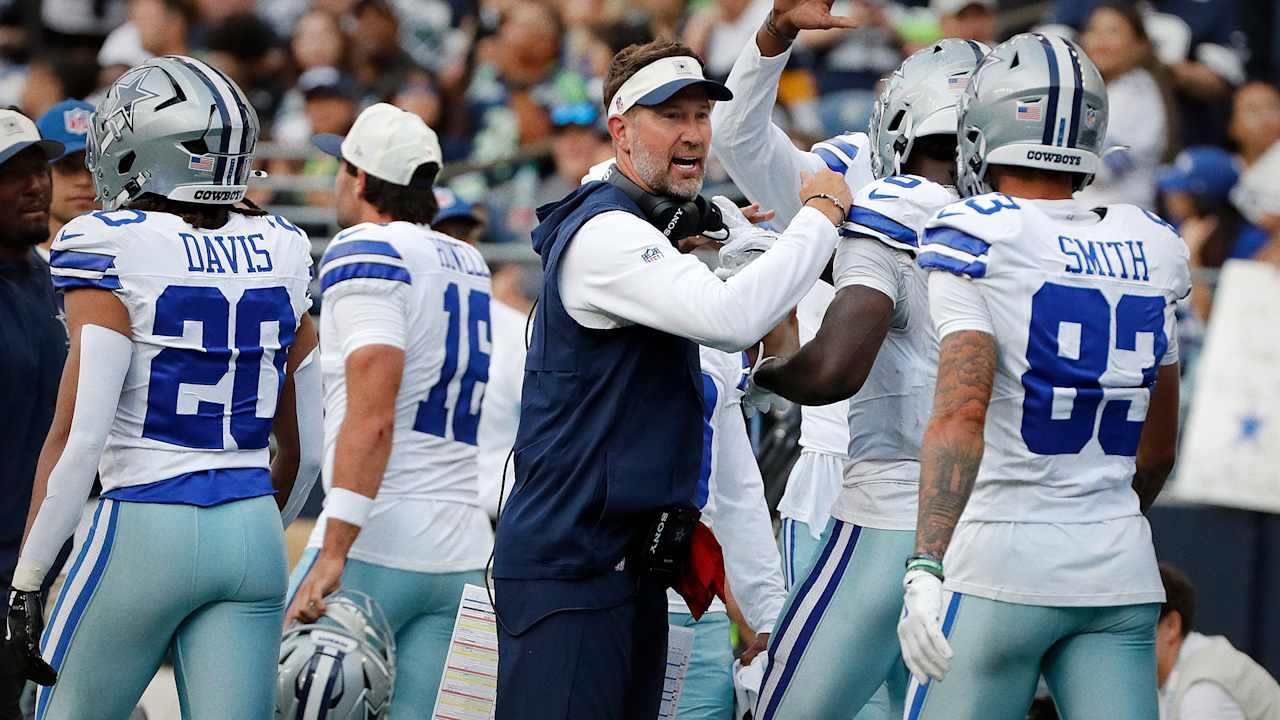
The Cowboys’ preseason victory on Sunday did not move their position in any standings race, but it served as a public measuring stick for a team that has often been criticized for slow starts. In a new write-up, Todd Spagnola framed the win as more than a scoreboard result, pointing to the process elements Dallas appeared to emphasize from the opening phases of the game through late-game reps.
A recurring concern with any NFL team is how quickly it can translate preparation into execution once the first whistle goes. Spagnola’s central point is that Dallas looked steadier at the beginning than the “old fad” narrative suggests, with defensive play and overall structure providing a foundation that can carry into later downs. In that sense, the preseason matters less as a standings device and more as a stress test for the team’s early-game identity.
Defensively, the article stresses discipline, implying that the Cowboys’ approach in the game aligned with a focus on assignment clarity and staying within the plan rather than chasing problems. In practical terms, that kind of discipline is often what keeps training-camp habits from unraveling when tempo and personnel packages change, particularly in a preseason environment where rotations force lineups to adapt quickly.
Spagnola also highlighted the value of the Cowboys’ depth, treating it as a meaningful positive even outside the context of regular-season record. Preseason wins can be deceptive when starters dominate small samples, but coaches and beat writers place extra weight on whether second and third options can maintain standards. The encouragement, as presented in the piece, is that the Cowboys found enough from beyond the top of the roster to keep momentum from fading once the initial rhythm passed.
Another theme in the story is quarterback competition, specifically in the backup tier. The preseason often functions as the most visible platform for reserve quarterbacks to create separation on timing, decision-making, and command of the offense under different defensive looks. Spagnola’s framing suggests the competition is “emerging,” meaning that reps are producing clearer indicates about who can handle the role when starters are not on the field.
Taken together, the story reads as a forward-looking assessment rather than a declaration that the Cowboys have fully solved the problem implied by their reputation for slow starts. Even when teams play well early, NFL outcomes still depend on consistent execution across four quarters, and preseason games can reflect matchup and rotation variables. Still, the article’s emphasis is that Dallas did not wait until later to look organized, disciplined, and ready to play.
What to watch next is whether the early-game readiness described in the piece can survive the transition from preseason tempo to the full-speed rhythm of the regular season. If Dallas keeps showing defensive structure early, gets reliable production from its depth in more than one game, and narrows the backup-quarterback pecking order based on sustained quality, the first-step optimism in the write-up could carry into August’s final weeks and beyond.
For now, the most reliable takeaway is thematic: the Cowboys’ preseason win, as characterized by Spagnola, offered an encouraging template. Not because preseason results carry standings weight, but because the areas highlighted align with what NFL teams need to avoid repeating the same early-game issues, game after game.
In the NFL, reputations can be stubborn, and fixing them is usually a matter of repeated habits. Spagnola’s report positions Dallas as closer to that goal than it has appeared in past narratives, largely because of discipline on defense, steadier early execution, and visible competition within the quarterback depth chart.
Why It Matters
- How a team starts games can influence everything that follows, from play-calling comfort to defensive risk tolerance, and Spagnola’s framing suggests Dallas looked more prepared early than its reputation implies.
- Depth performance in the preseason can be a better indicator than starter-only statistics of whether the team maintains standards during rotation-heavy stretches.
- Backup quarterback separation matters for overall roster stability and in-game contingency planning once the regular season begins.
- Defensive discipline is often the most transferable skill from camp to the regular season, particularly when lineups shift quickly.
Key Facts
- Todd Spagnola’s Aug. 16 piece evaluated the Cowboys’ preseason win as an encouraging sign toward overcoming a reputation for slow starts.
- The article emphasizes that preseason results do not affect regular-season standings, but the game still functioned as a process test.
- Spagnola highlights defensive discipline as a key factor in how the team started and sustained play.
- The write-up also points to contributions from Dallas’ depth as a meaningful part of the positive takeaway.
- The story frames the backup quarterback competition as continuing to develop through preseason reps.