
THE APEX TIMES
Spencer Jones seeks swing help from Richard Schenck, as the Yankees add another key offseason decision
A reported swing overhaul trip to work with Aaron Judge’s personal instructor underscores how much the Yankees value development, even as their minor-league prospects search for fixes that can survive major-league pitching.
The Yankees’ next wave of batting development has a new chapter. According to Yahoo Sports, outfielder Spencer Jones spent part of his offseason work with swing instructors, making a trip to see Richard Schenck, who is closely associated with Aaron Judge’s hitting approach. The reported goal is straightforward: identify and correct the holes in Jones’s swing that have shown up in past results, particularly his swing-and-miss tendencies at the minor-league level.
That mission comes with context. Jones has long been viewed as a power-oriented prospect, but strikeouts can decide how much playing time a hitter earns once the quality of pitching rises. Yahoo’s account frames the motivation in development terms, describing Jones as determined to eliminate the problems that helped contribute to an “astronomical” strikeout rate in his minor-league career. While the specific numbers were not restated in detail in the report, the theme is clear, his representatives and hitting staff believe his path to the majors runs through more consistent contact.
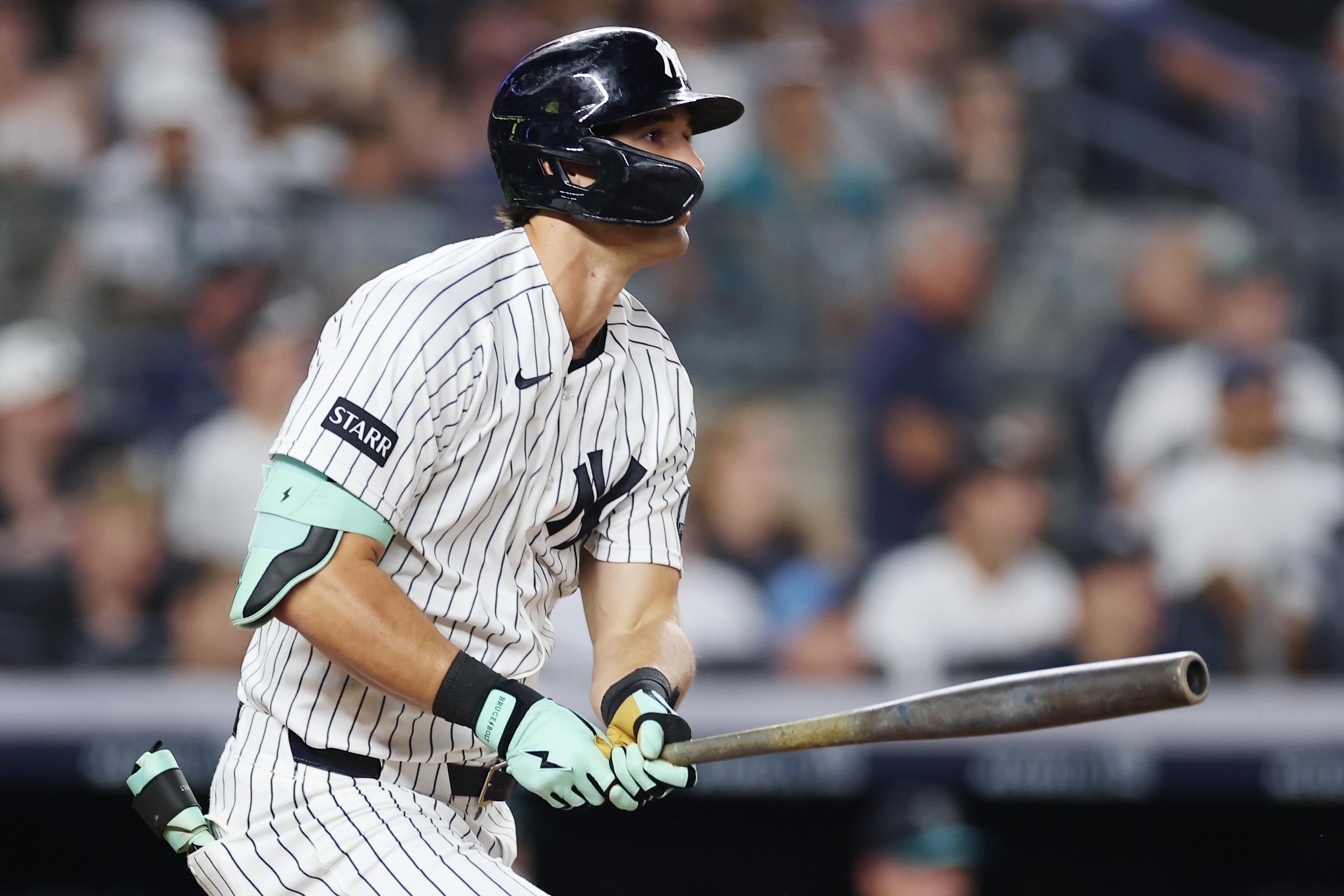
The report also describes what caught attention during spring work: a toe-tap rhythm that resembles the kind of high-visibility timing element many fans associate with Shohei Ohtani. Even if the timing move drew notice, the article stresses that Jones himself points to the back leg as the key piece, suggesting the adjustment is less about showmanship and more about leverage, balance, and how he loads his swing.
Behind the scenes, the Yankees’ approach to hitting development has often been characterized by willingness to bring in outside expertise. Schenck is not an “organization hire” in this telling, but the fact that Jones and his swing coaches traveled specifically to see him indicates the importance of targeted instruction. For a hitter, the difference between two swing faults can be substantial, so even small mechanical changes can be treated as major development steps.
Jones’s work lands alongside another Yankees staffing note from the same Yahoo update. The article also says that Rob Refsynder is retiring, an item that matters for the broader development ecosystem because coaches shape how prospects practice, receive feedback, and adjust swing plans over the course of a season. Even without detailing Refsynder’s exact duties in the report, a retirement from the Yankees’ baseball staff generally prompts questions about continuity in instruction and who will manage any overlapping skill areas.
There is also a wider competitive subtext to all of it. The Yankees are perennially associated with expectations to produce impact-ready players, and development plans have to survive the reality that major-league pitching punishes hitters who cannot square up pitches consistently. A prospect like Jones does not need one magical fix, he needs a repeatable swing plan that performs across counts, pitch shapes, and velocity ranges.
For now, the most important takeaway is that Jones is treating his strikeout issues as solvable and actively seeking specialized help. The Yankees, meanwhile, are showing that they will follow their players’ development work wherever it leads, even if that means outside instruction connected to an established star’s routine.
The questions that follow are practical and immediate once spring and regular-season work progresses: whether the toe-tap timing change leads to better pitch recognition, whether the back-leg adjustment improves contact quality, and whether the overall swing plan reduces whiffs without sacrificing the power that made Jones intriguing in the first place. If those things come together, this offseason decision will look less like a one-off swing experiment and more like a turning point in how quickly Jones can move toward the majors.
Why It Matters
- Strikeout reduction is often the fastest way for a power prospect to earn more opportunities at higher levels of play.
- Outside instruction tied to proven major-league mechanics highlights how teams look for incremental fixes that can withstand better pitching.
- Staff changes like a coach’s retirement can affect development priorities, especially in specialized skill areas.
- If Jones’s swing adjustments improve contact and maintain power, it strengthens the Yankees’ pipeline at a time when depth and readiness matter for long seasons.
Key Facts
- Yahoo Sports reports that Yankees prospect Spencer Jones traveled in the offseason to work with swing instructor Richard Schenck.
- The report links the swing work to addressing holes that contributed to a very high strikeout rate in Jones’s minor-league career.
- The article says Jones’s spring work included a visible toe-tap element, while Jones emphasized that his back leg is the key focus.
- Yahoo Sports also reports that Rob Refsynder is retiring.
- The updates collectively point to continued Yankees attention on hitting development and coaching continuity.