
THE APEX TIMES
Spencer Jones turns Wrigley wind into damage, but Yankees’ lead slips away against Cubs
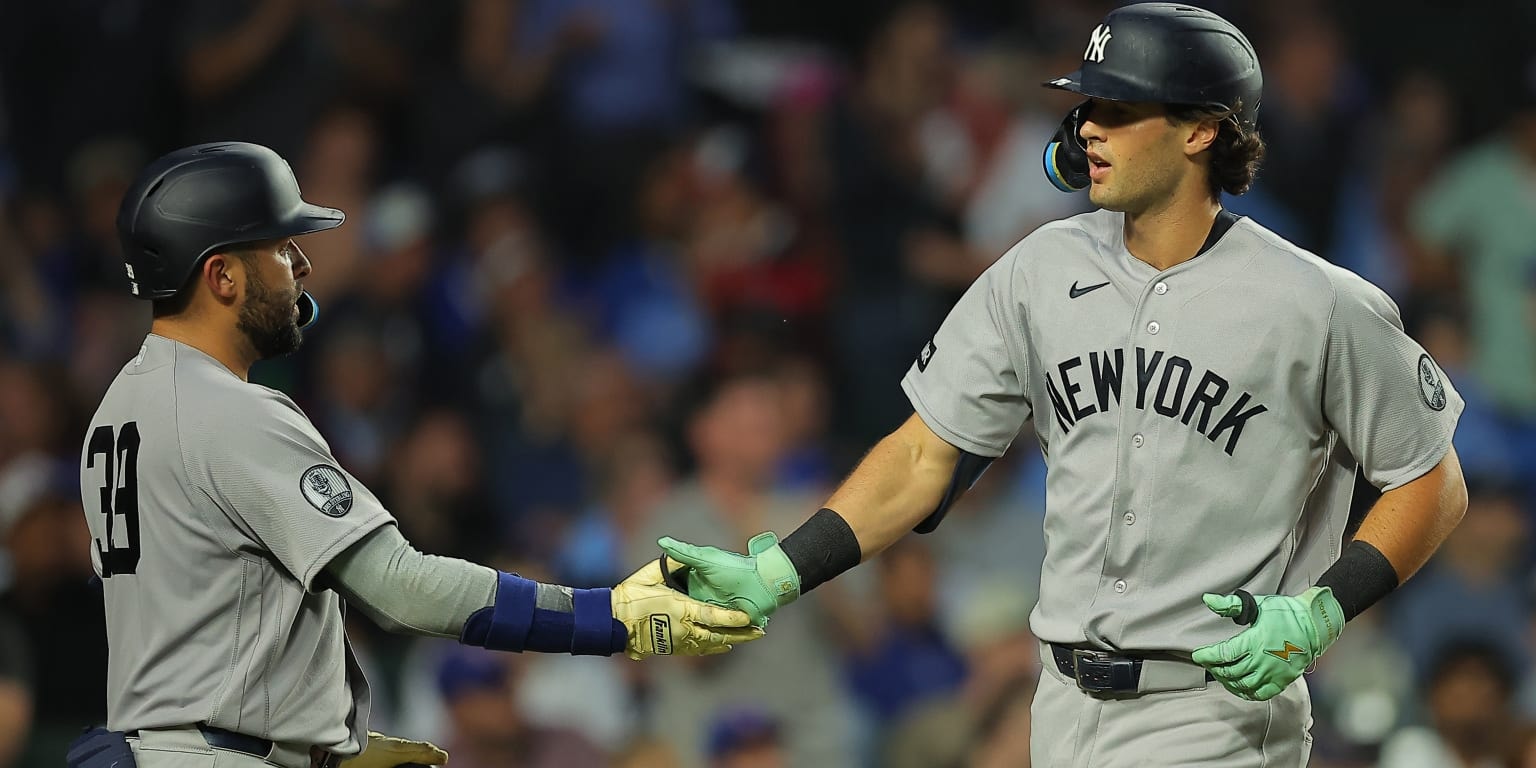
A long ball finally cut through the atmosphere at Wrigley Field, yet the Yankees could not keep the momentum going, falling short after their advantage vanished quickly.
The Yankees found the kind of swing that Wrigley Field demands on a windy night when Spencer Jones delivered a home run that carried through the conditions. The breakthrough was real, but it did not last, and Chicago turned the page immediately, leaving New York unable to turn a promising moment into a steady lead.
Wrigley’s outfield can change a game in a single inning, and this one played into that theme. The reported framing of the contest highlighted how the ballpark wind mattered, with Jones ultimately becoming the batter who could drive one far enough to matter even in the gusts. That made the homer a key marker for the Yankees’ offense, especially after earlier stretches where they were not producing the same kind of impact.
Even with the momentum that comes from a lead and the extra emphasis a home run brings in hostile weather, the Yankees did not protect it. The account of the game emphasizes that the advantage did not survive the next batter, an outcome that speaks to how quickly baseball can swing back toward the home team when command and response are incomplete.
From there, the story became less about a single at-bat and more about follow-through. The Yankees’ ability to cut through Wrigley wind with one swing, then failing to carry that into an extended scoring push, suggested a matchup where timely contact and sequencing mattered at least as much as raw power.
For the Cubs, the immediate response carried significance because it kept New York’s offense from building the kind of rhythm that can wear down a pitching staff. When the lead flips that quickly, it compresses innings and raises the pressure on baserunners, pitch selections, and defensive execution for the visiting team.
The broader takeaway for the Yankees is that a game can contain both good and incomplete answers. Jones’ homer showed the lineup can still generate game-changing contact even when conditions make it harder to do so. The problem, as the game’s description lays out, was the inability to convert that statement into sustained control of the score.
What to watch next is whether New York can replicate the approach that produced Jones’ damage without needing the perfect weather window. Against a team like Chicago, where momentum shifts can happen rapidly at Wrigley, the Yankees will likely need more than one big swing to keep the lead beyond the next batter.
Why It Matters
- Jones’ home run underscores that the Yankees can still generate high-impact offense even in difficult Wrigley weather.
- The quick disappearance of the Yankees’ lead highlights how thin margin games can be when teams exchange momentum immediately.
- For the Cubs, an immediate response after New York’s score supports the idea of strong in-game leverage management at Wrigley.
- For New York, the challenge is consistency, translating one breakthrough swing into multi-inning run production.
Key Facts
- Spencer Jones hit a home run for the Yankees in a game at Wrigley Field against the Cubs.
- The description of the game emphasized how wind at Wrigley affected play.
- The Yankees’ lead did not last, with Chicago responding quickly after New York took advantage.
- The game was played at Wrigley Field, giving it a park-and-weather context central to the recap.