
THE APEX TIMES
“Spinning Back Clique” podcast turns to UFC fighter-pay debate as Sean Strickland and Brendan Allen take center stage
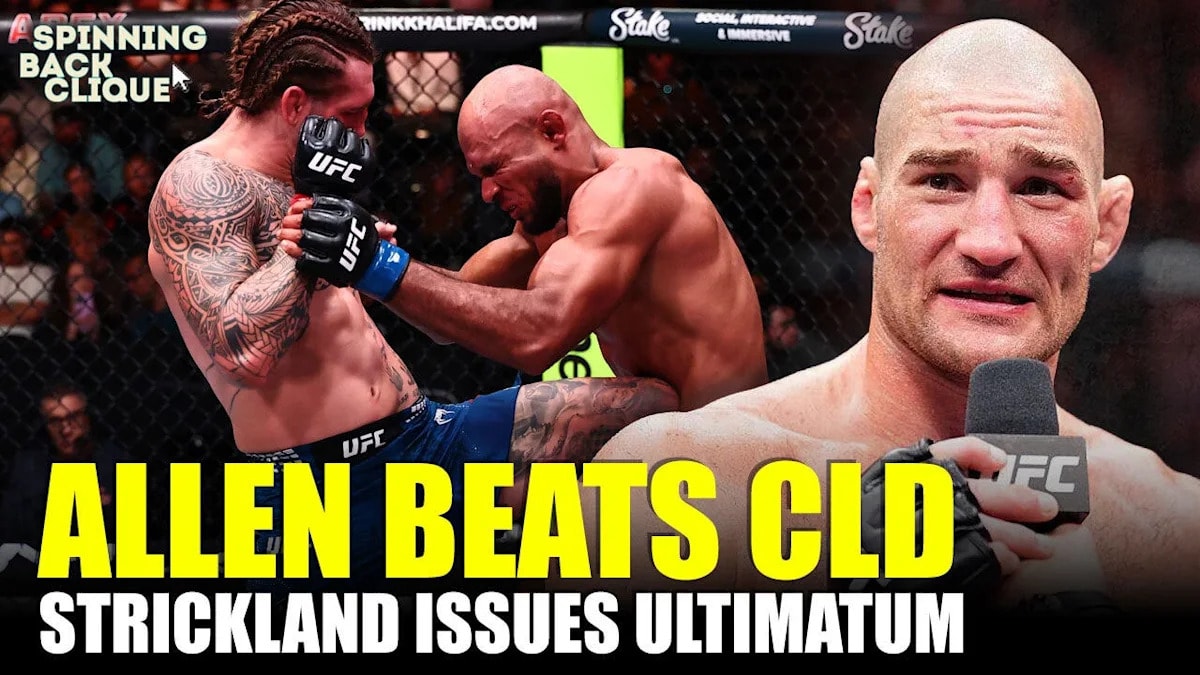
In its latest episode, the MMA Junkie-led show “Spinning Back Clique” tackles ongoing controversy around UFC fighter compensation while also looking at Brendan Allen’s most recent performance and what it could mean for his standing in the promotion.
The newest episode of MMA Junkie’s “Spinning Back Clique” devoted significant time to two storylines shaping UFC conversation right now: Sean Strickland’s criticism of UFC fighter pay and Brendan Allen’s big win. The show’s panel framed both topics as reminders that mixed martial arts is not only about outcomes inside the cage, but also about how fighters are valued, promoted, and positioned by the sport’s biggest organization.
Strickland’s comments, highlighted in the show’s rundown, land in a debate that has followed the UFC for years and resurfaced repeatedly in the modern era. Fighter-pay discussions in MMA typically revolve around base purses, pay-per-view revenue splits, sponsorship access, and how fight-week obligations and risk are weighed against compensation. Even when individual cases vary, the underlying question is consistent: whether the promotional upside is translated into pay structures that match the career volatility and physical toll required at the top level.
In the same episode, the show turned to Allen, pointing viewers to his “big win” as a separate but connected kind of leverage point. Wins can change bargaining dynamics, alter a fighter’s visibility, and place them closer to marquee matchups. The episode treated that performance as a meaningful development, suggesting it could sharpen Allen’s momentum in a stacked division where consistent results often determine who gets the next opportunity and who must wait.
The pairing of these two themes, fighter compensation and fighter trajectory, reflects a broader reality of the UFC landscape. High-profile athletes can increase public pressure around pay while also benefiting from the very system they criticize. That tension is part of why the sport’s biggest names often end up at the center of both promotional attention and public policy-like arguments about how the sport should be run.
Because the episode is a panel show, it also functions as a rolling recap of what the MMA audience is already reacting to. Rather than presenting a single, definitive report, it summarizes where the conversation is moving, who is driving it, and what fans should pay attention to next. The show’s focus on Strickland’s critique and Allen’s performance suggests that viewers can expect continuing coverage of both the business side of MMA and the immediate competitive implications of recent results.
What to watch next is how the UFC responds to the fighter-pay debate in practical terms, and whether recent momentum around contenders like Allen results in clearer pathways to higher-stakes opponents. In the short term, the most telling sign will be whether the conversation stays tied to specific compensation mechanics or shifts toward more general calls for reform and greater transparency. In the sport’s day-to-day rhythm, the most immediate proof of a “big win” is how quickly it translates into the next meaningful matchup. With the show emphasizing both storylines together, the coming weeks may reveal whether the promotional spotlight narrows to rankings and matchups or expands further into compensation debates that affect the whole roster.
Why It Matters
- Fighter-pay criticism can shape how fans, media, and fighters evaluate the UFC’s business practices beyond any single fight.
- When a contender collects a major win, it often changes who becomes a priority for future matchmaking and promotional focus.
- The combination of pay debate and competitive momentum illustrates how UFC narratives are increasingly intertwined with broader questions of value and risk.
- If compensation concerns intensify, they can influence contract negotiations and public pressure around event economics.
Sources
Key Facts
- “Spinning Back Clique” discussed multiple UFC-related topics in its latest episode.
- The episode highlighted Sean Strickland’s criticism of UFC fighter pay.
- The episode also highlighted Brendan Allen’s “big win.”
- The show is described as MMA Junkie’s weekly live-style program covering major mixed martial arts topics.