
THE APEX TIMES
Sports Illustrated ranks Flory Bidunga No. 3 center, turning Louisville’s offseason optimism into a Final Four expectation
The new player evaluation amplifies the pressure on Pat Kelsey’s Louisville program, where the center position and interior impact have become the focal point of what comes next.
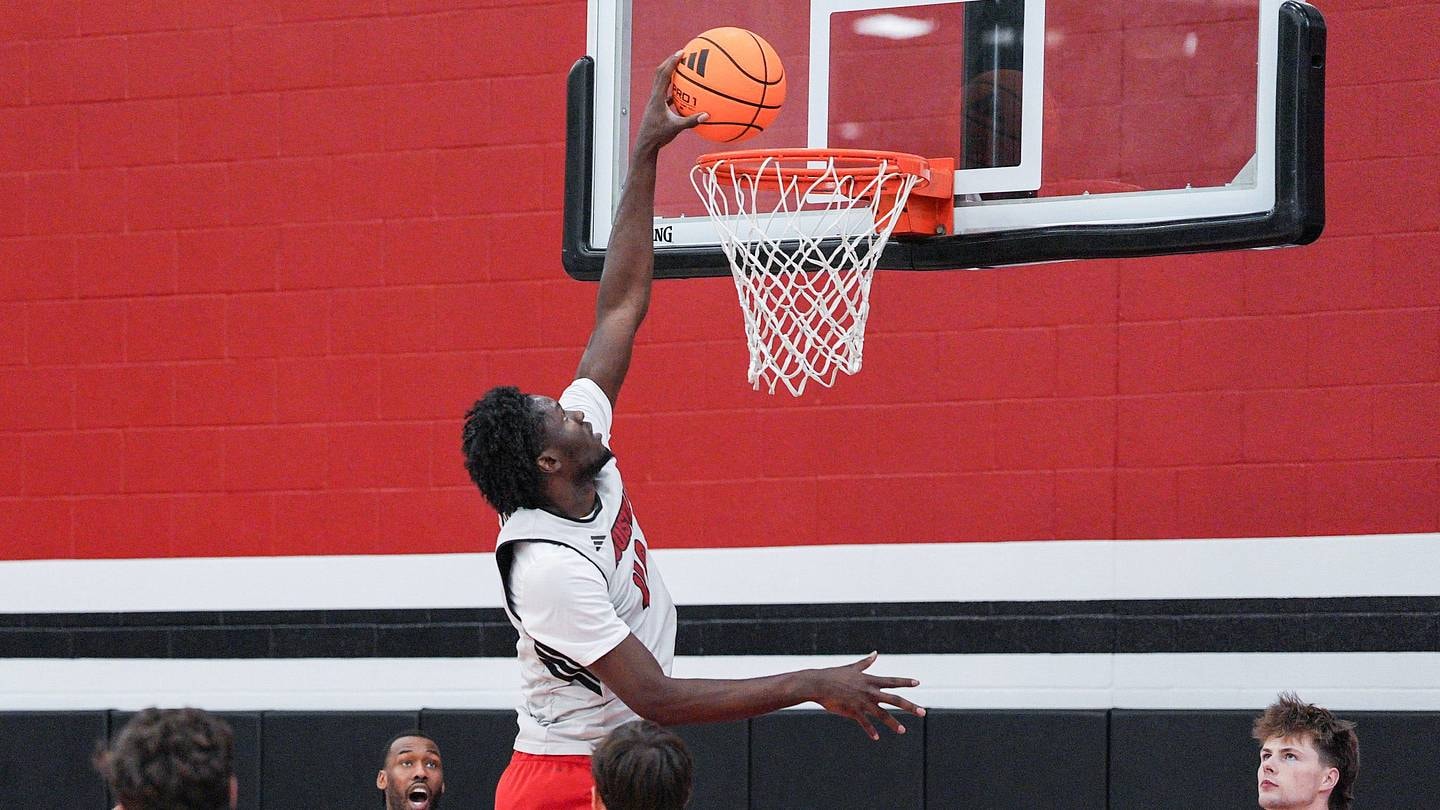
Sports Illustrated’s new player ranking put Flory Bidunga at college basketball’s No. 3 center spot, and Louisville fans immediately connected the dots between a highly regarded big man and a deeper postseason run. The implication is straightforward. When a program’s centerpiece is labeled among the national best at his position, the conversation around the year’s ceiling shifts from “building” to “believing,” with the Final Four becoming the natural benchmark.
Bidunga’s ranking matters most because it concerns role and production, not just potential. Center rankings in college basketball reflect how well a player fits a contemporary frontcourt game, including shot deterrence, finishing, and rebounding. Louisville, under head coach Pat Kelsey, has spent recent seasons constructing a roster built for more consistent execution, and an interior talent of Bidunga’s caliber raises expectations that the team can control games in the paint as tournament time nears.
In the coverage that accompanies the ranking, the storyline is framed as a test for Kelsey’s program. The idea is that Louisville has already done enough work to earn the benefit of the doubt, meaning patience is no longer the defining virtue. If the team is going to match the level of Bidunga’s national standing, it has to translate that individual evaluation into results that withstand scouting pressure, tighter officiating, and the slower, more physical demands of March.
Louisville’s identity in postseason settings has historically depended on how well it protects the rim and converts interior looks into reliable offense. A center ranked among the nation’s top tiers does not guarantee outcomes, but it changes the math. Teams are often able to build game plans around a matchup they can force, whether that is defending the ball inside or pressuring the opposing defense with a consistent target near the basket. With Bidunga elevated in a major national ranking, the expectation becomes that Louisville can win the moments that matter most: possessions where the game turns on paint touch, defensive rebounds, and shot-altering effort.
The broader context is that offseason rankings frequently arrive before teams have fully settled into chemistry and before coaches finalize rotations for the regular season. Louisville’s actual trajectory will still depend on team health, complementary scoring, and whether players around Bidunga can create enough space for him to be effective. Rankings also do not account for how opponents prepare, including which defensive coverages are used to limit touches or which big-man matchups are targeted to exploit weaknesses. Still, the national label sets a standard, and standards are what programs are judged by when the tournament bracket tightens.
For Kelsey, the coaching challenge is to keep the program from letting the spotlight dictate the play. When a player becomes the center of a “Final Four demand” narrative, there is always the risk of over-reliance or a game plan that becomes too predictable. The better version of this storyline is that the ranking becomes motivation, while Louisville’s preparation stays rooted in fundamentals: disciplined shot selection, disciplined defensive communication, and steady rebounding even when games get physical.
What to watch next is whether Louisville’s early-season performances, once roles are locked in, align with Bidunga’s placement among the nation’s elite. The most telling indicators will be how often the team wins in the paint against quality opponents, how consistently it defends interior scoring without fouling, and whether the offense can generate enough high-quality looks that Bidunga’s impact can show up in the numbers. If those pieces fall into place, the new ranking will feel less like a headline and more like a preview of what Louisville is capable of in late March.
For now, the ranking is a clear report of how the national recruiting and evaluation conversation sees Bidunga. The pressure that follows is the part Louisville cannot avoid, especially given the way the story frames the program’s progress under Kelsey. Bidunga’s No. 3 status at center shifts the target. Louisville’s season will be measured against that target, not just against incremental improvement.
Why It Matters
- A top national center ranking increases the internal standard for Louisville’s season and the external benchmark for what counts as success.
- If Bidunga’s impact translates to games, Louisville can build more reliable interior offense and defensive presence, both critical in the tournament.
- The “Final Four demand” framing changes how fans and the media evaluate every stretch of conference play.
- Louisville’s coaching staff will be expected to balance Bidunga’s prominence with a team-wide game plan that is not overly predictable in March.
- The ranking can also influence recruiting perceptions and how other high-level recruits view Louisville’s development path.
Key Facts
- Sports Illustrated ranked Louisville center Flory Bidunga as college basketball’s No. 3 center.
- The ranking is presented as raising the expectations for Pat Kelsey’s Louisville program.
- The narrative ties Bidunga’s elite positioning to a higher postseason ceiling, specifically the Final Four.
- The coverage frames Louisville’s current stage of rebuilding as far enough along that expectations have shifted toward results.
- The center position is treated as a key driver of Louisville’s ability to compete for late-season success.