
THE APEX TIMES
Spurs Villain Tournament advances, with “Former Spurs” set up as the most bittersweet region
In a bracket-style Spurs history debate, fans are asked to judge former players who once represented the Silver and Black, but left with lingering animosity after words or actions.
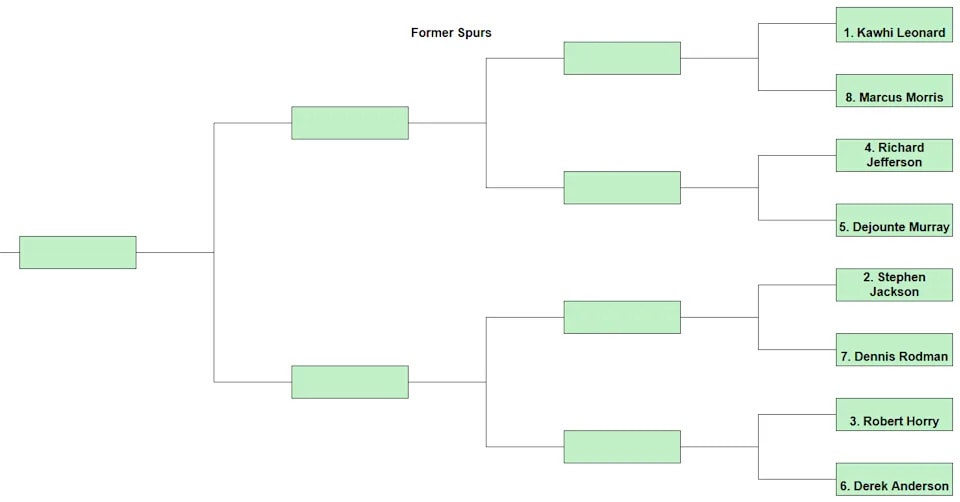
The Spurs Villain Tournament has moved into its “Former Spurs” round, a matchup region built around the paradox of being both part of the franchise’s identity and a target of fan ire afterward. The format is a bracket-style vote, pitting former players against each other as the series tries to identify the “biggest villain” in Spurs history.
This installment focuses specifically on players who wore Spurs uniforms at some point, but whose departures or public stances soured the relationship with the fan base that once rooted for their success. The language framing this round is intentionally emotional, characterizing it as “bittersweet” because it is not about outsiders or opponents, it is about people fans already invested in.
The Yahoo Sports piece that sets up Round 1 places the “Former Spurs” region in context of other parts of the tournament. It notes that the series has already covered “Spurs Killers” and “Dirty Players,” implying a broader taxonomy of fan concerns, from devastating performances against the team to transgressions on the court. “Former Spurs” becomes the latest branch of that same idea, but with a different emphasis, judging betrayal or disappointment rather than direct opposition.
Because this is a bracket concept rather than a league event, the tournament does not operate like official Spurs history programming, and it should be understood as commentary that reflects how fans talk about legacy. The round is framed as a continuing search for a single title, the “biggest villain,” but the real value for readers is how it organizes competing interpretations of what counts as wrongdoing. Is it the actions that happened in a Spurs moment, the tone of later remarks, or the way an ex-player’s story ended in the public eye?
For Spurs followers, the “Former Spurs” region is likely to resonate more than purely statistical debates, since it forces the conversation away from box scores and toward reputation. A player’s relationship with a fan base can be defined just as strongly by public perception at the end of a Spurs era as it is by what happened during it. That is the premise of this round: that fandom can hold two memories at once, the player’s place in the uniform and the reason that place became complicated.
What to watch next is how the bracket progresses and which type of grievance proves most persuasive to voters. Even without the details of each matchup being verified here, the structure suggests a ladder where earlier-round outcomes will determine which narratives move forward, and which fade. The tournament’s later rounds will effectively become a barometer for how Spurs supporters balance on-court accomplishments against off-court moments and public rhetoric.
As the series continues, the key is to separate entertainment framing from factual adjudication. The “Villains” label is a rhetorical device, not a formal judgment from the NBA, the Spurs, or any court of record. Still, the popularity of the “Former Spurs” category will indicate whether fans are more likely to reward redemption, forgive departures, or double down on perceived betrayal. That, in turn, can shape how Spurs legacy discussions look during the next season’s downtime, when fans revisit old stories and re-litigate old wounds.
Why It Matters
- It shows how fan engagement can reorganize Spurs history into competing narratives, not just performance memories.
- The bracket structure can influence which legacy conversations stay prominent, especially around departures and public perception.
- By combining on-court identity with off-court grievance, the “Former Spurs” round tests what fans weigh most when re-evaluating a player’s legacy.
Key Facts
- Yahoo Sports is running a Spurs Villain Tournament presented as a bracket-style debate over Spurs history.
- Round 1 features a “Former Spurs” region focused on players who once wore Spurs uniforms but later drew fan backlash through actions or words.
- The article frames this round as “bittersweet” because it involves former players who were once part of the franchise’s success story.
- The series is structured around multiple villain-themed categories, and it references earlier coverage of “Spurs Killers” and “Dirty Players.”