
THE APEX TIMES
Spurs wing rotation will define how San Antonio uses its depth
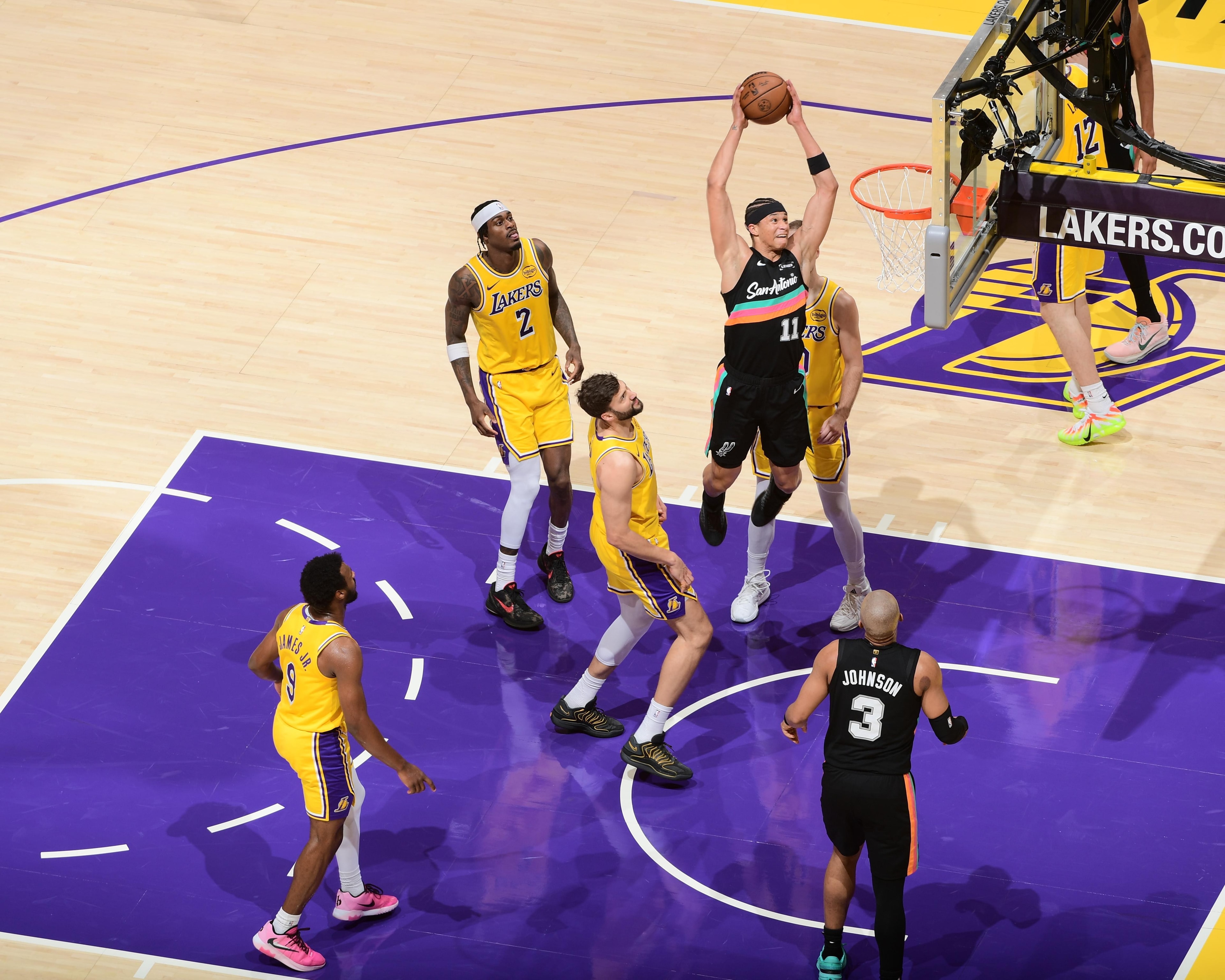
With a deep group of wing options, the Spurs face a familiar NBA challenge: turning roster depth into consistent on-court roles, especially when injuries force quick adjustments.
San Antonio is heading into the new season with a roster that includes a lot of wings, and that abundance creates a specific question for the Spurs coaching staff: which of those wings can be trusted regularly, and how do their minutes and responsibilities fit together. In the NBA, wing depth is both an advantage and a management problem, because the players who can defend, rebound, and shoot from multiple spots often overlap in what they can do, even when their styles differ.
The Spurs have repeatedly leaned on the idea that depth matters, and the logic is straightforward. Injuries are part of the league’s rhythm, and even a good team can lose continuity when the starting lineup changes. A roster that supports “a solid 10 to 12 players you can trust” is meant to keep performance from collapsing when the rotations shift, whether that happens due to a tweak in matchups or a longer absence. The central tension for San Antonio is making sure that depth becomes a rotation, not just a list of names.
Wings typically carry a hybrid workload. They are expected to guard multiple positions, give relief to ball-handlers, rebound from the perimeter, and produce offensively in ways that fit the team’s structure, whether that means spot-up shooting, attacking closeouts, or creating in semi-transition. When a team has several wings who can do portions of that work, the coaching staff’s job becomes sharper: decide who takes on the toughest defensive assignments, who is most reliable as a secondary creator, and who is best suited to play smaller-ball minutes versus bigger lineups.
A roster with many wings also impacts practice habits and in-game decision-making. Rotations have to account for spacing, because wings often determine whether the floor has enough shooting to make drives efficient. They also determine defensive matchups, since wing defenders are frequently the difference between containing drives and allowing penetration that forces help and scrambling recoveries. If the Spurs want consistent defensive effort, they need a clear hierarchy for their wing minutes so players know when to go, when to stay, and how aggressively they should help.
The Spurs’ off-season evaluation, at least as framed by recent coverage, centers on how the team will “play them all.” That phrasing matters because it suggests the question is not simply who is best. It is who fits specific scenarios: start versus bench, closers versus early-game rotations, and adjustments that respond to opponent strengths. In other words, the goal is a functional rotation where the wings complement each other rather than competing for indistinct roles.
What to watch next is less about one preseason performance and more about patterns once the games become routine. Look for whether the Spurs can identify a stable group of wing options that show up together consistently, or whether the rotations frequently shuffle. Stability would suggest the Spurs have turned depth into a system. If the lineup decisions look reactive or overly fluid, it could report that minutes are still being sorted out, and that depth is not yet translating into clear roles.
Why It Matters
- A clear wing rotation can stabilize both defense and offense when the Spurs need to adjust lineups quickly.
- Wing depth can protect the team’s performance during injuries, but only if roles are defined.
- How the Spurs use their wings can influence whether they can match up effectively across different opponent styles.
- Rotation clarity among wings will also affect late-game continuity, especially for closing lineups.
Key Facts
- San Antonio enters the season with a large group of wing players, creating a rotation-management challenge.
- Recent coverage frames depth as essential because injuries can force rapid changes to the lineup.
- The Spurs coaching staff must decide which wings factor into the rotation and how they divide minutes and responsibilities.
- Wings play central roles in modern NBA rotations, including defense across multiple assignments and offense through spacing or creation.