
THE APEX TIMES
Steelers “Asked and Answered” turns June training questions into lessons on roles, eras, and roster strategy
Steelers fans asked about defensive alignment terminology, how a legend like Jack Lambert would fit today’s rulebook, and the logic behind the supplemental draft.
On June 9, ’s “Asked and Answered” column used fan questions to spotlight three different parts of team-building and football understanding: how modern defensive fronts create different leverage points, how rule changes shape defensive play, and why teams still treat the supplemental draft as a strategic lever rather than an afterthought.
The first question came from a fan who noticed that Keeanu Benton would be used “spending more of his time at three-tech, 4i, and five-tech,” and wanted clarification on what those labels mean. The Steelers page framed the issue as one of translation for viewers who do not live inside the sport’s alignment shorthand, then directed the explanation to Matt Williamson, a former college and NFL scout who co-hosts SNR Drive. Williamson’s answer tied Benton’s usage to the Steelers’ defensive look, describing how the nose tackle role shows up when the team is in its 3-4 scheme, with Benton aligning over the center or to either shoulder depending on the situation.
That distinction matters because it reflects how the NFL’s defensive front has become a modular system. The same player can be asked to work in different “answer spaces” based on formation and opponent personnel. Even without turning the conversation into a playbook, the column’s structure made the point that modern alignment is not just about where a player stands, but about what kind of rush lane, gap responsibility, and matchups the defense wants to create.
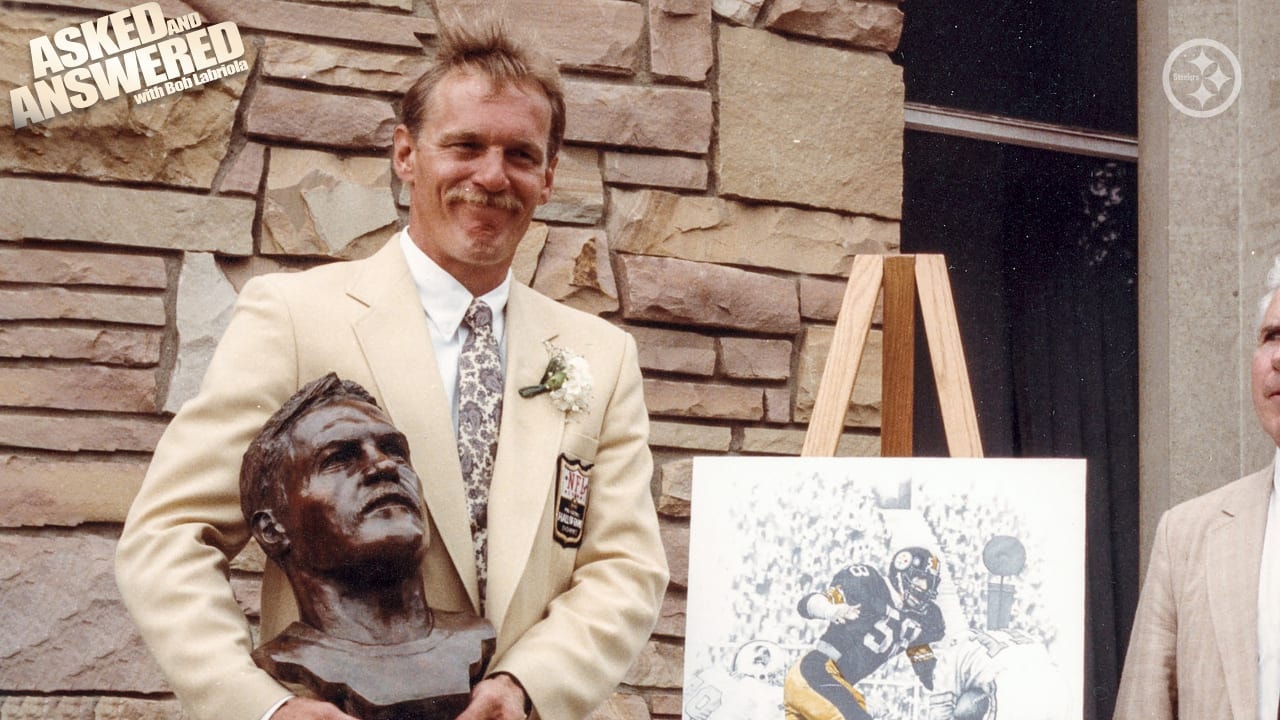
The column then pivoted from terminology to history and rules, asking whether Jack Lambert could adjust to the modern game. In response, the writers leaned on the old football adage that great players find a way to be great in any era. The page connected that idea to Lambert through a specific anecdote: Lambert’s ejection for a hit on quarterback Brian Sipe during a game against the Cleveland Browns, followed by the note that reporters asked him in the locker room about the call.
That story functioned as more than trivia. It underscored how the standards for physicality and officiating have shifted over time, even when the underlying goals for defenders have not. Lambert’s reputation is rooted in aggressive, high-impact play, and the column’s treatment suggested that the real question is less about whether legends could play the sport, and more about how their instincts would be expressed under today’s constraints.
The third question addressed the supplemental draft, with a fan explaining the basic concept that a team trades a future pick to bid for a prospect in the current year. The “Asked and Answered” page treated the supplemental draft as an organizational decision with downstream effects, not just a chance for a one-off selection. The column also placed the Steelers’ perspective in that context by acknowledging that teams can use it when the timing of a prospect’s availability creates an opening.
While the column’s focus is on fan education, its selections show what the Steelers believe deserves attention at this stage of the offseason: knowing how assignments translate into roles on Sundays, understanding how the league’s enforcement of the game changes what certain players are asked to do, and recognizing that roster building includes less visible paths like the supplemental draft. For a team that operates within a defined identity, those are practical questions, not abstract ones.
Going forward, the most useful thing to watch will be how alignment and role language continues to evolve as the Steelers move through organized team activities and into training camp. The “Asked and Answered” answers suggest the team and its communication staff intend to keep translating scheme into plain language, and that may be the clearest indicator of what they prioritize: clarity on where players fit, and confidence that players can adjust as the rules and opponent looks demand it.
Why It Matters
- Alignment language like 3-tech, 4i, and 5-tech is a window into how NFL defenses attack different gaps and leverage points against specific offensive looks.
- The Lambert discussion highlights how rule enforcement and officiating standards influence the expression of defensive aggression, even for players with historic playing styles.
- Explaining the supplemental draft underscores that roster construction is not limited to the normal draft calendar, and timing can create strategic choices.
Key Facts
- ’s June 9 “Asked and Answered” column addressed three fan questions: defensive alignment terminology, Jack Lambert’s fit with modern rules, and how the supplemental draft works.
- A fan asked about Keeanu Benton spending more time at 3-tech, 4i, and 5-tech, and the column directed an explanation from Matt Williamson based on alignment and scheme context.
- The Benton explanation on the page linked the nose tackle alignment to the Steelers’ 3-4 scheme, including aligning over the center or to the shoulders.
- A fan asked whether Jack Lambert could adjust to modern NFL rules, and the column responded using the idea that great players adapt across eras.
- The page included an anecdote about Lambert being ejected for a hit on quarterback Brian Sipe during a Browns game, followed by Lambert addressing reporters afterward.
- The column also discussed the supplemental draft concept that teams trade next year’s pick to bid for and win a current-year prospect.