
THE APEX TIMES
Steelers Defensive Coordinator Patrick Graham Builds a Culture of Teaching, Consistency and Communication
In a Steelers “Get to Know” feature, Pittsburgh’s defensive coordinator describes the coaching roots that shaped his style, from graduate assistant days to leading by example, plus a distinctive offseason team tradition built around music.
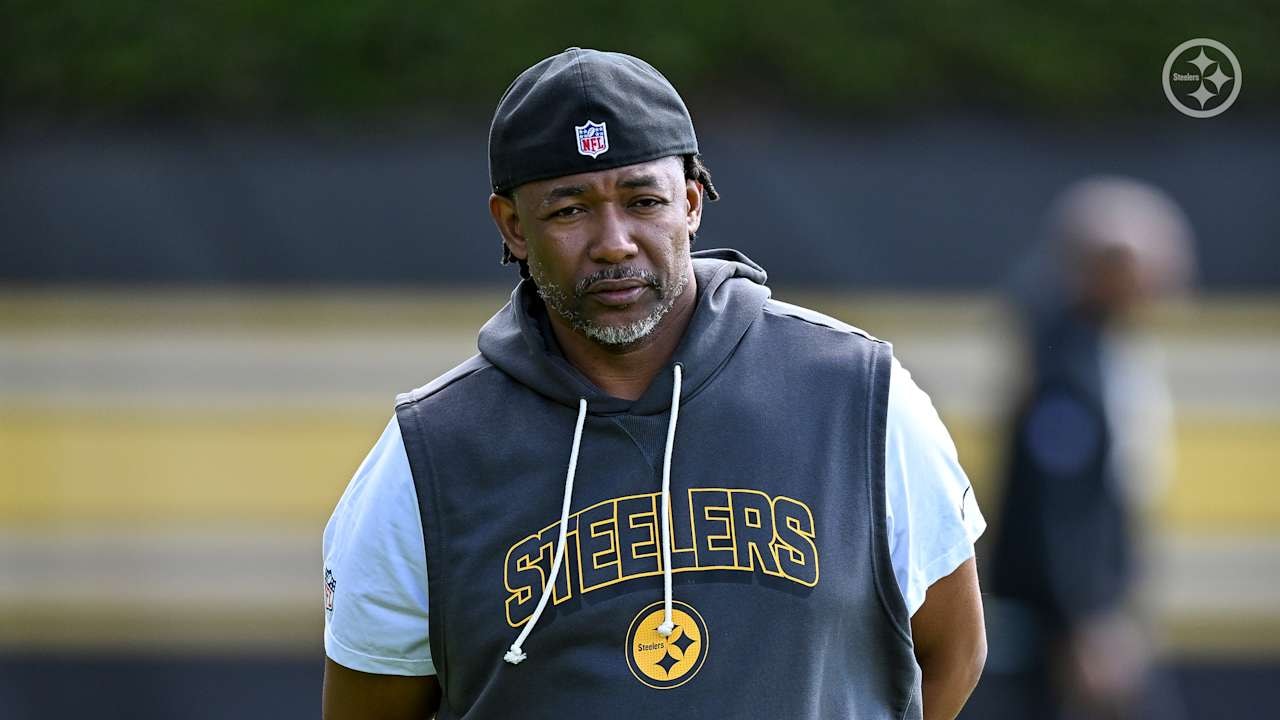
The Steelers’ defensive coordinator, Patrick Graham, has leaned into a simple idea as he settles into his role: coaching is teaching, and teaching is most effective when it is consistent and grounded in execution. In a “Get to Know” profile published July 6, Graham laid out how he frames his work with players, describing himself as a “player’s coach” who focuses on finding the best way to help individuals improve and then putting them in the right position on game day.
Graham’s path to that approach runs through education. He said his interest in coaching began while pursuing an MBA as a graduate assistant, a detour from a plan he once imagined would take him toward Wall Street. He also ties his coaching instincts to what he called “teaching” in his earlier life, including work with tutoring programs and teaching in youth settings. That background, he argued, still drives the day-to-day effort in the NFL, where the job is to translate film, technique, and mental preparation into repeatable habits under pressure.
The profile also offers a window into how Graham is building team communication during the offseason. According to, he has introduced a rotating music exercise in practices and meetings: each week, he selects an artist or hip-hop collective, and then players make presentations explaining where the music originated, who founded the group, and the significance of its major hits. Graham’s goal is not entertainment for its own sake, but engagement and shared understanding. “They keep me young,” he said, pointing to the energy that comes from coaching younger players and watching them translate work into performance.
The Steelers’ tradition has included a range of artists and groups, and it has also created a kind of informal accountability. In the same feature, Steelers players are shown participating in the presentations, including second-year linebacker Jack Sawyer, whose assignment included Dungeon Family, an Atlanta-based collective founded in the early 1990s. The piece described a moment of pushback from veteran defensive lineman Cameron Heyward about whether the presentations reflected genuine listening, underscoring the expectation that the information comes from real understanding rather than copy-pasted summaries.
For Graham, the emphasis on preparation and execution is linked to how he defines coaching style. In ’s questions, he described leadership as something he tries to model through routine and standards, calling consistency a key trait. He also described what he enjoys most as the moment work turns into results, including seeing players “get something done” and then carry it out in high-speed situations.
While the “Get to Know” format is primarily personal rather than tactical, it aligns with what organizations typically ask from a defensive coordinator beyond schemes. Graham’s comments suggest that the Steelers are prioritizing a communication channel that players buy into, and a teaching culture that can carry across the defense’s different looks. With training camp approaching, the question becomes less about what the Steelers say they want, and more about whether that teaching and consistency show up when the work accelerates and execution is tested on the field.
What to watch next is how Graham’s offseason emphasis translates into defensive meetings and in-practice execution: whether players demonstrate cleaner alignment and faster communication, and whether the coaching style he describes actually produces the kind of pressure-tested problem solving coaches and players both recognize as the difference between “knowing” and “doing” in a defensive system.
Why It Matters
- A defensive coordinator’s job depends on communication and preparation, and Graham’s offseason teaching emphasis points to how the Steelers plan to build buy-in across the defensive unit.
- The music-meeting tradition is a culture lever, and culture often shows up in practice tempo, attention to detail, and how quickly players adjust when plans change.
- How well a teaching-driven system translates into execution is a key indicator of whether the Steelers can raise their defensive consistency as the season approaches.
- With training camp and preseason work on the horizon, the focus shifts from ideas to results, particularly in high-speed communication and execution.
Key Facts
- Patrick Graham is the Steelers’ defensive coordinator, and he frames his role as teaching players how to improve and how to execute their assignments on game day.
- Graham said his interest in coaching began during his graduate assistant work while pursuing an MBA, after he initially expected to pursue a different career path.
- In the feature, Graham described his coaching style as consistent leadership and a “player’s coach” approach focused on helping players find the best way to improve.
- reports that Graham has used a music-based weekly tradition in which players give presentations about an artist or hip-hop collective he selects.
- The profile describes players participating in those presentations and includes an example involving Jack Sawyer and the Dungeon Family collective, with feedback from Cameron Heyward about whether the material reflected real listening.