
THE APEX TIMES
Steelers emphasize an “offensive ecosystem” as QB coach Tom Arth remains a veteran communicator
With new leadership tendencies at the top and a reshaped offensive authority structure, Pittsburgh is leaning on continuity at quarterback coaching to smooth the message inside the offense.
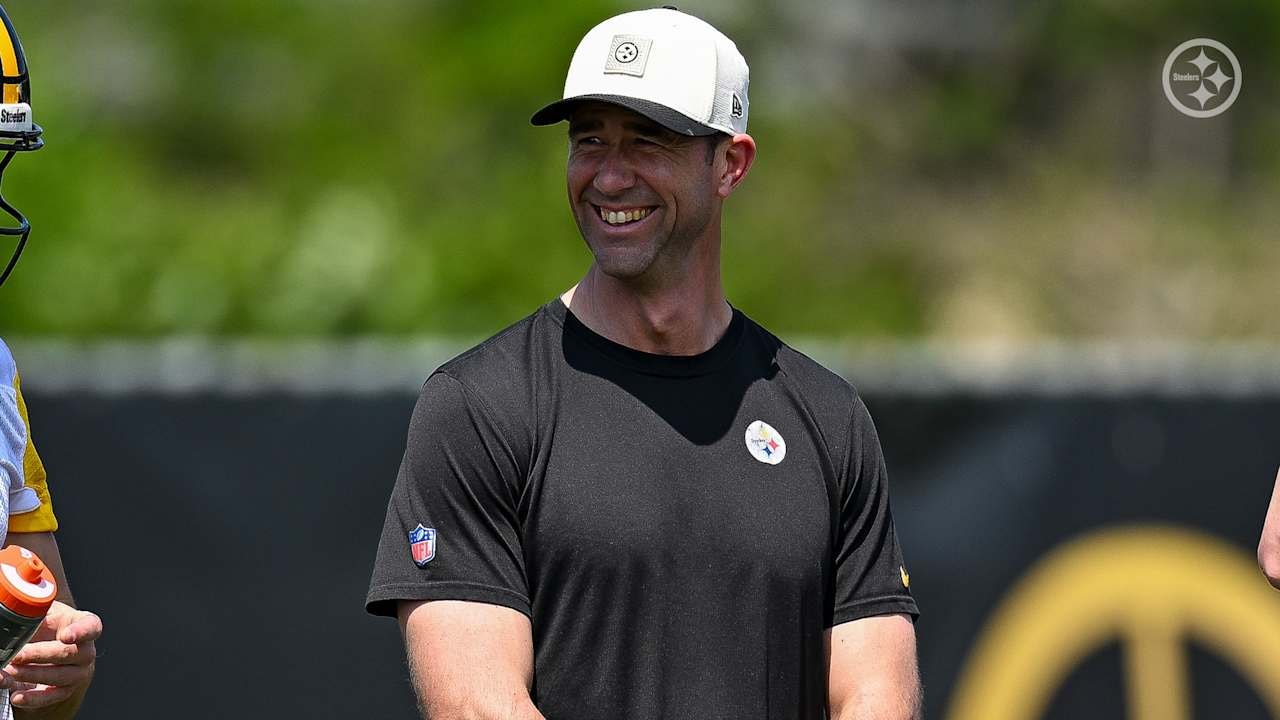
Pittsburgh’s offensive staff is being framed as a communication system, with quarterback coaching treated as the central link in the chain. In a team feature posted ahead of the grind of the season, Steelers officials described the work of QB coach Tom Arth as part of an “offensive ecosystem,” where each role has responsibilities but the quarterback’s preparation and in-game processing remain the primary target.
The emphasis on communication comes with a notable staff contrast. Arth is described as one of just two returning coaches from the previous Steelers staff, a detail that highlights how much turnover has occurred behind the scenes. The implication is that continuity matters most in the moments when the offense needs to translate game plans into quick, consistent decisions.
At the top of the structure, the feature points to changes in head-coaching approach, including Mike McCarthy’s role as a play-calling head coach. That matters because when the head coach calls plays, the QB coach’s job tends to shift from simply installing concepts to also helping synchronize what the coordinator is indicating with what the quarterback is asked to read, adjust, and execute.
Within that framework, Arth’s experience is presented as the bridge between instruction and execution. While individual coaches are responsible for their positional rooms, the story treats the offensive operation as a shared workflow, where timing, wording, and alignment across days of planning can reduce friction when the pace of the game accelerates.
Steelers messaging also ties this communication flow to the broader idea of quarterback development. The story’s theme suggests that the QB coach functions as a translator, not only delivering technical guidance, but also ensuring that the quarterback understands what different situations mean in practical terms, such as how the offense wants answers to arrive on the sideline, in the huddle, and at the snap.
The Steelers’ approach is worth watching because quarterback coaching continuity can be especially valuable during transitions that occur at the head-coach level. If McCarthy is setting the offensive pace and Arth is maintaining the quarterback’s preparation standards, the team’s day-to-day consistency could show up in how quickly the offense adapts when drives deviate from the script.
For fans, the immediate takeaway is less about any single play and more about process. If the communication system is working, it should show in fewer delays in tempo, clearer decision-making in structured reads, and better alignment between the play call and the quarterback’s pre-snap responsibilities. The Steelers’ ongoing challenge will be turning a stated ecosystem into repeatable results week after week.
Why It Matters
- Quarterback coaching continuity can stabilize the offense during staff transitions, particularly when leadership responsibilities shift.
- When a head coach calls plays, the quarterback room often bears more of the burden of translating plans into on-field adjustments.
- A clear internal communication workflow can reduce breakdowns that typically show up as late tempo changes or hesitation in pre-snap responsibilities.
- How well the “ecosystem” functions is most visible in consistency, not isolated drives, over the remainder of the season.
Key Facts
- Steelers QB coach Tom Arth is highlighted as a central communicator within the offense’s “ecosystem.”
- Arth is described as one of just two returning coaches from the prior Steelers staff.
- The team feature also points to Mike McCarthy as a play-calling head coach.
- The central theme of the Steelers’ presentation is alignment between coaching responsibilities and quarterback execution.