
THE APEX TIMES
Steelers GM Omar Khan says quarterback roster math shaped the early 53-man mix
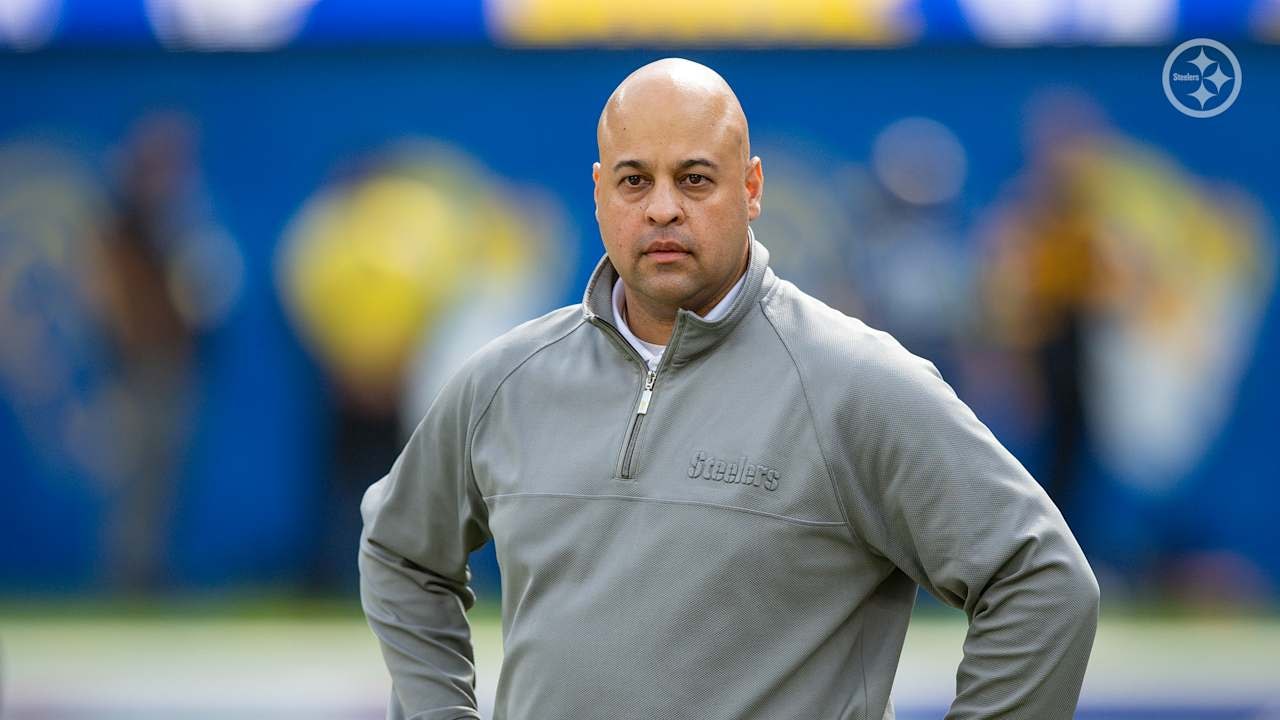
In recapping Pittsburgh’s initial 53-man roster, Omar Khan framed the team’s quarterback group as a “right mix” built to handle a season’s most urgent needs while carrying depth at the position.
Steelers general manager Omar Khan described the team’s early 53-man roster as built around a realistic season-long truth: teams do not plan to use more than one quarterback for the bulk of the schedule, but they still have to prepare for it. In a recap tied to training camp, Khan said he came in knowing there was a possibility the Steelers would dedicate four roster spots to the position, reflecting both the volatility of the position and the need to protect the organization’s game plan if circumstances change.
That emphasis on quarterback depth is not just roster theater. In the NFL, the quarterback position drives the weekly rhythm of the offense, practice reps, and game preparation, so the ability to maintain continuity matters even when injuries or performance swings force adjustments. Khan’s comments position the Steelers’ approach as a balance between carrying experienced options and developing the next tier under the coaching staff’s evaluation process.
Khan’s recap also put the roster construction into a broader context beyond the quarterback position. He referenced a blend that includes new veterans and promising rookies, an approach that typically aims to add both immediate reliability and longer-term upside. For a team that must translate camp form into regular-season roles, that kind of mix suggests Pittsburgh is trying to keep competition alive while still defining who is most trusted for specific responsibilities.
Within that framework, the quarterback decision becomes a referendum on how the Steelers want to manage certainty versus flexibility. If four players end up on the roster at quarterback, it indicates that the team either sees a clear separation between top-level starters and backups, or it feels the developmental pathway for younger quarterbacks requires active involvement during the season. In either case, it implies Pittsburgh has been planning for coverage at the position even if the team’s preference is to be in the best-case scenario of using just one starter.
Khan’s language, focusing on the “just right mix,” also reflects how roster planning can hinge on timing. NFL rosters are set before the regular season, but camp evaluations continue to evolve as players grasp the system, learn the cadence, and handle the mental load of the position. A front office that anticipates a quarterback roster commitment is essentially acknowledging that the margin between carrying too little depth and too much is thin.
What to watch next is how those roster spots translate into practice usage and preparation during the early part of the regular season. If the Steelers keep a stable base with one primary starter, the additional quarterback positions become insurance and developmental time. If the offense shows instability in the pocket or timing, those extra roster spots could become more than depth, potentially shifting weekly preparation and personnel packages.
For now, Khan’s recap frames the Steelers’ offseason as pragmatic: build a roster that can withstand the least predictable parts of the NFL schedule, while still targeting performance from both established veterans and younger players. The quarterback group, in that sense, is the central lever, and the team’s decisions there will shape how smoothly Pittsburgh can protect its offensive identity all year.
Why It Matters
- Quarterback depth can determine how quickly an offense maintains its identity when a season-long contingency occurs.
- Carrying four quarterbacks can indicate either a clear competitive separation or a deliberate plan for development and readiness.
- The balance between veterans and rookies affects how the Steelers manage learning curves while staying competitive.
- Roster-building decisions before Week 1 often shape who earns reps, which in turn can influence early-season performance.
Key Facts
- Steelers general manager Omar Khan discussed the team’s initial 53-man roster during a training-camp recap.
- Khan said he came into camp knowing Pittsburgh might dedicate four roster spots to the quarterback position.
- Khan described the roster as a “right mix” that includes new veterans and promising rookies.
- The quarterback roster approach was presented as a way to prepare for a season while aiming to rely on only one quarterback for most of the year.