
THE APEX TIMES
Steve Sarkisian says cutting college players to make room for NFL-caliber newcomers is “morally wrong”
The Texas head coach framed the roster-spot debate as a matter of fairness to scholarship players and to the development system that college football is built on.
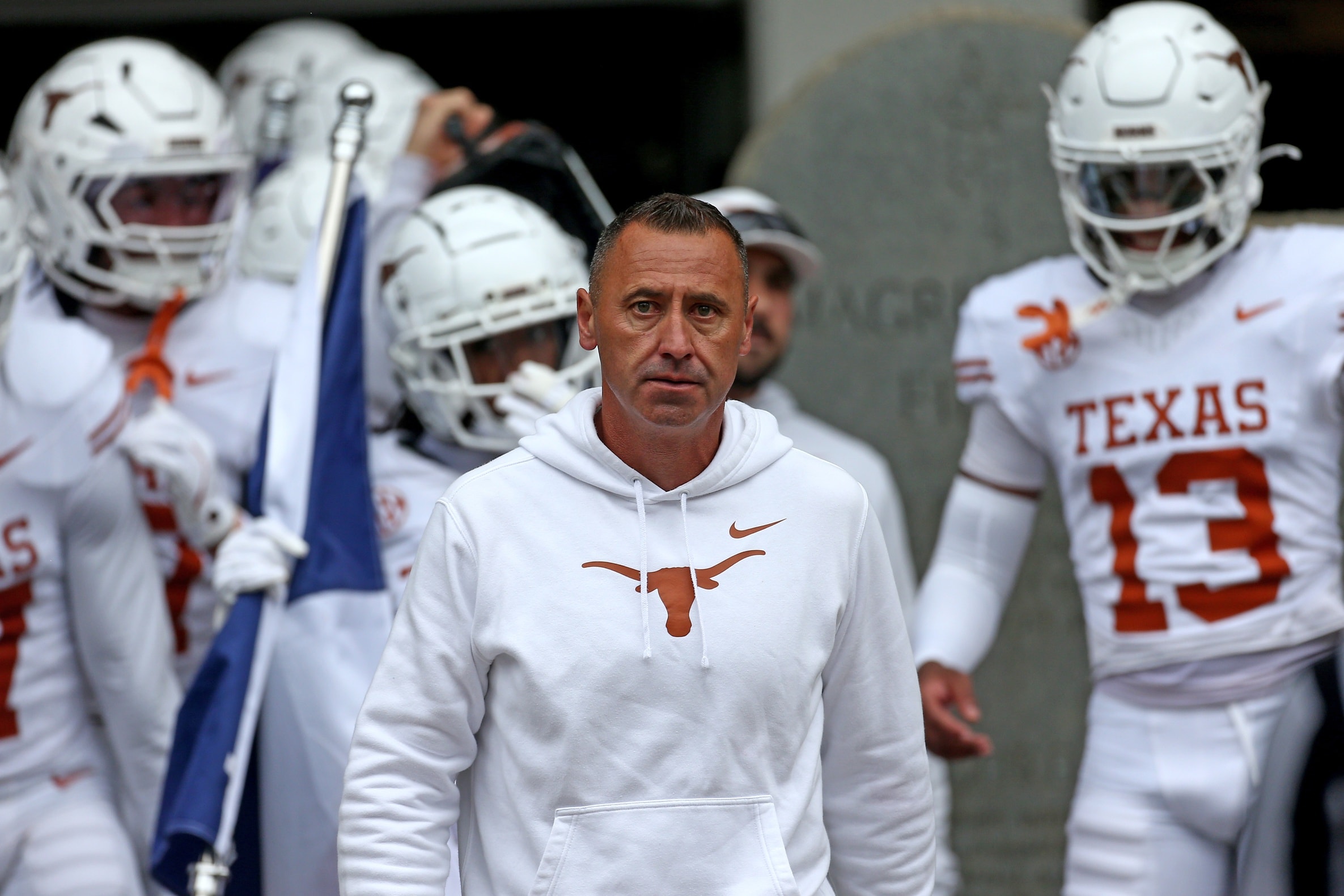
Steve Sarkisian entered the current college-football roster debate with a moral argument, not just a roster-management one. In remarks reported by Saturday Down South, the coach said it is “morally wrong” for teams to cut college players in order to add players coming out of the NFL pipeline, particularly when those additions could occupy scholarships or practice reps that would otherwise go to college players already in the program.
The core of the dispute is simple: college rosters are finite, and NFL-to-college opportunities can reshape depth charts quickly. When a team brings in a player with professional experience, coaches may face the uncomfortable choice of moving on from a player who was recruited, developed, and built into the day-to-day culture of the program. Sarkisian’s stance, as described in the report, pushes back on the idea that the solution is to penalize the college player for what is essentially roster competition driven by the NFL-to-college flow.
Sarkisian’s comments land in a broader environment where college football continues to manage eligibility, the transfer portal, and roster construction under tight scholarship and walk-on realities. The sport’s offseason is not just a recruiting season, it is a constant re-optimization of talent. Yet critics of roster churn argue that there should be more than pure math deciding who gets to remain, especially when a player has already earned opportunities through college performance and commitment.
From a football-operations standpoint, the “morally wrong” framing is also a messaging choice. Recruiting is built on relationships and clarity, and player retention depends on trust that coaches are weighing more than short-term roster advantage. A public line like Sarkisian’s indicates to existing players that the program’s hierarchy is not solely about upside additions, but also about how the program values contributions made before any NFL-to-college arrival.
It also speaks to the emotional side of depth-chart politics. College players are not interchangeable parts, even when roster math suggests they can be. Fans can see the transactions and cuts; players live the coaching, the learning curve, and the role changes. Sarkisian’s argument, as reported, is that those realities matter when deciding whether to make room for NFL-caliber talent.
For now, the comments are best read as an approach to roster stewardship rather than a policy change with immediate enforcement. There is no indication in the available report details that this will alter specific institutional rules, scholarship limits, or the day-to-day mechanics of how programs absorb newcomers. Still, his stance may influence how players interpret coach talk during a season when the portal and NFL connections keep raising the stakes on roster decisions.
What to watch next is whether Sarkisian’s philosophy shows up in the way Texas-like programs handle incoming NFL-to-college interest, particularly during roster-building windows when scholarship decisions carry the heaviest consequences. If teams increasingly adopt a “protect the college player first” posture, it could affect how willing coaches are to make cuts and how aggressively players look to preserve their opportunities early in the offseason. If not, the tension between fairness and roster urgency is likely to persist as the offseason reshuffles college football’s talent map.
Why It Matters
- Roster decisions shape competitive balance, but they also shape player trust and recruiting relationships.
- How coaches treat existing scholarship players during NFL-to-college arrivals could affect retention and locker-room stability.
- The comment adds fuel to a recurring question in college football, whether scholarship players should be prioritized over professional-caliber newcomers.
- Sarkisian’s stance may influence how quickly programs are willing to make cuts when professional experience becomes available.
Sources
Key Facts
- Steve Sarkisian said it is “morally wrong” to cut college players in order to add NFL players, according to remarks reported by Saturday Down South.
- The debate centers on roster-spot competition between players already in college programs and NFL-to-college newcomers.
- Sarkisian’s comments frame the issue as fairness to the existing college player base rather than only football need or upside.
- The remarks arrive as college programs continue to manage roster construction amid the transfer portal and the broader NFL pipeline.
- The available report emphasizes the moral framing, without presenting a league-wide rule change or a formal policy update.