
THE APEX TIMES
Strider MRI on Braves’ throwing elbow shows no ligament damage, expected to avoid surgery
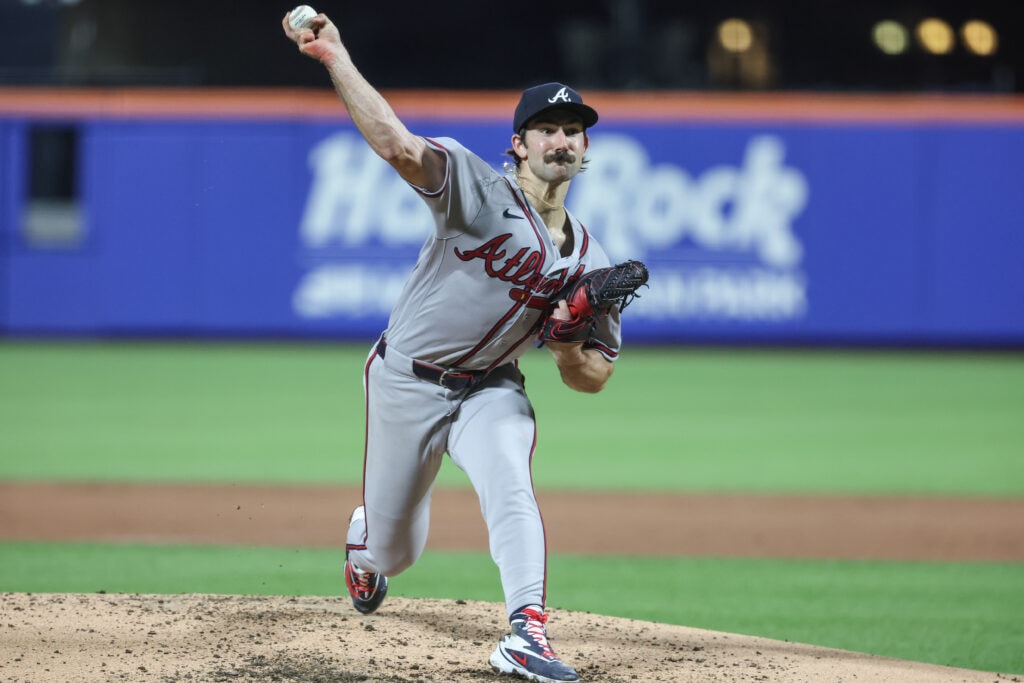
An MRI on Atlanta right-hander Spencer Strider’s injured throwing elbow did not reveal ligament damage, and the Braves do not expect him to need surgery, according to a report by MLB.com’s Mark Bowman.
Atlanta’s medical update on Spencer Strider offered the type of news every contending team wants to hear at midseason. After Strider was placed on the injured list over the weekend with elbow inflammation, he underwent an MRI of his throwing elbow. The results, as reported by ’s Mark Bowman, did not show any ligament damage, and the Braves do not expect the right-hander to need elbow surgery.
Strider is one of the Braves’ central pitching pieces, both in terms of performance and role. As a high-leverage starter, he anchors matchups across a full season arc, and the timing of an elbow issue matters because Atlanta’s rotation relies heavily on continuity once the schedule compresses into the heart of the summer. An MRI outcome that avoids ligament injury changes the risk picture, because ligament problems often carry more extensive recovery timelines and, in some cases, end careers.
For the Braves, the immediate takeaway is that the inflammation episode appears to be more manageable than originally feared. The report indicates that the imaging did not reveal ligament issues, which typically suggests the next steps are likely conservative compared with a surgical path. That distinction matters for two reasons: first, it can reduce the chance of a long-term shutdown, and second, it gives the team a clearer decision tree for what comes next in his throwing program.
Strider’s status will still require monitoring, and the Braves’ approach will likely focus on progression rather than shortcuts. Even with “no ligament damage” on an MRI, elbow inflammation is not automatically resolved on a timetable, and return-to-throwing decisions generally depend on how his elbow responds to increasing workloads. The team placed him on the injured list, so his absence remains in effect while Atlanta evaluates treatment and recovery on a daily and weekly basis.
This development also affects how Atlanta builds its pitching depth. When a frontline starter goes down, the rotation absorbs innings through other starters and, often, through the bullpen’s leverage plans. The Braves’ challenge now is to keep the staff stable through the period before Strider can resume a throwing progression, without forcing other arms into unfamiliar roles for too long. In a league where the margins in late-season series are thin, protecting bullpen availability can be as important as filling rotation spots.
The broader baseball context is that elbow inflammation and MRI findings can vary in how they translate into recovery outcomes. An MRI that rules out ligament damage is favorable, but it does not automatically guarantee a quick return. For Strider, the next key checkpoints will be his ability to ramp throwing intensity without setbacks, and whether Atlanta’s medical staff can move from rest and treatment into structured progression that a return requires. Until then, the Braves will keep handling his workload carefully.
Why It Matters
- Avoiding ligament damage is a significant medical threshold and changes the likely severity of the injury timeline.
- Strider’s absence forces the Braves to manage rotation innings and bullpen leverage more carefully while he recovers.
- The situation influences how Atlanta approaches the rest of the schedule, especially the stretch where pitching depth is most tested.
- The next performance and recovery milestones will determine whether Strider can return in time to strengthen the Braves’ playoff picture.
Key Facts
- Spencer Strider was placed on the injured list over the weekend due to elbow inflammation.
- Strider received an MRI on his throwing elbow to evaluate the injury.
- The MRI did not show any ligament damage, according to a report by ’s Mark Bowman.
- The Braves do not expect Strider to need elbow surgery based on the imaging results.
- Strider is a high-leverage starter role for the Braves, so the injury impacts Atlanta’s pitching planning.