
THE APEX TIMES
Tape Talk: Cowboys defense focuses on cutting back explosive plays
Dallas’ defensive unit, already showing up in the league’s top tier for explosive-play allowance through five games, is zeroing in on the film work needed to limit the big plays that swing games.
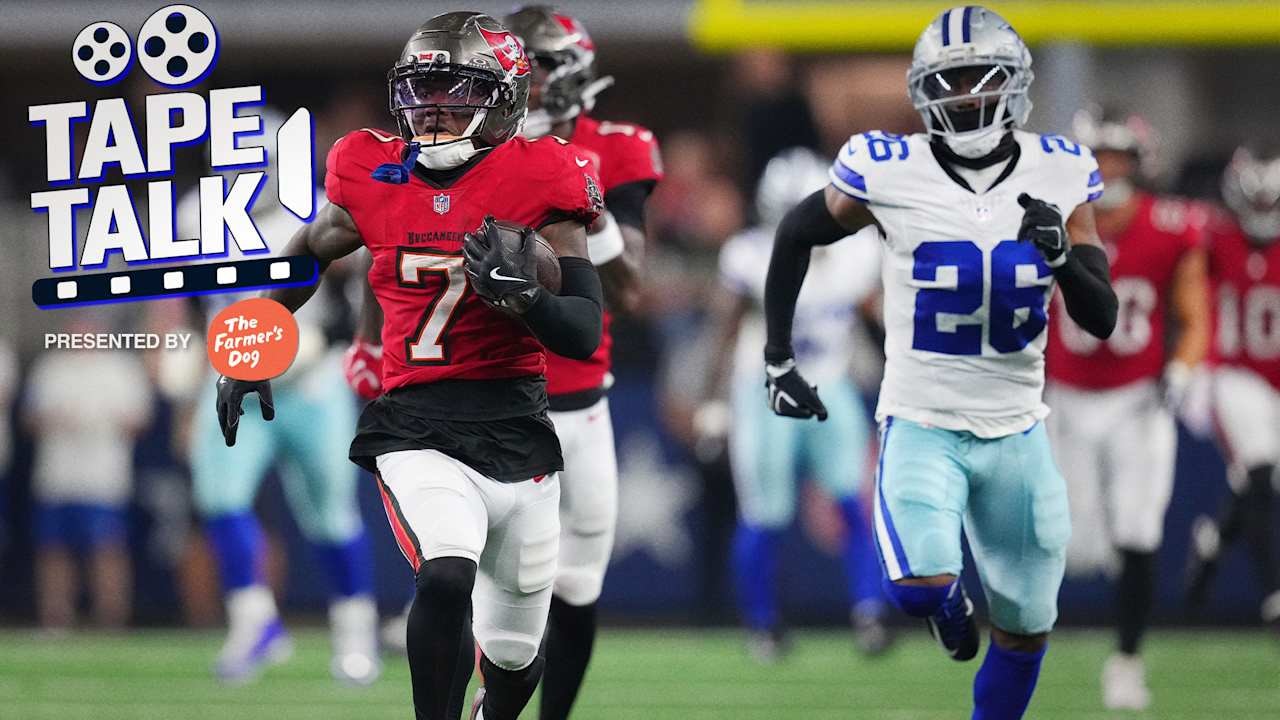
The Dallas Cowboys’ film room has a clear assignment this week: slow down the explosive plays. In the team’s Tape Talk, Dallas points to its early-season profile, noting that through five games it has allowed the fourth-most explosive plays in the NFL.
Explosive plays are a specific problem because they do not just move the ball downfield, they change the rhythm of an entire game. A single long run, a deep completion, or a busted coverage sequence can compress a defense’s margin for error, force shorter downs later, and quickly turn manageable drives into high-leverage situations. Dallas’ emphasis on explosive plays reflects that reality, even if the underlying issues can vary from opponent to opponent.
Tape Talk breaks the problem down into categories the defense can control. The guiding theme is that preventing explosives usually requires multiple clean tasks on the same play: winning at the point of attack, maintaining coverage integrity through route depth and timing, and tackling well enough to keep ballcarriers from reaching open space. Even when a defense gets initial pressure or shows disguise, explosive outcomes often begin with a small failure, such as an incorrect angle in pursuit or a missed leverage assignment.
Another part of the Cowboys’ focus is limiting the “big-play look” that offenses search for. That means the defense has to take away the most dangerous portion of an opponent’s route tree and run-game stress points, rather than simply reacting after the play develops. In practice, that involves how defenders support underneath once a play starts to stretch vertically, and how they connect their responsibilities so that one gap does not become a highway.
Dallas also has to account for how explosiveness compounds. Allowing an early big gain can lead to second-and-long or third-and-medium situations where the offense is more likely to run patterns that extend the field. Tape Talk’s approach suggests that Dallas wants to avoid playing “catch-up defense,” where the defense feels compelled to take chances to create stops, which can increase the chance of another explosive outcome if the timing is off.
From a season-management standpoint, early rankings like “fourth-most explosive plays allowed” matter because they are often a repeatable pattern, not a one-off. Teams that correct explosive-play prevention tend to improve everything around it, including third-down efficiency, drive length for opponents, and how often the defense is asked to defend in the deep red zone. Dallas’ stated emphasis on the film process indicates that the staff views these issues as correctable, not destiny.
What to watch next is whether Dallas can tighten the most common pathways to explosives from its opponents. If the Cowboys can keep chunk plays from appearing in back-to-back drives, their defense will have a better chance to control the tempo of games and preserve its overall effectiveness late. Tape Talk is, at its core, a blueprint for that improvement: reduce the big-play swings, and the rest of the defensive numbers typically follow.
Why It Matters
- Explosive plays often decide games by changing field position and down-and-distance before a defense can settle into its base rhythm.
- Cutting chunk plays can improve third-down outcomes and reduce the frequency of high-leverage passing and long-range run situations.
- If Dallas corrects the explosive-play pathways early, it can strengthen its overall defensive profile as the season moves toward deeper playoff contention.
Key Facts
- The Cowboys’ Tape Talk highlights that Dallas has allowed the fourth-most explosive plays in the NFL through five games.
- The team’s emphasis is on identifying what on-field elements lead to explosive outcomes.
- Explosive plays can shift game leverage by turning drives into longer, higher-risk sequences for the defense.
- The film breakdown centers on multiple controllable areas, including coverage integrity, pursuit angles, and tackling to stop plays before they reach open space.