
THE APEX TIMES
Taylor Ward returns to Angel Stadium as Orioles visitor, stepping into the clubhouse for the first time
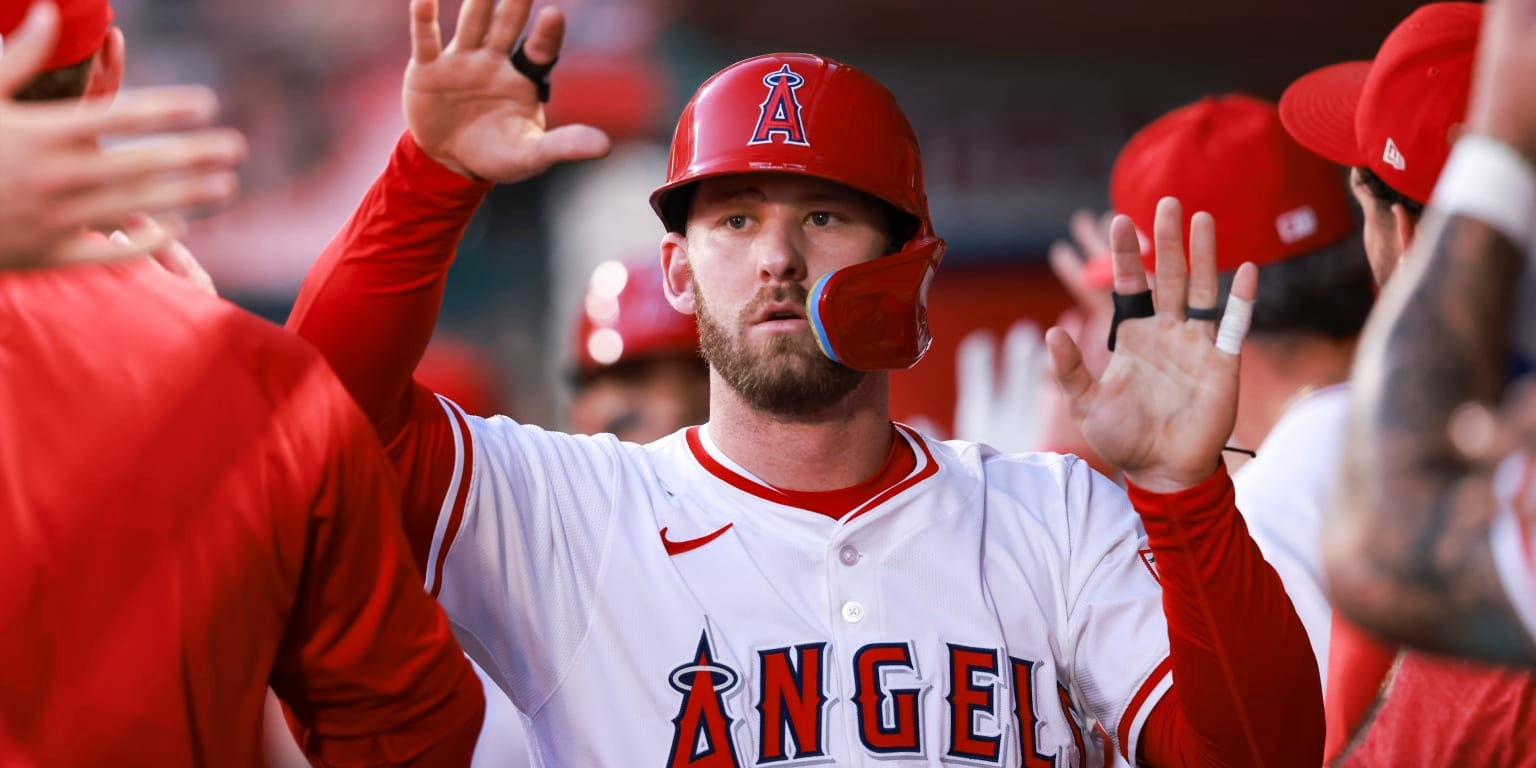
After hundreds of home games with the Angels, Taylor Ward will see Angel Stadium from the other side of the walls when the Orioles visit, marking a first-time experience for the veteran outfielder.
ANAHEIM, Calif. Taylor Ward has logged 348 games at Angel Stadium, but Monday will bring an unfamiliar routine. For the first time in his time there, Ward is entering the visiting clubhouse instead of his usual home space, a small logistical switch that carries a different emotional weight because of what he built in Anaheim.
Ward, now a member of the Baltimore Orioles, is returning to the ballpark that has been central to his major league career. The occasion is more than a change of scenery. It is the moment a player who once prepared for games in the Angels’ day-to-day environment has to reset his habits for an away series, knowing the same stadium, sightlines, and dugout proximity will be paired with a different uniform and a different game plan.
In the Orioles outfielder’s reflection on the trip back, the theme is continuity rather than rupture. Ward’s comments look back on what he called the “good times” ahead of his first game at Angel Stadium as a visitor, suggesting that familiarity with the place is not something he intends to block out. Instead, he is approaching it as a return to a setting that shaped his approach to playing regularly under the lights in Southern California.
The matchup context matters. Angel Stadium is not merely a venue on the schedule for Ward, it is a benchmark of accumulation, the kind that comes from staying in one home environment long enough to become part of the rhythms of an organization and its fan base. By the time a player has played nearly 350 games at the same park, the stadium becomes a reference point, a place where routine and memory overlap, even as roles change.
Ward’s first-foray into the visiting clubhouse highlights how professional baseball is built on repetition and on small differences that can feel outsized. A player can know the layout, the walkways, and the pregame flow, yet still experience a jolt when the starting point is different. It is also a reminder that transitions are not only about the field. They happen in the dugout doors, in the pregame conversations, and in where a player sets down his equipment before lining up for the anthem.
For the Orioles, the trip to Anaheim is another test of how their lineup handles a park with its own character, and how they establish comfort early in a series. Ward’s return adds an interpersonal layer to that challenge, because his knowledge of the home environment could help him read pitchers and defensive tendencies, while the Angels will be attentive to how a former mainstay reacts when he steps onto familiar turf.
What to watch next is how Ward’s early at-bats and overall timing match his first taste of an away preparation at Angel Stadium. The storyline is built on perspective: one of the league’s experienced hitters revisiting the place where he accumulated the bulk of his games there, now approaching it as a visitor, with the Orioles in charge of the day.
Why It Matters
- Ward’s return storyline adds emotional context to an Orioles road game at a familiar venue.
- The clubhouse switch underscores how pregame routines can shift for players when they change organizations.
- It provides a contrast between Ward’s established comfort in Anaheim and his new role with Baltimore.
- How Ward performs early can set the tone for how quickly the Orioles’ offense settles into Angel Stadium’s day-to-day feel.
Sources
Key Facts
- Taylor Ward has played 348 games at Angel Stadium prior to Monday’s trip.
- Monday marks Ward’s first time entering the visiting clubhouse at Angel Stadium.
- Ward is returning to Angel Stadium as a Baltimore Orioles player.
- The appearance is framed as a chance to recall “good times” ahead of his first game as a visitor at the park.