
THE APEX TIMES
Ten Years Later, Washington’s First College Football Playoff Appearance Still Marks a Turning Point
A decade after the Huskies emerged as one of the four-team contenders, the 2016 Washington program under coach Chris Petersen stands as the blueprint for how quickly sustained recruiting and development can translate into national relevance.
Ten years ago, the Washington football program went from being a strong Pac-12 contender to something rarer in its history, a team selected for the College Football Playoff and positioned as one of the nation’s four finalists. The decision, which came ahead of the 2016 postseason, effectively rewrote how expectations could be framed around the Huskies, not just for a year but for an era. In that sense, the moment is less about nostalgia and more about what it revealed: Washington’s offense, defense, and roster-building had matured to the point where the sport’s new top tier would include it.
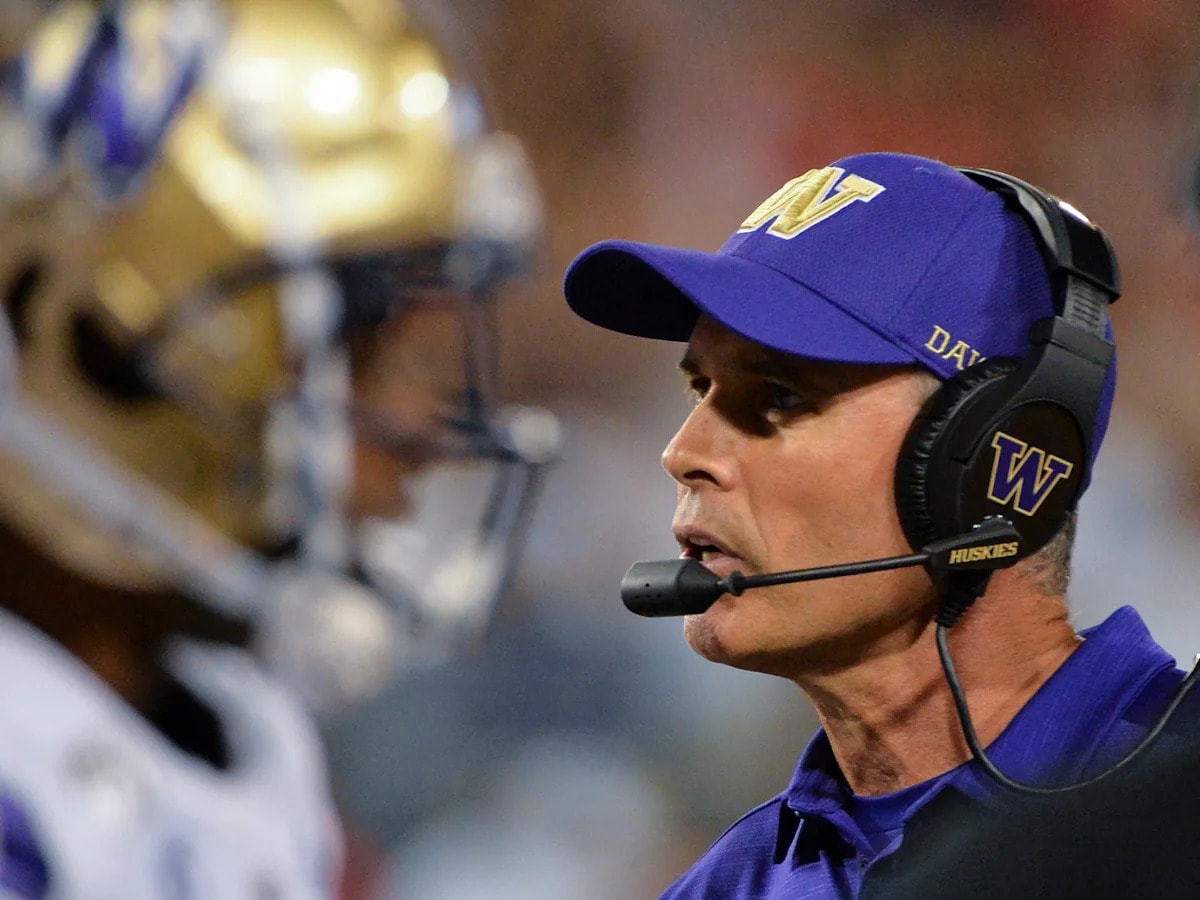
The backdrop for that leap mattered. The year referenced in the profile was entering under coach Chris Petersen, a program-builder whose influence extended beyond game plans into how Washington recruited and developed players over multiple cycles. The premise of Petersen’s Washington, as it is often described, was that disciplined scheming and an identity built on fundamentals could hold up against elite competition. In 2016, that approach met the moment, and Washington was named among the four teams vying for the national championship through the CFP format.
The larger college football context helps explain why the selection felt so consequential. The College Football Playoff was already positioned as the sport’s most unforgiving measuring stick, built to reward teams that could win their conference and still pass the national eye test. For a school that had previously spent long stretches chasing access to the sport’s biggest stage, a first CFP appearance changes recruiting conversations, national perception, and the kind of players who start to see Washington as a realistic path to the playoff spotlight.
To understand the significance of “first” in this situation, it helps to separate postseason access from one-off success. Washington did not reach the CFP as an accident of scheduling or short-term form in the way fans sometimes describe surprise runs. The move toward the playoff had to be earned through a full season of execution, the kind of consistency that tends to come from stable coaching, repeatable preparation, and a roster that has been refined for years rather than weeks.
The 2016 Huskies also became a reference point for what “being in the conversation” can do to a program’s internal standards. Once a team reaches the CFP, it changes how staff members evaluate their own season, because simply making the playoff becomes a baseline expectation instead of a peak. That shift can help explain why Washington’s football identity from that era is frequently cited as an example of how to build credibility with recruits and transfer targets, even as the rest of the national landscape keeps accelerating.
Still, it is important to keep perspective on what a single CFP appearance can and cannot determine. A playoff berth is not the same thing as sustained championship results, and the college game moves quickly, with coaching changes, roster churn, and conference-wide competitive cycles. The lesson of a decade later is not that Washington “arrived and stayed forever,” but that it demonstrated it could get there, and that the Petersen-era process was capable of producing national outcomes when the sport’s structure demanded it.
Looking ahead, the most compelling reason to revisit the 2016 CFP moment is that it provides a framework for evaluating Washington’s current development curve. Whether Washington can recreate the conditions that led to that first CFP appearance will depend on the same fundamentals that produced the turnaround a decade ago: recruiting at the right levels, player development, and a consistent ability to play the style of football the playoff rewards. The ten-year anniversary does not change the past results, but it does sharpen the question for the next era.
For now, the takeaway from the retrospective is straightforward. Ten years removed from its first CFP selection, Washington’s 2016 team under Chris Petersen remains an inflection point, an example of how quickly the right program infrastructure can shift a school into college football’s national spotlight. In a sport where perceptions can harden fast, that kind of access becomes part of the program’s brand, long after the final horn sounds.
Why It Matters
- A first CFP appearance changes program expectations, both internally and in recruiting conversations.
- It provides a benchmark for how quickly coaching stability and player development can translate into elite postseason access.
- The 2016 moment illustrates how the modern playoff format can reward programs that are built for consistency, not just peaks.
- Revisiting the milestone offers a lens for assessing whether Washington can reproduce the same pathway in later seasons.
Key Facts
- Washington is remembered for its first College Football Playoff appearance a decade ago, following the 2016 season.
- The retrospective places the achievement in the context of the program’s transformation under coach Chris Petersen.
- The College Football Playoff is a four-team selection that determines the national championship participants.
- Washington’s leap into the CFP is framed as a marker of national credibility rather than a temporary run.