
THE APEX TIMES
Terrence Brown commitment reshapes North Carolina’s transfer-room priorities for the Michael Malone era
With Michael Malone taking over as head coach, North Carolina’s 2026-27 roster is expected to look meaningfully different. Terrence Brown’s commitment stands out because it adds a key portal piece to a program rebuilding quickly around Malone’s style.
North Carolina’s offseason has already indicated a break from the recent past, and Terrence Brown’s commitment has become a focal point in Chapel Hill’s next roster plan. Brown is part of the kind of transfer-picture work Malone will need to deliver early, because the Tar Heels are not just reloading. They are reshaping, after a busy period in which multiple established players departed through the portal.
Busting Brackets framed the broader context this way: the “Michael Malone era” is arriving with roster turnover, and the immediate question is whether new additions can stabilize the team’s identity quickly enough to compete as a national title threat. In that setting, the reason Brown matters most is not only what he brings on the court, but what his presence allows UNC to do in the rest of its rebuild.
The roster picture UNC is working from is already complicated. Busting Brackets pointed to several major names being gone for 2026-27, including Caleb Wilson, Henri Veesaar and Seth Trimble, along with “a few other names” leaving through the portal. That kind of turnover forces a coach to build cohesion quickly, and it also increases the value of players who can fit into a new offensive and defensive framework without needing an extended acclimation period.
UNC’s coaching change also raises the stakes of the transfer window decisions. Malone inherits a program with the expectations that come with being a “Blue Blood,” but the work ahead is inherently harder than a simple plug-and-play exercise. Busting Brackets emphasized that Malone will have to translate roster acquisitions into consistent performance against ACC opponents, not just offseason optimism.
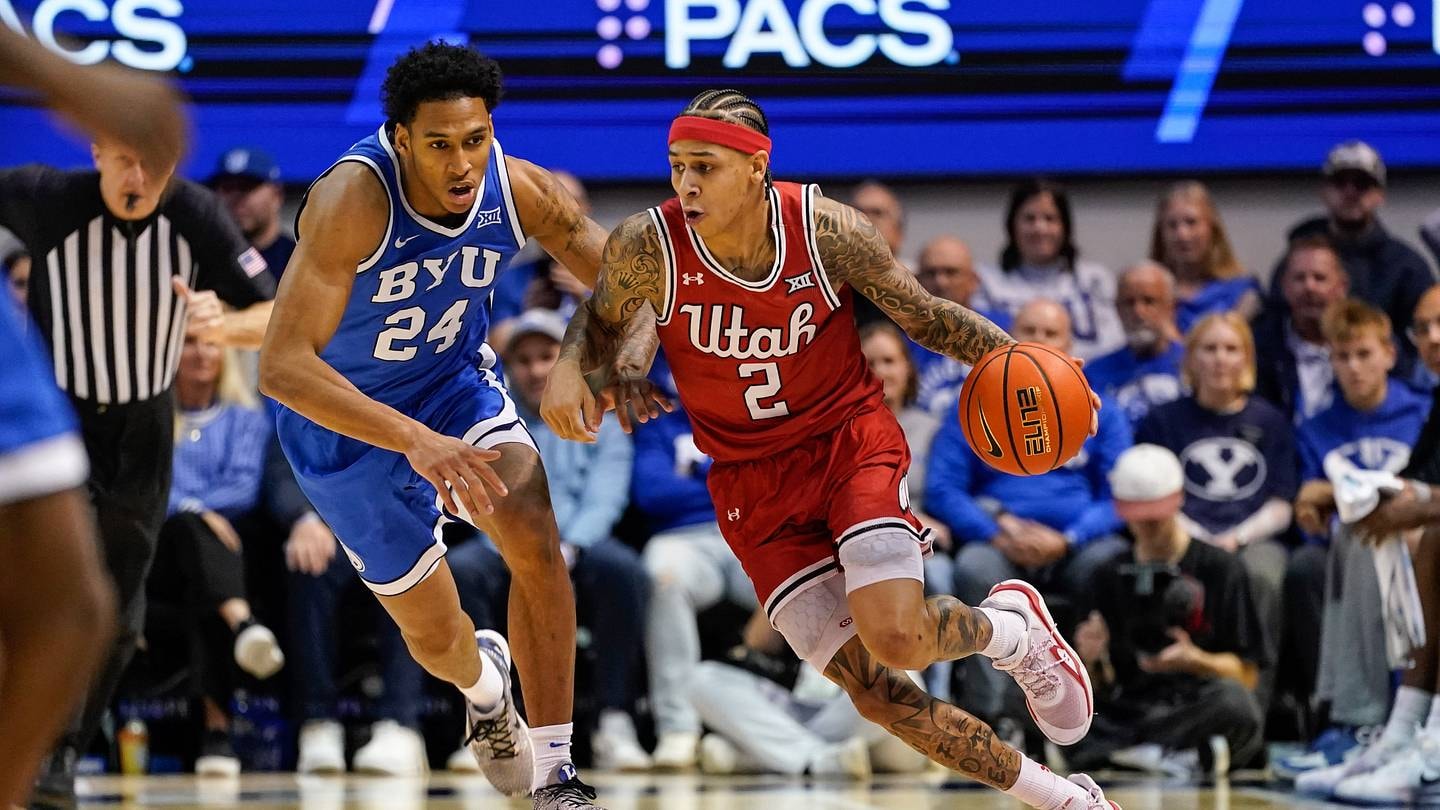
Brown’s commitment came through the transfer market narrative that played out around April 21, when On3 reported that the Utah transfer guard was committing to North Carolina, with coverage noting that it also removed another Kentucky target from the board. Brown’s value in the eyes of UNC is likely tied to the practical need for usable guard play in a year where the rest of the rotation could look unfamiliar to fans and even to teammates who are only now learning Malone’s system.
One reason transfer additions can matter this much in the first year is that they affect more than the starting lineup. Depth and rotation options define whether a team can sustain tempo, cover matchups, and close games under pressure. In that sense, Brown is being treated as more than a single-piece upgrade, according to the way Busting Brackets positioned him as the most important transfer in UNC’s inbound group for 2026-27.
Still, the limits of what can be responsibly stated from the available reporting are real. While the commitment is clear in the On3 report and the broader roster-turnover theme is consistent across coverage, the public material here does not provide a complete statistical profile for Brown at this stage of the offseason, nor does it confirm specific role projections, minutes, or tactical assignments under Malone. What to watch next is whether UNC’s subsequent portal moves and incoming freshmen work in tandem with Brown’s skill set to create a coherent guard rotation early in the schedule.
Why It Matters
- Brown’s commitment is a meaningful early anchor for UNC’s 2026-27 roster rebuild under a new head coach.
- With multiple departures already identified, adding a guard transfer can help determine how quickly UNC’s offense and half-court organization stabilize.
- In an ACC season where continuity can separate contenders from the pack, transfer-driven cohesion may influence UNC’s competitiveness soon rather than later.
- UNC’s broader portal strategy, and how future additions complement Brown, will shape the team’s ceiling for the first Malone year.
Sources
Key Facts
- Busting Brackets argues that Terrence Brown is North Carolina’s most important team transfer for 2026-27 as UNC enters the Michael Malone coaching era.
- On3 reported that Terrence Brown committed to North Carolina, identifying him as a Utah transfer guard.
- Coverage cited major UNC roster departures through the portal, including Caleb Wilson, Henri Veesaar, and Seth Trimble.
- Busting Brackets described the core challenge for Malone as building national success quickly at a Blue Blood program despite the roster turnover.
- The reported value of Brown is tied to how a transfer addition can stabilize guard play and rotation structure during a rebuilding year.