
THE APEX TIMES
Texans’ DeMeco Ryans confirms trade for Cardinals receiver Marvin Harrison Jr. as Arizona looks at offense, Lions aftermath
In the wake of Houston’s attention turning to receiver help, Arizona’s own team context centered on how lineup and tactical changes ripple through an offense facing the Detroit Lions.
The Arizona Cardinals’ official game-week recap framed a key offseason-style storyline that arrived with immediate urgency: Houston Texans coach DeMeco Ryans, speaking with the media just as Arizona’s Sunday action began against Detroit, acknowledged on his third question that his team was indeed trading for Cardinals wide receiver Marvin Harrison Jr. The confirmation landed with the kind of timing that turns roster news into an in-season storyline, even before the wider football world can fully map out how the receiving room will be reshaped on both sides.
The Cardinals’ article title points to two related themes, receiver changes and “finding the offense,” while also acknowledging the “Lions aftermath.” Put together, the framing suggests Arizona was both processing what the Detroit matchup exposed and managing the ongoing reality that roster-building decisions are rarely isolated from game planning. Even when player movement is discussed publicly, teams still have to coach the current week and teach an offense to produce on a specific snap-by-snap schedule.
In that context, Ryans’ confirmation mattered beyond simple acknowledgment. For Houston, a trade for a high-end receiver changes how an offense can attack defenses, especially when the coaching staff is trying to establish timing, routes, and throws at full speed rather than treating the passing game as an experiment. For Arizona, the message was equally clear: receiver changes are not only about personnel, they are about identity, matchups, and the routes a quarterback can trust when pressure arrives.
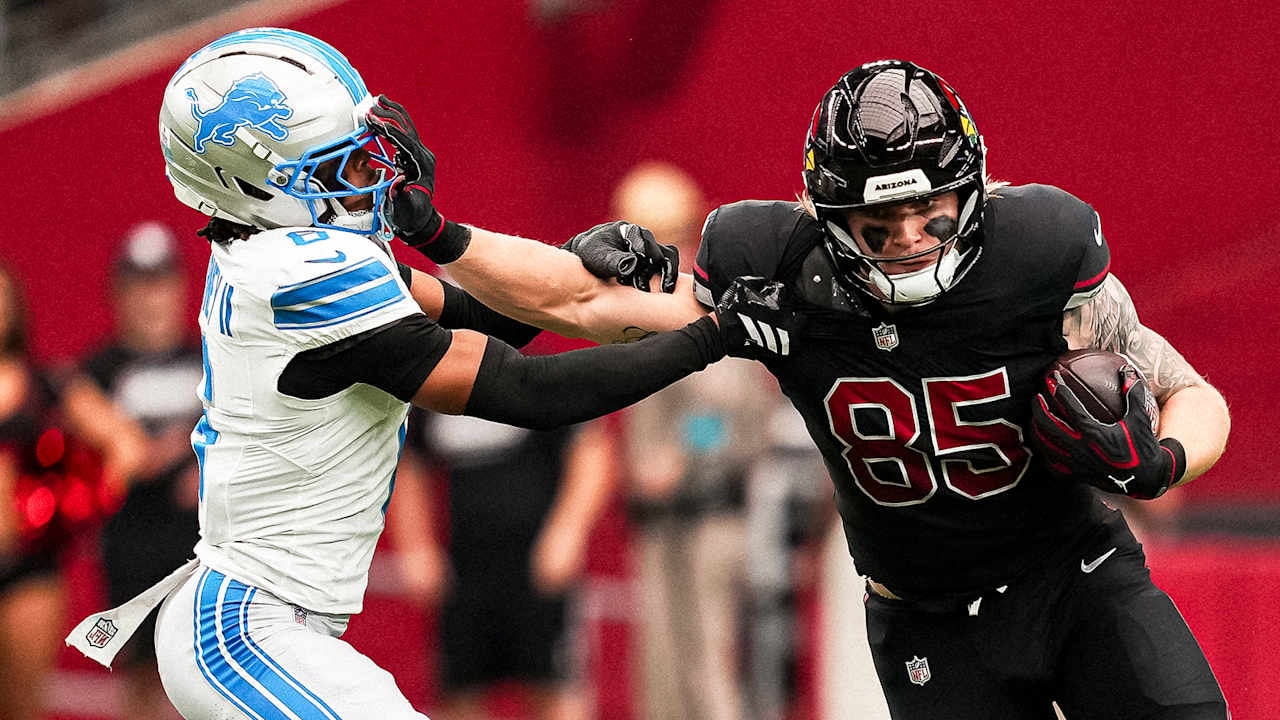
The Cardinals’ recap also tied the receiver conversation to on-field consequences, naming Detroit in the same breath as Arizona’s tactical and execution goals. While the public excerpt does not include specific play outcomes, the “Lions aftermath” language indicates Arizona was evaluating what worked, what did not, and how quickly adjustments must be made when an opponent’s style forces different coverage looks.
Marvin Harrison Jr., as a central figure in the trade confirmation, becomes the obvious roster anchor for how this deal might be interpreted. A receiver of his stature is typically expected to influence third-down conversion plans, red-zone route combinations, and downfield targeting decisions. For Houston, the immediate question becomes how the offense integrates his skill set into the existing passing structure. For Arizona, the question shifts to how the team plans to distribute targets and create separation without the same matchup threat.
As of now, the official Cardinals page excerpt provides confirmation of the trade’s existence through Ryans’ media comments, but it does not spell out compensation details, timeline mechanics, or any additional roster moves. That means the next watch item is what Houston and Arizona officially communicate about the transaction’s terms and how quickly the receiving changes are expected to affect team strategy.
For fans, the storyline to follow is straightforward: whether Houston can translate a receiver upgrade into consistent offensive rhythm, and whether Arizona can compensate in the short term with scheme and personnel sequencing while the “Lions aftermath” evaluation continues. In games that demand efficient passing under pressure, these are the moments when receiver changes become more than headlines.
Why It Matters
- Receiver upgrades can quickly alter downfield planning and third-down structure, not just highlight reels, and this trade confirmation places that change front and center.
- For Houston, integrating a proven receiver affects route timing and coverage manipulation, which can reshape how the team attacks opponents immediately.
- For Arizona, receiver changes force a recalibration of target distribution and offensive emphasis while also evaluating what the Lions matchup revealed.
- Because the confirmation arrived during an active week, it adds urgency to how both teams handle tactical adjustments and game-to-game continuity.
Sources
Key Facts
- Arizona’s official team recap said Houston Texans coach DeMeco Ryans acknowledged, on his third media question, that the team was trading for Cardinals wide receiver Marvin Harrison Jr.
- The confirmation was described as occurring just as Arizona got started Sunday against the Detroit Lions.
- Arizona’s recap grouped the receiver news with themes of offense adjustments and the matchup context against Detroit.
- Marvin Harrison Jr. is presented as the focal receiver in the trade confirmation involving Houston and Arizona.