
THE APEX TIMES
Texans’ Nick Caserio on C.J. Stroud extension talks: productive, but not rushed before the season
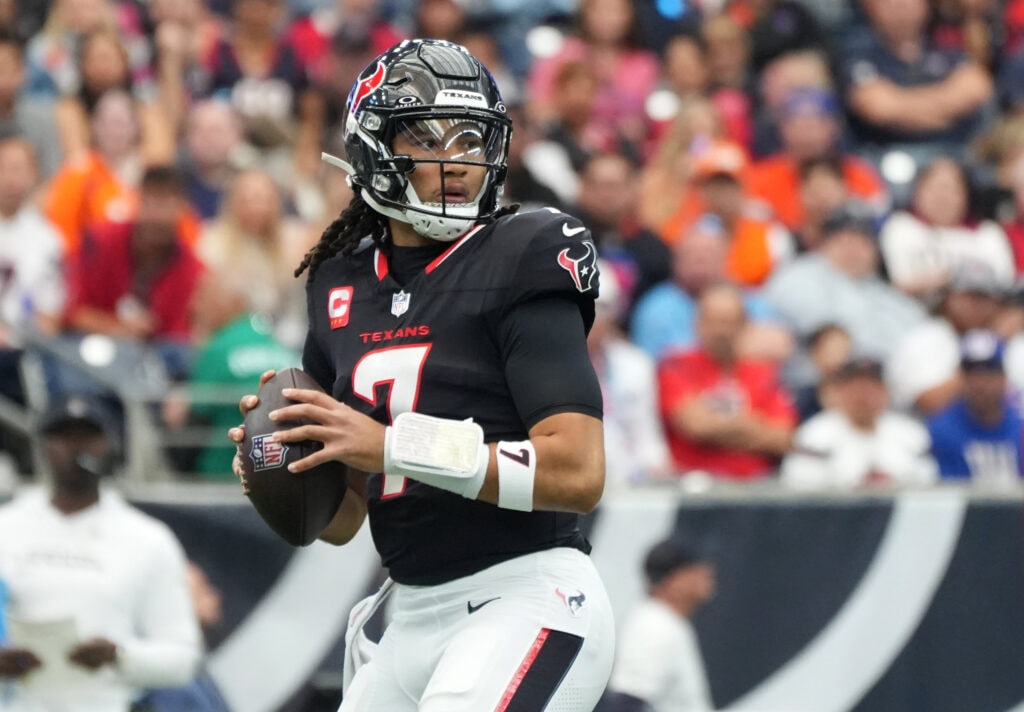
Houston has held “productive talks” with quarterback C.J. Stroud’s camp regarding an extension, but general manager Nick Caserio indicated there is no urgency if a deal is not completed before the season begins.
The Houston Texans are working through contract-extension discussions with starting quarterback C.J. Stroud, but the organization’s stance remains measured, according to comments shared to reporters by general manager Nick Caserio. In an update reported Tuesday by Aaron Wilson of KPRC2 and summarized by Pro Football Rumors, Caserio’s message was that while discussions have been productive, the team is prepared to wait if an agreement is not reached before the start of the season.
C.J. Stroud enters the Texans’ extension dialogue with the weight of early expectations. Pro Football Rumors frames Houston’s hesitation through the lens of how Stroud’s output has not matched the peak of his Offensive Rookie of the Year season over the past two years. That context helps explain why the Texans, despite their clear commitment to him as the starting quarterback, have not appeared eager to close a deal quickly.
Caserio’s timing focus is the key detail. The reported explanation is that if an extension is not “done before the start of the season,” it becomes a priority for the next offseason. In practical terms, it suggests the Texans view an agreement as important, but not at the expense of making concessions on timing, structure, or negotiation leverage.
From a roster-management standpoint, an extension for the quarterback is one of the most consequential financial and strategic transactions a team can make. It impacts salary-cap planning, the allocation of resources to positions around the franchise passer, and the flexibility of the front office at both the upcoming free-agent window and future trade-deadline conversations. By keeping the door open to a next-offseason resolution, Houston is indicating it prefers to control the timetable rather than react to it.
The Texans’ stance also reflects how NFL contract negotiations can shift once the season begins. Even when talks are active, teams often resist closing deals immediately if they can keep negotiations from becoming overly compressed. Waiting can create additional information for both sides, whether that is performance indicators on the field or the internal sense of what range a deal should occupy.
For Stroud, the situation functions as a reminder that quarterback-market decisions do not always move in a straight line from early-career expectations to immediate contract certainty. For Houston, it keeps the team aligned to its stated plan for quarterback stability while preserving the front office’s leverage if discussions do not produce a finished contract by the season-opening clock.
What to watch next is whether the “productive talks” remain quietly in motion and then resolve during the season calendar, or whether Houston allows the discussions to roll into the offseason. Either outcome would shape the Texans’ planning priorities, especially as they look toward long-term team-building around Stroud and the surrounding roster.
If the extension is delayed, the immediate season context becomes even more central. A quarterback extension can stabilize contract planning, but the Texans’ on-field priorities will still revolve around execution, decision-making, and the quarterback’s performance week to week. In that sense, the extension timeline is only one part of the story, though it is a significant one for Houston’s long-term identity.
Why It Matters
- Quarterback extensions are among the biggest roster-management decisions a team makes, shaping salary-cap planning and resource allocation across the roster.
- A delay until the next offseason would suggest the Texans are prioritizing negotiation leverage and structure over immediate contractual certainty.
- Stroud’s trajectory after his rookie peak adds pressure to define what “top-tier” compensation should reflect in Houston’s view.
- The Texans’ approach can affect how the team plans around building the supporting cast while managing cap constraints during the season.
Key Facts
- Pro Football Rumors reported that Texans general manager Nick Caserio updated reporters on the club’s efforts to extend quarterback C.J. Stroud.
- The report says Caserio characterized the talks as “productive.”
- The reported stance is that if a deal is not completed before the season begins, it becomes a priority for the next offseason.
- The extension discussion is framed against the idea that Stroud’s play has not matched the level of his Offensive Rookie of the Year season over the past two years.
- The information is attributed to comments reported by Aaron Wilson of KPRC2.